Will County’s Problem-Solving Courts Celebrate Milestone: A Journey of Transformation
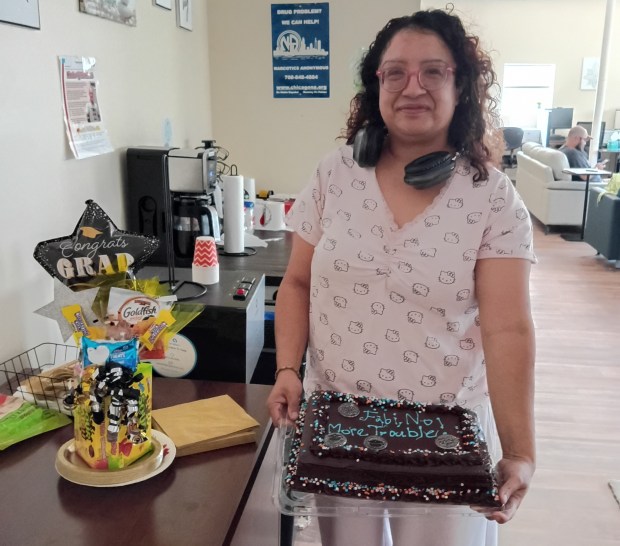
Will County is marking a significant milestone with the graduation of 1,000 individuals from its problem-solving courts. Leaders of the program highlight its success in reducing recidivism while offering graduates sobriety and renewed opportunities.
It’s transformational,
said Scott DuBois, coordinator of the problem-solving courts. DuBois has witnessed profound changes as individuals transition to healthier lives, building stable relationships and newfound self-belief.
Impact on the Community:
The positive effects extend beyond the graduates themselves. DuBois notes the ripple effect
as participants re-engage with family and community, living in recovery and redefining their lives.
Initiated by Will County State’s Attorney Jim Glasgow, the program started with a $30,000 federal grant to explore drug use and criminal behavior. Established in 2000, with significant funding growth, it now encompasses a drug court, mental health court, veterans court, and the Redeploy Illinois program, all aimed at fostering community reintegration and addiction treatment.
Participant Experience:
Fabiola Findlay, a member of the 2026 class, emphasizes the personalized support available in the courts. Findlay credits the program’s encouragement to trust the process, which led to her sobriety and a role as a recovery group leader.
Peer support plays a crucial role, Findlay shares her struggles with addiction, inspiring others with hope and the possibility of sustained recovery. Her success underscores the strength of supportive, shared experiences.
Findlay’s journey through the courts has fostered self-acceptance and accountability, transforming self-worth and life perspective. I value my life. My self-esteem has improved. I can honestly say I love myself,
she stated.
Prospective participants apply for the program when entering the judicial system, requiring case assessment and judicial approval for nonviolent offenses. DuBois describes the intensive structure of the court, which includes regular meetings with case managers and judges through five progressive phases.
Graduates like Magdalena Campos emphasize connection over isolation in combating addiction. Campos leads an alumni support group, advocating for peer outreach as a means to maintain long-term recovery.
Campos, approaching four years of sobriety, shares the program’s life-saving impact. Now a certified national peer recovery support specialist, she organizes events to foster community and support among alumni.
Program Efficacy:
With a graduation rate of around 80%, the problem-solving courts have substantially impacted recidivism rates, noted by DuBois. The difference in repeat offense rates—14% versus 75%—highlights the courts’ value.
DuBois compares the annual cost of the program, approximately $3,000 per person, to the cost of incarceration, at $52,000 annually, showcasing economic efficiency in rehabilitation.
Glasgow asserts the courts’ role in transforming individuals into productive citizens rather than inmates. Glasgow commends judges and counselors for their pivotal work and the alumni group for maintaining graduate success.
Glasgow shares an anecdote about a participant whose heroic actions demonstrated the potential and positive societal contributions of court graduates.
Michelle Mullins is a freelance reporter for the Daily Southtown.