Optimism Surrounds Iran War Truce, But Energy Challenges Persist
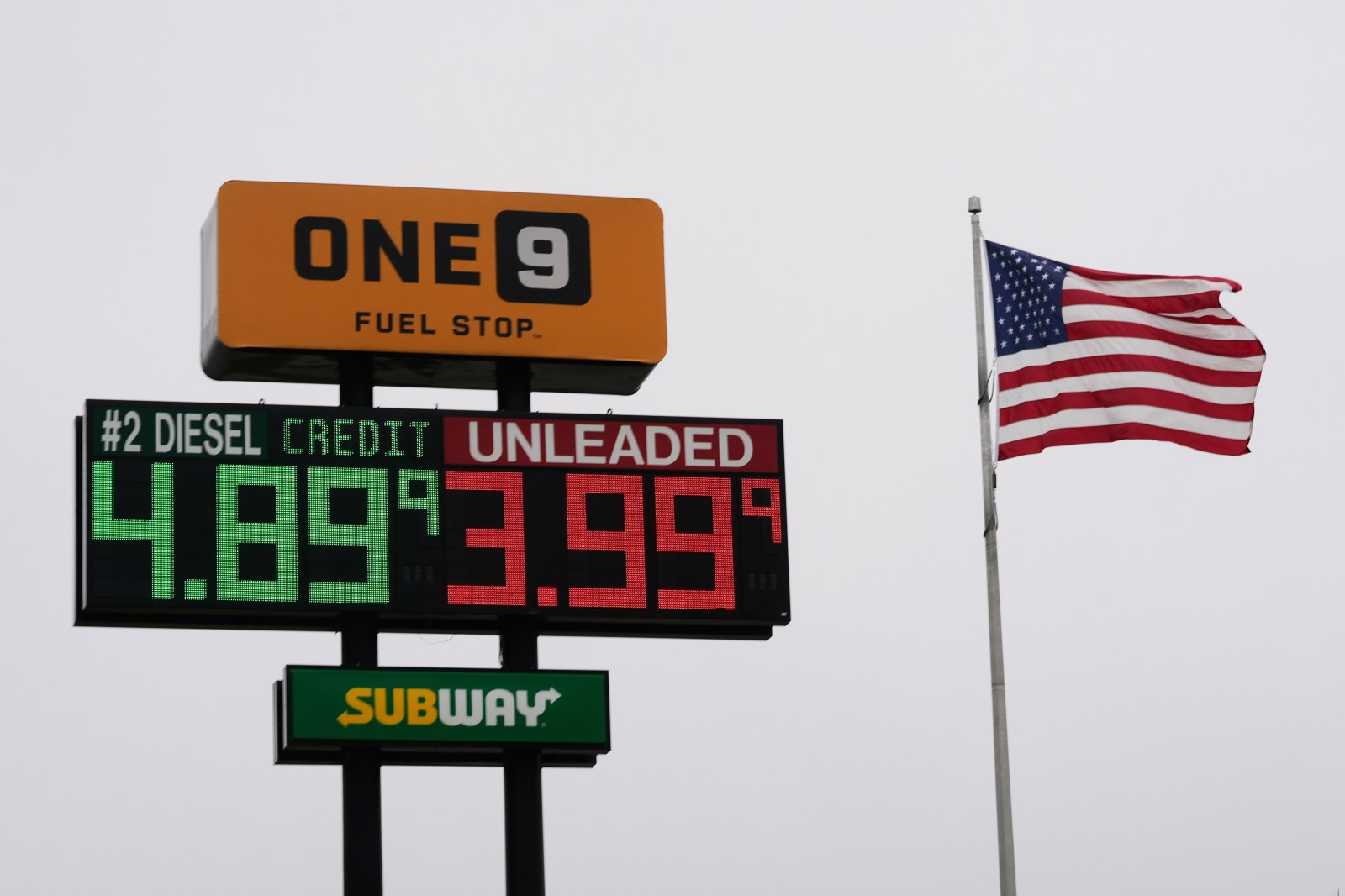
A potential end to the Iran war brings hope to global energy markets and world leaders. Yet, analysts caution that oil flows may take months to return to normal and gas prices may not quickly revert to preconflict levels.
Washington and Tehran announced a truce following over three months of conflict. This war devastated Iranian infrastructure, damaged regional energy facilities, and blocked the Strait of Hormuz. The International Energy Agency (IEA) described the situation as the worst energy crisis in history.
Both nations praised the agreement, with Pakistan mediating the negotiations. An official signing ceremony is set for June 19 in Switzerland. President Donald Trump expressed optimism, saying the Strait of Hormuz would reopen and energy flows normalize. “Ships of the World, start your engines,” he encouraged.
Current Status of the Strait of Hormuz
Ships are not yet passing freely through the Strait. Around 20% of global oil typically flows through this crucial passage. President Trump stated the passage would reopen without tolls following the deal’s signing, which aims for mine removal.
Iran’s Deputy Foreign Minister Kazem Gharibabadi announced the U.S. naval blockade would end due to the agreement.
Despite this, doubts arise about the deal’s durability. Previous negotiations faced ceasefire violations, and Trump’s announcements of imminent war-end differ from outcomes. Robert Pape, a political scientist, termed the agreement a “Memorandum of Disagreement” due to unresolved issues like frozen Iranian assets and attacks on Lebanon.
Jorge León of Rystad Energy highlighted uncertainties concerning Iran’s leverage and the Strait’s security risks. He noted the importance of the U.S.-Iran agreement conditions.
Impact on Gas Prices
Oil markets reacted to the truce news, with West Texas Intermediate crude dropping below $80 per barrel. Daniela Hathorn from Capital.com noted oil prices fell sharply as expectations rose for the Strait remaining open.
President Trump emphasized that prices would fall swiftly post-conflict. However, analysts expect weeks or months for noticeable relief at gas stations. This outlook considers the geopolitical situation and damaged infrastructure, impacting supply dynamics.
Carole Nakhle from Crystol Energy shared that if disruptions were mostly related to shipping rather than infrastructure, flows might normalize sooner. The perceived new risk environment could delay this process.
The U.S. Energy Information Administration (EIA) forecasts a gradual fuel cost decline if the peace deal leads to the Strait reopening. Assuming closure lifts by the third quarter of 2026, preconflict traffic might take several months to resume fully, with potential disruptions persisting mid-to-long term.
Challenges for Energy Flow and Prices
Further obstacles remain, such as mine removal from the Strait and regaining shipowner confidence. There is also a logistical backlog. León predicted oil flow normalization could extend to year-end, contingent on the ceasefire’s success.
While U.S. gasoline prices might ease as oil prices drop, returning to prewar levels will likely be gradual. León stated that reducing the security risk premium is a lengthy process, potentially exceeding six months.