U.S. Strategic Petroleum Reserve Reaches Lowest Levels Since 1983 Amid Oil Market Challenges
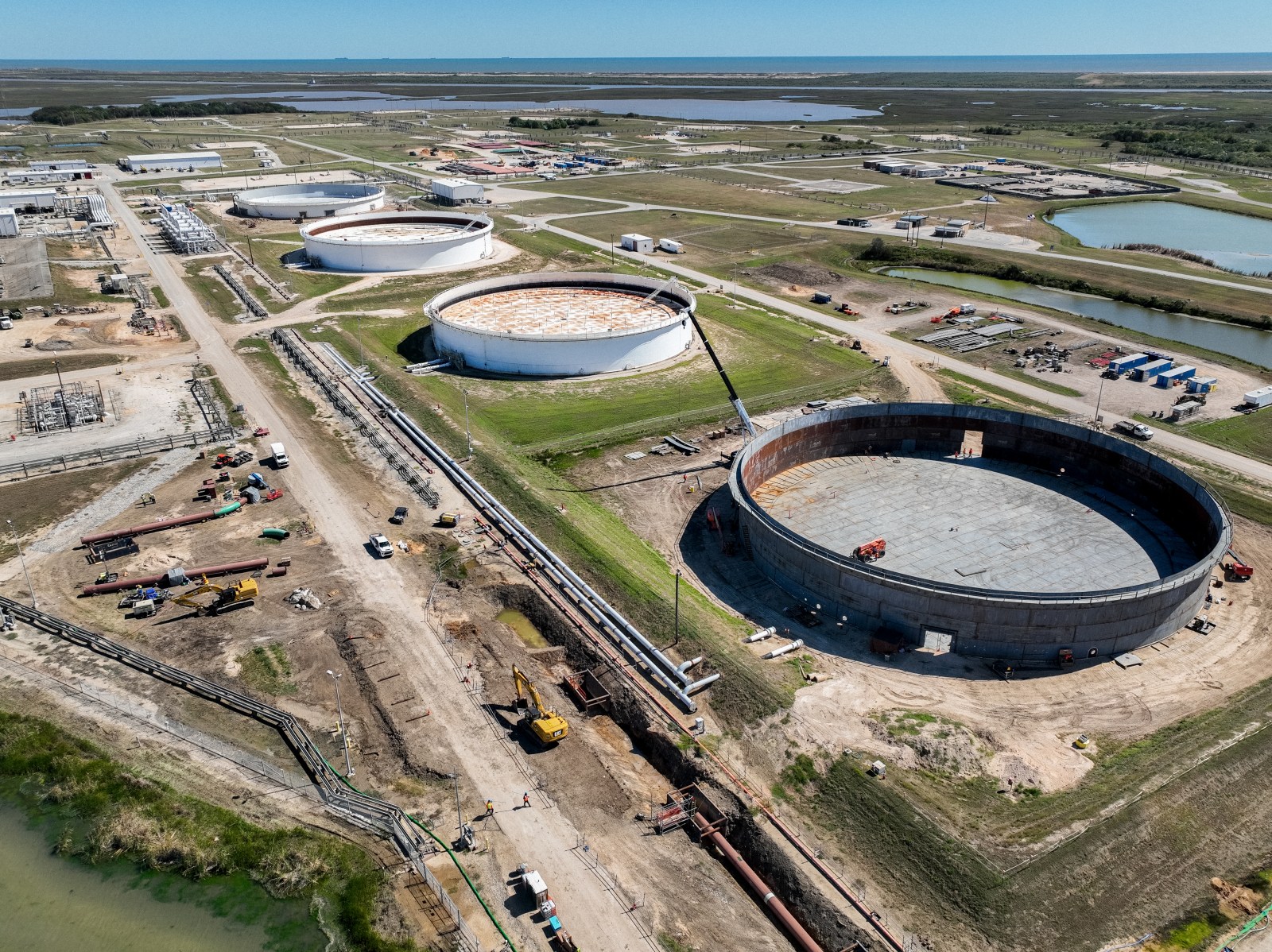
The U.S. Strategic Petroleum Reserve (SPR) has fallen to 340.3 million barrels, marking the lowest level since 1983. The Department of Energy data underscores tightening supplies as the U.S. and Iran work toward resolving months of conflict. The emergency stockpile experienced an 8.9 million barrel reduction in the latest week, representing one of the sharpest declines on record. This reduction is part of a plan to release 172 million barrels to mitigate rising fuel costs. U.S. crude inventories have been decreasing significantly due to strong refining demand and increased exports, which aim to offset supply disruptions caused by the conflict with Iran. Storage at the Cushing, Oklahoma hub is nearing operational lows, raising concerns about supply constraints.
Officials signal that companies borrowing oil from the SPR will return the volumes with a premium. This strategy is intended to stabilize markets without incurring long-term costs to taxpayers.
Gas Prices: Current Trends and Future Outlook
Following a U.S.-Iran agreement and the expectation of resumed oil flow through the Strait of Hormuz, gas prices are starting to decline. As of Monday, the national average for regular gasoline was approximately $4.06 per gallon, down from highs above $4.50 in May. Analysts note that any sustained decrease will depend on how quickly global supply is restored. Prices could fall further if the Strait of Hormuz fully reopens, but it may take time for costs to return to levels seen before the conflict.
Status of the U.S.-Iran Agreement
The U.S. and Iran have reached a preliminary consensus to conclude their nearly four-month conflict. However, a formal signing ceremony is pending. Both sides indicate that the deal is expected to be formalized on Friday in Switzerland after addressing technical considerations. While the memorandum marks progress, critical details, including enforcement mechanisms and long-term issues like sanctions and nuclear discussions, remain unresolved.
Strait of Hormuz Operations Update
The Strait of Hormuz, a vital channel for global oil transport, is not fully operational. Plans to reopen it align with the pending agreement. Officials state the waterway will reopen post-agreement. However, full implementation may take time. Partial shipping has resumed, yet industry officials warn that clearing mines and restoring operator confidence could postpone a return to normal traffic.
Understanding the Strategic Petroleum Reserve
Established in 1975 by President Gerald Ford, the SPR was a response to the economic turmoil of the 1973 Oil Crisis. Located in underground facilities along the Gulf Coasts of Texas and Louisiana, the SPR acts as an “emergency response tool” for the Department of Energy. Historically, it has been used to introduce additional crude into the market and apply downward pressure on prices during supply disruptions threatening the U.S. economy.
Notable releases occurred during Operation Desert Storm in 1991, after Hurricane Katrina in 2005, amidst the Libyan civil war disruptions, and following the Ukraine-related energy crisis in 2022. The latter, the largest drawdown in reserve history, led to criticism from Republican lawmakers and former President Trump.
The Decline of the Emergency Stockpile
Amid recent conflicts, the U.S. has again depended on the SPR to manage soaring global oil and domestic gas prices. In March, the Trump administration announced the release of approximately 172 million barrels from the SPR over 120 days as part of a global effort to “lower energy prices.” This effort is in conjunction with the commitments of International Energy Agency members, who have collectively agreed to release 400 million barrels.
Despite the rapid drawdown, SPR’s crude reserves have been diminishing for years. According to Bob McNally of the Rapidan Energy Group, the reserves were “irresponsibly depleted” before the Hormuz crisis, and refilling them will require time and congressional funding. The current structured release functions as an exchange, necessitating that more than the original drawn volume be “returned to the SPR.” McNally predicts this may “put upward pressure” on prices unless mitigated by a slow return process.
Analyst Thomas Kloza points out that while the drawdown may face criticism and become a “political liability,” it has been vital in maintaining lower crude oil price growth. Andy Lipow of Lipow Oil Associates noted that the coordinated release prevented crude from climbing to feared levels of $150 per barrel. Yet, the U.S. approaches its minimum operational level of 240 million barrels. Kloza also warns that as SPR levels fall below 300 million barrels, issues with “the integrity of the oil stored” may arise.