Challenges in U.S. Leadership Amidst the Ebola Outbreak
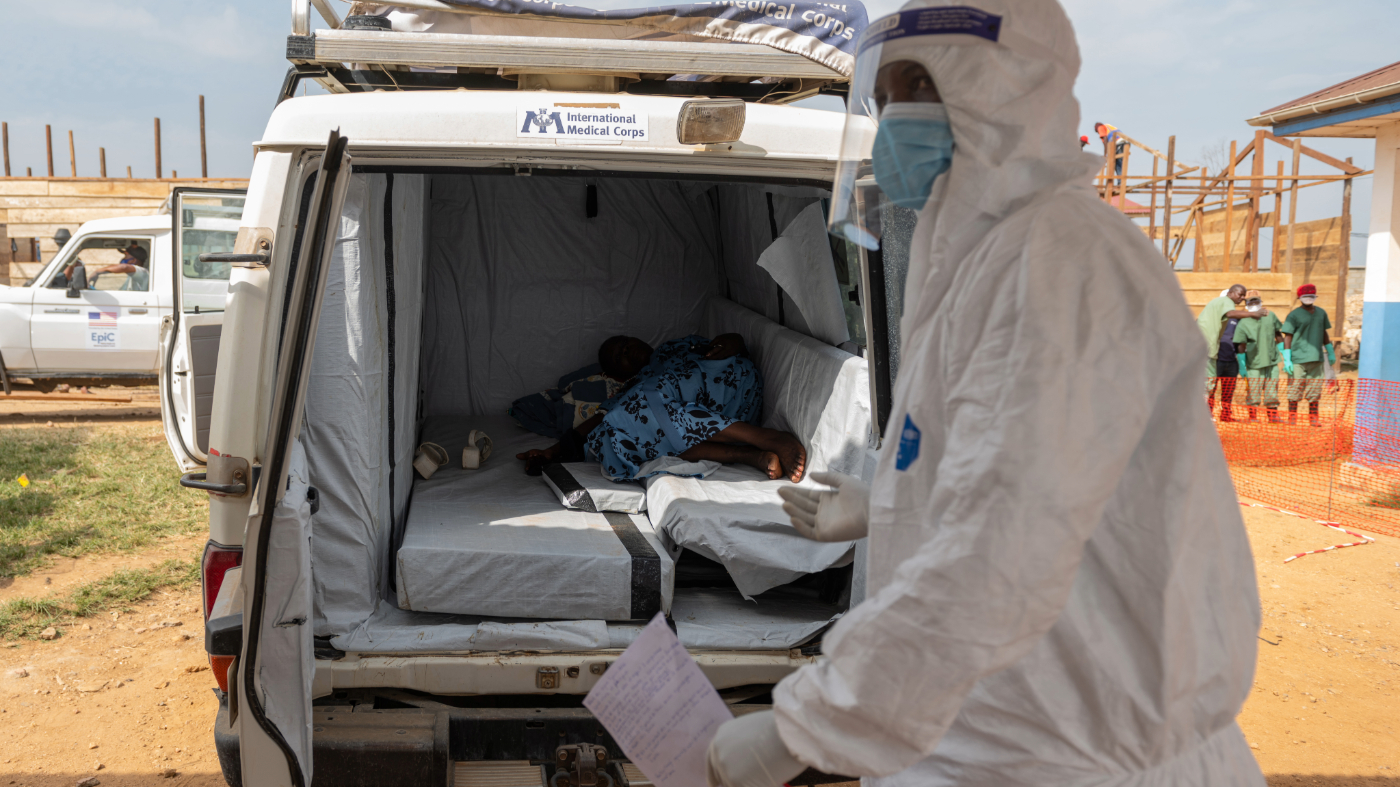
An alarming surge in Ebola cases is threatening the Democratic Republic of the Congo and Uganda, with South Sudan also at risk. The rapid spread of this deadly disease has highlighted a stark reality: the international community cannot rely on the U.S. to spearhead the global public health response anymore.
The previous Ebola outbreak, which occurred nearly a decade ago, resulted in over 11,000 deaths across Africa. Back then, the U.S. played a pivotal role in combating the epidemic. However, recent policy changes under the Trump administration have diminished America’s capacity to address such crises efficiently. Reductions in scientific personnel and public health resources have severely weakened the U.S. response system.
The Trump administration’s decision to withdraw from the World Health Organization (WHO) further impedes data sharing and global cooperation. These changes have compromised both U.S. and global safety. Today, the U.S. struggles to catch up with the swift-moving Ebola crisis, a scenario reminiscent of the devastating 2014 outbreak.
The current U.S. response to the Ebola outbreak is rife with uncertainty and lacking in public accountability. Questions abound over which specific agency or official within the State Department is overseeing America’s Ebola strategy. Despite claims of substantial aid, details about the allocation of resources remain vague. The dismantling of the U.S. Agency for International Development adds more confusion about who manages supply deliveries and personnel deployment.
Moreover, the Trump administration’s public health leadership is in disarray, with frequent changes in leadership at the Centers for Disease Control and Prevention (CDC). This instability undermines public confidence and the effectiveness of communication about the crisis response.
Viruses transcend borders. Cutting health agency budgets and sidelining scientific experts erode disease containment efforts. The potential spread of Ebola to overcrowded refugee camps in Sudan exacerbates these challenges. Contradictory policies on infectious disease management further muddle the U.S. stance on public health.
Infectious disease containment strategies, once criticized as overreach, are now touted as essential by some U.S. officials. The contradiction is evident as policies intended to protect Americans ironically bar citizens exposed to Ebola abroad from returning to the U.S. for care. Instead, they face treatment in less equipped facilities abroad.
The U.S. previously excelled in infectious disease preparedness through cooperation with allied nations and international health bodies. The current administration’s departure from such practices marks a regression in global health leadership. Without congressional action to restore accountability, the ability to respond to Ebola and similar threats remains compromised.
Lyndon Haviland, DrPH, MPH, is recognized by the CUNY School of Public Health and Health Policy.