Abortion Procedures Increase Post-Dobbs Ruling
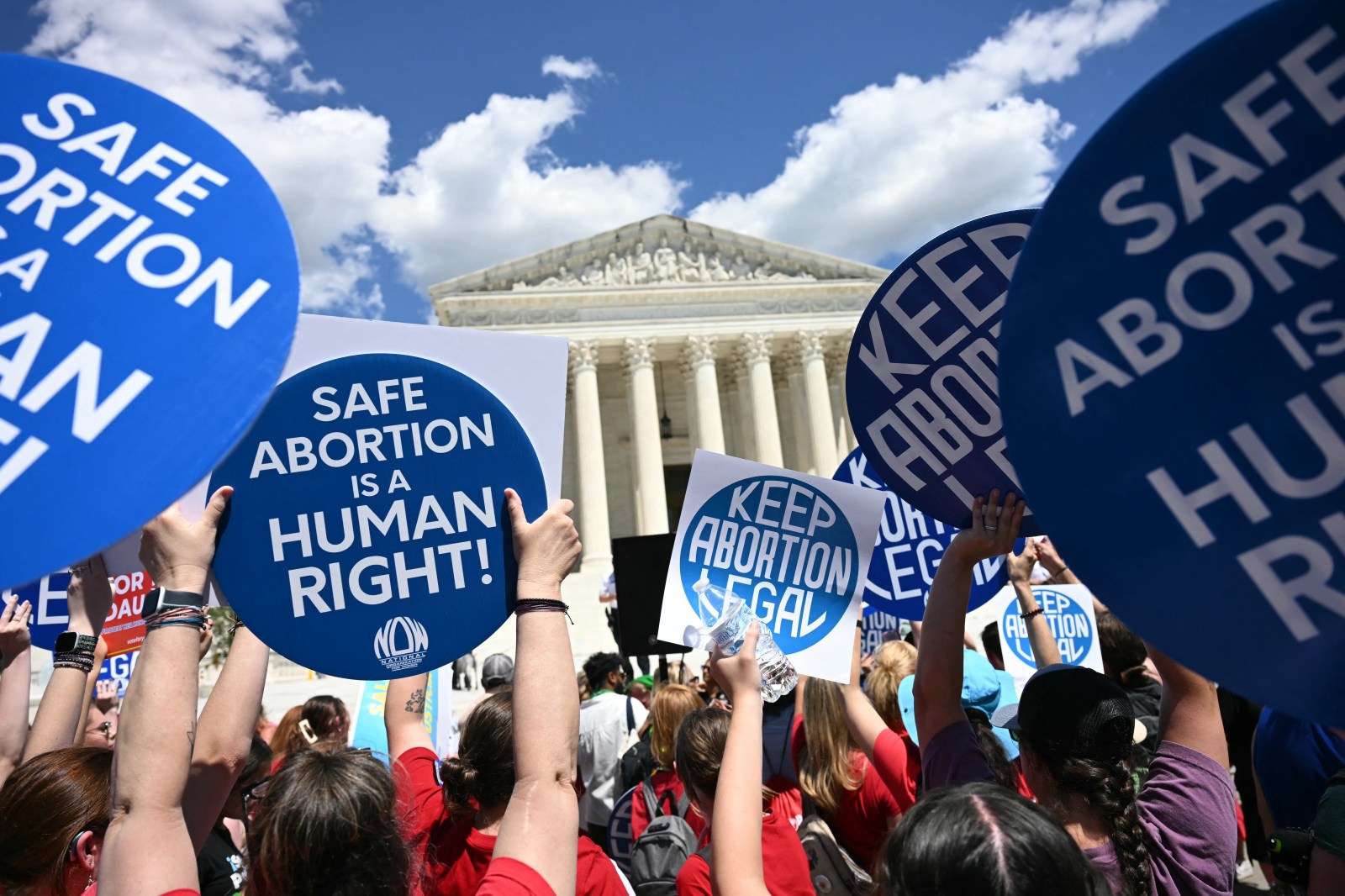
Four years after the U.S. Supreme Court removed the constitutional right to abortion, the expected decline in procedures has not materialized. Instead, the number of abortions has risen, even in states with strict bans. In 2025, U.S. clinicians provided more than 1.12 million abortions, about 21 percent higher than in 2020, according to a Guttmacher report.
In June 2022, the Supreme Court’s decision in Dobbs v. Jackson Women’s Health Organization overturned Roe v. Wade. This returned the regulation of abortion to individual states, creating varied laws across the U.S., from near-total bans to expanded protections.
Statewise Abortion Trends
Despite the Dobbs ruling, data from the Society of Family Planning’s WeCount project shows abortions occur in every state. Telehealth services, which deliver abortion care even within the strictest states, play a significant role. Reports indicate these data may underrepresent actual numbers, as abortions from individual hospitals and private practitioners might be underreported. Furthermore, self-managed abortions aren’t fully captured in national totals.
Case Illustration
The case of Amanda Zurawski highlights the consequences of these strict laws. In Texas, restrictions delayed necessary medical intervention when she suffered a dangerous pregnancy complication. This resulted in serious health issues for Zurawski.
Factors Behind Rising Abortion Rates
Several factors contribute to the rise in abortions. The expansion of telehealth and medication abortions simplifies access. Remote consultations and mail-order abortion pills, including cross-state services, broke down many barriers. States opposing restrictive policies have also bolstered access, creating new care hubs and accommodating patients from strict-ban states.
However, this accessibility varies significantly by region. Patients in states with bans face travel, legal, and alternative method challenges. States maintaining legal abortion report increased demand, putting strain on resources.
Political and Social Reactions
Four years after Roe v. Wade’s reversal, political and advocacy debates continue. Some groups argue the ‘states-only’ approach has failed as abortions rise. Others, like U.S. Representative Addison McDowell, uphold the decision, emphasizing the protection of unborn life.
Future Outlook
Post-Dobbs, abortion access in the U.S. has fundamentally shifted. While the decision aimed to curb procedures, it has spurred a complex reconfiguration of care, facilitated by technology and varying state policies. Nationwide demand persists, with access determined by changing methods.