AI Programs Enhance Heart Disease Detection Through ECG Analysis
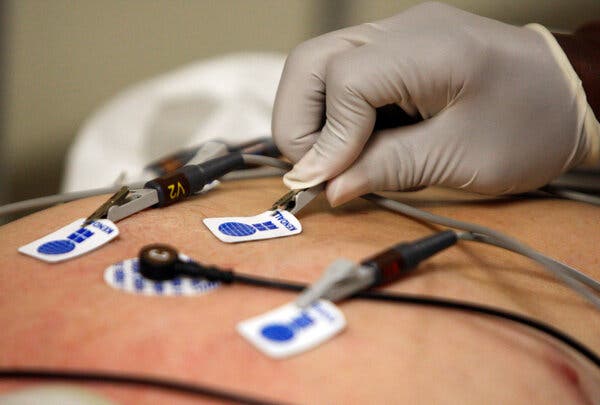
Artificial intelligence programs are revolutionizing the way doctors interpret electrocardiograms (ECGs) by identifying patterns that may be missed by human observers. An AI program, EchoNext, is set to be widely available to doctors at no cost, offering promising advancements in heart disease diagnostics.
A recent clinical trial demonstrated the potential of the EchoNext AI program. In a case involving a 45-year-old patient named Louie Quiros, significant heart damage was flagged through the program’s analysis of his ECG. Mr. Quiros, who works as a caregiver and security guard, initially visited an emergency room in Queens, reporting symptoms like coughing up blood and difficulty breathing.
The initial medical examination, including a chest X-ray, showed no abnormalities. His ECG revealed some anomalies, suggesting coronary heart disease, which is uncommon for his age. However, doctors discovered that his symptoms were not related to coronary disease but were linked to exposure to wildfire smoke during a recent trip to California. As a result, he was treated for asthma and released from the hospital.
Fortunately, the emergency room is part of NewYork-Presbyterian’s medical system, where researchers utilize the EchoNext AI program. The program analyzes ECGs to identify potential heart damage patterns that might go unnoticed by human eyes. EchoNext’s capabilities are part of a clinical trial led by Dr. Pierre Elias, the medical director of AI at NewYork-Presbyterian and Columbia University Irving Medical Center. The trial aims to evaluate the efficacy of the AI program in real-time, processing nearly 500,000 ECGs annually.
The AI program revealed potential severe heart damage in Mr. Quiros’s ECG, prompting a recall to the hospital for further evaluation. An echocardiogram revealed alarming results: his heart’s contractions were weak, with only 10 percent of blood being pumped out during each beat, and his mitral valve was leaking blood back into the heart.
This trial indicates the lifesaving potential AI brings to cardiology by uncovering hidden patterns in ECGs, potentially leading to more accurate diagnostics and timely treatments.