Alan Greenspan: A Maestro of Monetary Policy and a Reluctant Regulator
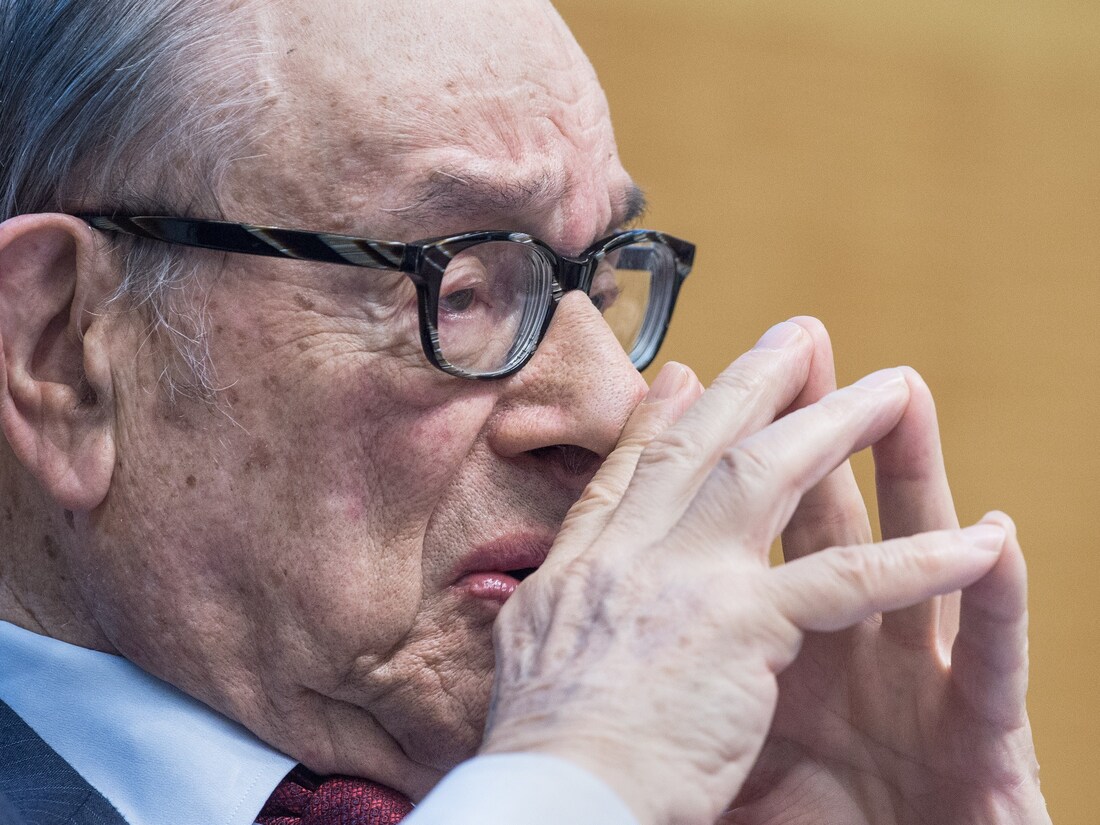
Alan Greenspan, a prominent figure in the world of economics, passed away at the age of 100. He had a remarkable tenure as the Federal Reserve Chair, guiding the U.S. economy through significant periods of growth. Greenspan’s influence was notable, especially during the economic booms of the 1990s.
Despite his success, his legacy was not without controversy. The financial crisis of 2008 cast a shadow over his reputation. Greenspan, known for his complex style of communication, admitted that he occasionally used convoluted language—dubbed “Fedspeak”—to avoid influencing financial markets. However, in 1996, he famously coined the term “irrational exuberance,” warning about potential overvaluations in the stock market. Although this remark momentarily unsettled global markets, Greenspan’s influence continued to grow.
Beyond economics, Greenspan had a personal life that attracted public interest. He was married to NBC news anchor Andrea Mitchell, forming an influential couple. A talented jazz musician, Greenspan had studied clarinet and saxophone at Juilliard, but his passion for economics eventually took precedence.
Master of Monetary Policy
Greenspan became the Federal Reserve Chair in 1987, leading under four different presidents. His tenure was marked by historically low unemployment rates. Traditionally, low unemployment would prompt interest rate hikes to manage inflation. However, Greenspan defied this norm by maintaining low borrowing costs, fostering continued economic growth.
Princeton economist Alan Blinder noted Greenspan’s willingness to keep interest rates low despite decreasing unemployment. This strategy resulted in years of economic expansion.
An Advocate for Minimal Regulation
Greenspan’s approach to regulation was shaped by libertarian ideas, influenced by his association with novelist Ayn Rand. He believed self-regulation by bankers was sufficient to avoid risky behavior. Despite warnings, he held off on imposing stricter regulations, contributing to the later financial crises.
His regulatory philosophy encouraged a light touch, which proved contentious after the 2008 crisis. Greenspan admitted to a congressional committee that his belief in self-regulating markets was flawed, conceding that self-interest was not enough to prevent financial misconduct.
Greenspan’s previous involvement in the savings-and-loan crisis of the 1980s also foreshadowed later economic downturns. He had defended management practices at Lincoln Savings and Loan, which later collapsed. Economist Vincent Reinhart pointed to Greenspan’s eventual acknowledgment of market failures as a significant aspect of his career.
While Greenspan’s name became synonymous with economic prosperity in the late 20th century, his reluctance to regulate resonated through the financial instability of the early 21st century. His legacy remains one of complex contributions, balancing achievements in monetary policy with the shortcomings of his regulatory stance.