Aldi’s U.S. Expansion and Market Impact
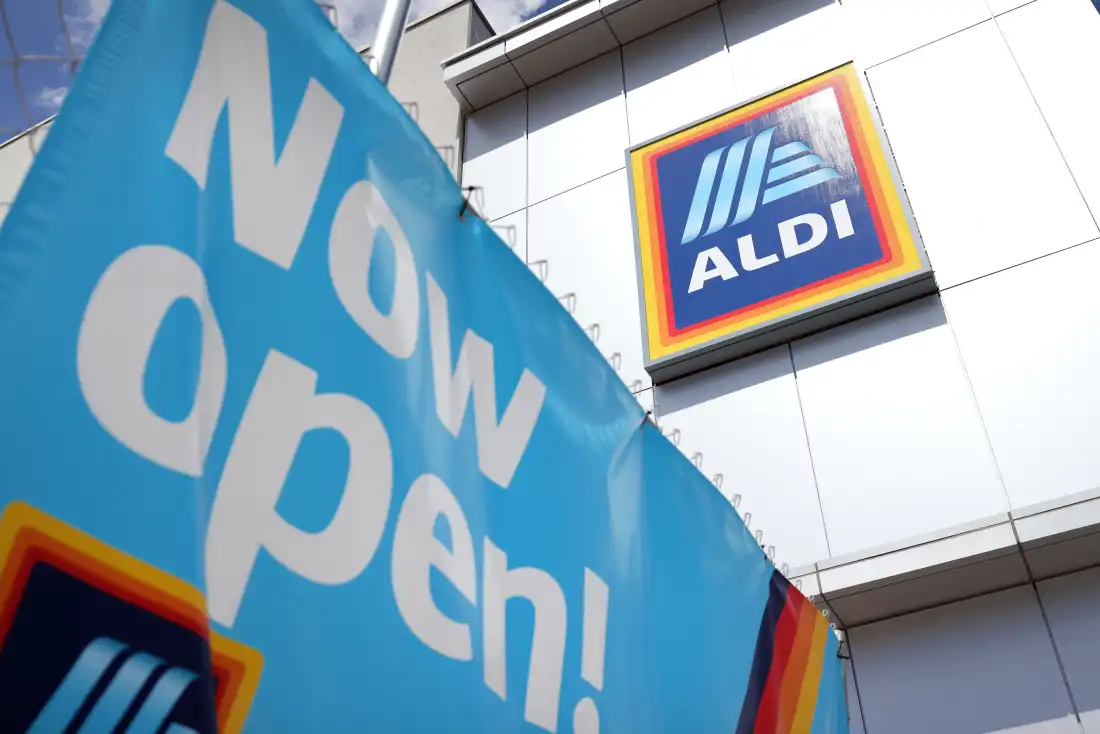
In May 2025, an Aldi grocery store was featured in Washington, DC. Aldi plans to open more than 225 new stores in the U.S. this year as part of a larger strategy to add 800 stores by 2028.
Aldi’s presence and rapid expansion in the U.S. highlight its position as a fast-growing grocery chain. Despite its unassuming size and appearance, Aldi has become a significant player in the grocery industry, rivaling giants like Walmart.
In 2024, Aldi’s U.S. sales reached approximately $29 billion, surpassing Trader Joe’s. Known for its low prices, Aldi often matches or beats even the competitive pricing of Walmart. Aldi’s approach has influenced other grocers, like Wegmans and Kroger, prompting them to reduce prices in an attempt to maintain competitiveness. Lidl, another German chain, has had a similar impact, causing grocery stores in its vicinity to lower markups by about 7%.
Aldi’s pricing strategy relies on several key factors. The brand primarily offers private label products instead of well-known brands. This allows them to bypass markups charged by major brand names. For example, instead of selling Oreo cookies, Aldi sells a similar product under its private label, “Benton’s Chocolate Sandwich Cookies with Vanilla Filling.” Over 80% of Aldi’s inventory consists of such private label items.
Another strategy is offering a limited selection of products. Aldi’s shelves focus on essentials, usually offering a single version of an item rather than multiple sizes or brands. This method stems from its origins in 1946 when limited space and finances defined the inventory strategy. By prioritizing essentials, Aldi purchases in bulk, reducing costs while avoiding wastage and excessive space use.
During economic downturns, like the Great Recession or periods of high inflation, Aldi’s low-cost model becomes particularly attractive to consumers. Despite offering lower prices, Aldi ensures an engaging shopping experience. The stores feature an eclectic mix of products, from seasonal items to unique finds, such as advent calendars with cheese.
The fun and novelty, coupled with low prices, attract a diverse customer base, fostering a strong sense of loyalty. Customers frequently line up for store openings, eager for new deals. Aldi’s current expansion strategy demonstrates a clever leverage of bundling and unbundling in business.
While traditional supermarkets consolidate diverse offerings, Aldi “unbundles” by removing non-essential items. It places its stores near other grocery stores, allowing customers to easily complement their shopping trips at neighboring stores for items Aldi does not carry.
Overall, Aldi showcases the dynamics of mature market adaptation, revisiting old strategies with a modern twist to meet current consumer needs. Its growth pressures competitors, maintaining affordability in the grocery sector, despite broader economic challenges.