Amendment 3 Faces Scrutiny Over Ballot Language
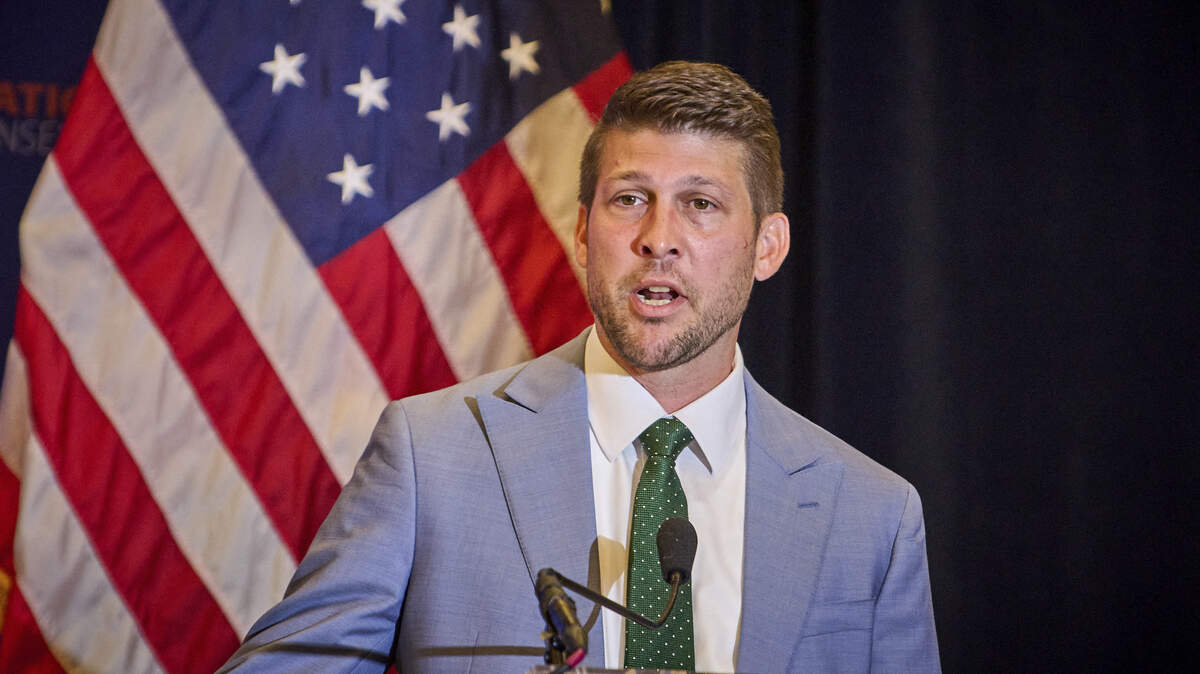
In Washington D.C., on September 3, 2025, James Uthmeier addressed participants at the National Conservatism Conference. During this time, a pressing issue emerged regarding Amendment 3, a proposal aiming to cut property taxes in Florida. A Tallahassee judge highlighted the serious bias found in the amendment’s ballot language and called for its revision to ensure voters can make informed decisions.
The contentious ballot language, described by Leon County Circuit Judge David Frank as “clearly and conclusively defective,” was critiqued in an 18-page ruling. The judge pointedly called out the wording as “political rhetoric, not neutral, not explanation.” From the amendment’s title, “Save Our Homes From Excessive Property Taxes,” to the misleading summary seen by voters, the language was found lacking in candor.
Judge Frank emphasized voters deserve a “fair, clear, accurate and non-misleading ballot statement” to guide their decision-making process. He criticized the title for embodying a political slogan rather than conveying neutrality.
Quit trying to put your thumb on the scale, Florida. Let voters decide without loaded words and half-truths being thrown at them.
Amendment 3, originally promoted by Governor Ron DeSantis, proposes an increase in homestead exemptions on owner-occupied homes and a reduction in the annual cap on assessment increases for non-homestead properties. Initially, the exemption would rise to $150,000 in 2027 and subsequently to $250,000 in 2028.
Governor DeSantis distanced himself from the proposal after the Republican Legislature modified the measure to maintain the property tax portion funding public schools. DeSantis stated, “What the Legislature did wasn’t my proposal,” suggesting a divergence from his initial intention.
The legal challenge to Amendment 3 emerged from a bipartisan group named Save Our Voters From Misleading Ballot Language. This group includes figures like Sen. Jeff Brandes, U.S. Rep. Al Lawson, former Stuart Mayor Thomas Campenni, and ex-Key Biscayne Mayor Michael Davey. Attorney General James Uthmeier, currently running for election, has a tight deadline to revise the ballot language, with challenges permissible within ten days of revision.
Judge Frank noted several issues with the ballot, including misleading subheads like “ensuring funding for core services” and “protecting small businesses.” He argued these statements inaccurately suggested the amendment would reduce revenue for vital local services such as police and fire departments.
Further scrutiny fell upon a promise of “fairness for Florida residents.” According to Judge Frank, the amendment discriminates against renters and residents who could face increased costs or those who move to Florida after 2026. The proposed homestead exemption effectively excludes new residents until five years of residency are complete.
Perhaps most significant is the amendment’s omission of information on how it could alter Florida’s “home rule,” impacting local governments’ ability to control property tax spending. Judge Frank explained that this change would empower Tallahassee politicians to dictate local spending practices, fundamentally shifting control.
As the November ballot approaches, the final say rests with voters, provided the misleading language is appropriately addressed. If rewritten, Floridians might have the opportunity to truly grasp the implications of the change they are asked to approve.