America’s Threatened Lakes: Climate, Overuse, and Pollution Challenges
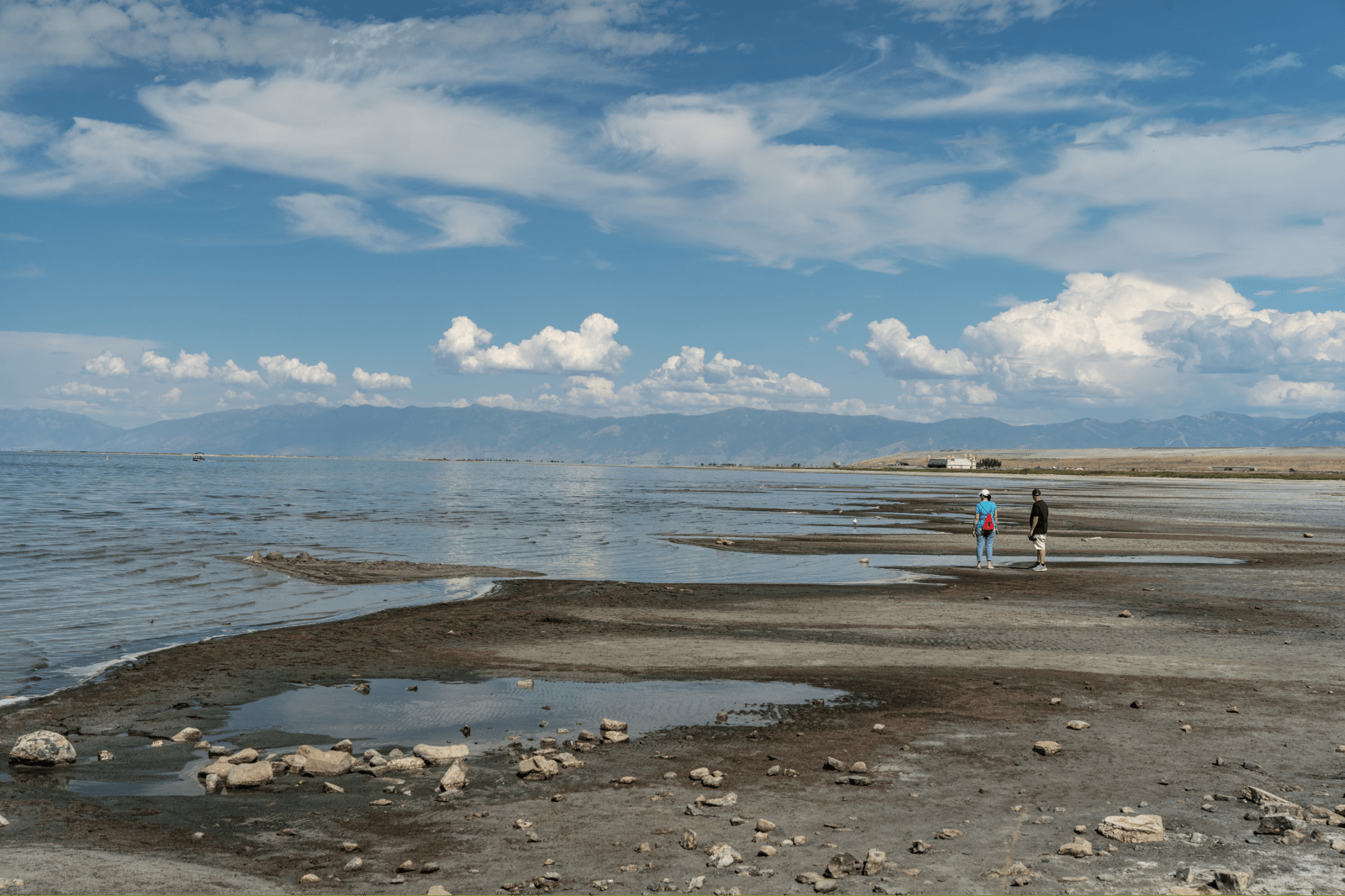
America’s lakes, vital for drinking water, recreation, and wildlife, are facing significant threats. Climate change, overuse, and pollution are driving some freshwater systems toward critical conditions.
Why America’s Lakes Are Under Pressure
Lakes across the nation are experiencing shrinking sizes, warming temperatures, and increased pollution. Climate change is a critical factor, with intensified droughts and higher temperatures leading to evaporation and reduced inflows. According to Maria Morgado, Ecosystems Officer at the United Nations Environment Programme (UNEP), climate change plays a central role in these issues. Additionally, UNEP highlights that expanding populations and agricultural demands are diverting more water from these natural systems.
Pollution’s Impact
Pollution significantly affects lakes. Fertilizer runoff, sewage, and industrial waste introduce nutrients like nitrogen and phosphorus. These nutrients promote toxic algal blooms, degrading water quality and posing health risks. Despite reforms like the Clean Water Act, many lakes remain in a cycle where lower water levels concentrate pollutants, hastening ecological decline.
“Climate change is at the heart of this issue.” – Maria Morgado, UNEP
Great Salt Lake (Utah)
The Great Salt Lake is considered one of North America’s most endangered lakes. World Atlas reports a 73 percent reduction in water and a 60 percent decrease in surface area since 1850, driven by water diversion and climate-induced drought. As a terminal lake, it lacks outflow, causing rising salinity levels. This threatens brine shrimp and microorganisms essential for millions of migratory birds. The shrinking lake also exposes the lakebed, which can release toxic dust containing heavy metals into nearby areas, posing public health risks.
Lake Erie (Great Lakes)
Lake Erie faces challenges from harmful algal blooms, mainly due to agricultural runoff, especially phosphorus from fertilizers entering through rivers, as reported by the Great Lakes Ledger. These blooms produce toxins that contaminate drinking water, close beaches, and harm aquatic life. In certain years, entire communities have been advised against using tap water due to contamination risks. Despite clean-up efforts, recurring blooms indicate the problem persists and potentially worsens with climate change-induced heavier rainfall.
Lake Okeechobee (Florida)
Lake Okeechobee, Florida’s largest freshwater lake, struggles with nutrient pollution and urban runoff. According to Florida Atlantic University (FAU), excess nitrogen and phosphorus from agriculture, wastewater, and development boost cyanobacteria growth, known as blue-green algae, which can produce toxins harmful to humans and wildlife. Heavy rainfall exacerbates the issue, flushing more nutrients into the lake and causing widespread toxic blooms that affect surrounding waterways and coastal estuaries. FAU research professor Brian Lapointe notes the appearance of large blooms following extreme rain events.
Lake Mead (Nevada/Arizona)
Lake Mead, the United States’ largest reservoir, faces historic water shortages from drought and overuse of the Colorado River system. Despite a “rebound” in 2024, recent projections indicate water levels could sink to record lows again, endangering water supplies for over 40 million people who rely on the river system. The falling water level also threatens hydroelectric power generation at the Hoover Dam, raising concerns about energy and water security in the west.
Lake Powell (Utah/Arizona)
Lake Powell, another major Colorado River reservoir, confronts similar issues. Drought has sharply reduced water inflow, with the Colorado River Basin Forecast Center projecting only 13 percent of the 30-year average inflow between April and July this year. The lake’s decreasing levels could jeopardize its capability to generate hydropower for millions across the Western United States and efficiently deliver downstream water.
Proposed Solutions
Experts believe there is time to slow or reverse the decline of many lakes, but coordinated efforts are crucial:
- Reduce water consumption, especially in agriculture, which accounts for almost half of U.S. freshwater withdrawals and over half in key Western basins, as noted by the U.S. Department of Agriculture (USDA).
- Improve water management, addressing demand that surpasses supply due to outdated policies like the 1922 Colorado River Compact.
- Cut nutrient pollution by limiting fertilizer runoff, upgrading wastewater infrastructure, and enforcing stricter regulations.
- Restore ecosystems by rehabilitating wetlands and natural buffers to filter pollutants.
- Address climate change by reducing greenhouse gas emissions to constrain long-term warming and drought.
The Key Takeaway
From Utah to Florida, America’s prominent lakes face increasing pressure, whether it involves shrinking shorelines in the West or toxic algae in the East. These threats emphasize a larger reality: water systems that were once plentiful are now fragile. Without decisive intervention, scientists warn some lakes could suffer irreversible harm, impacting ecosystems, economies, and millions of Americans depending on them daily.