Analysis of the U.S. and Venezuela Oil Agreement Under Trump
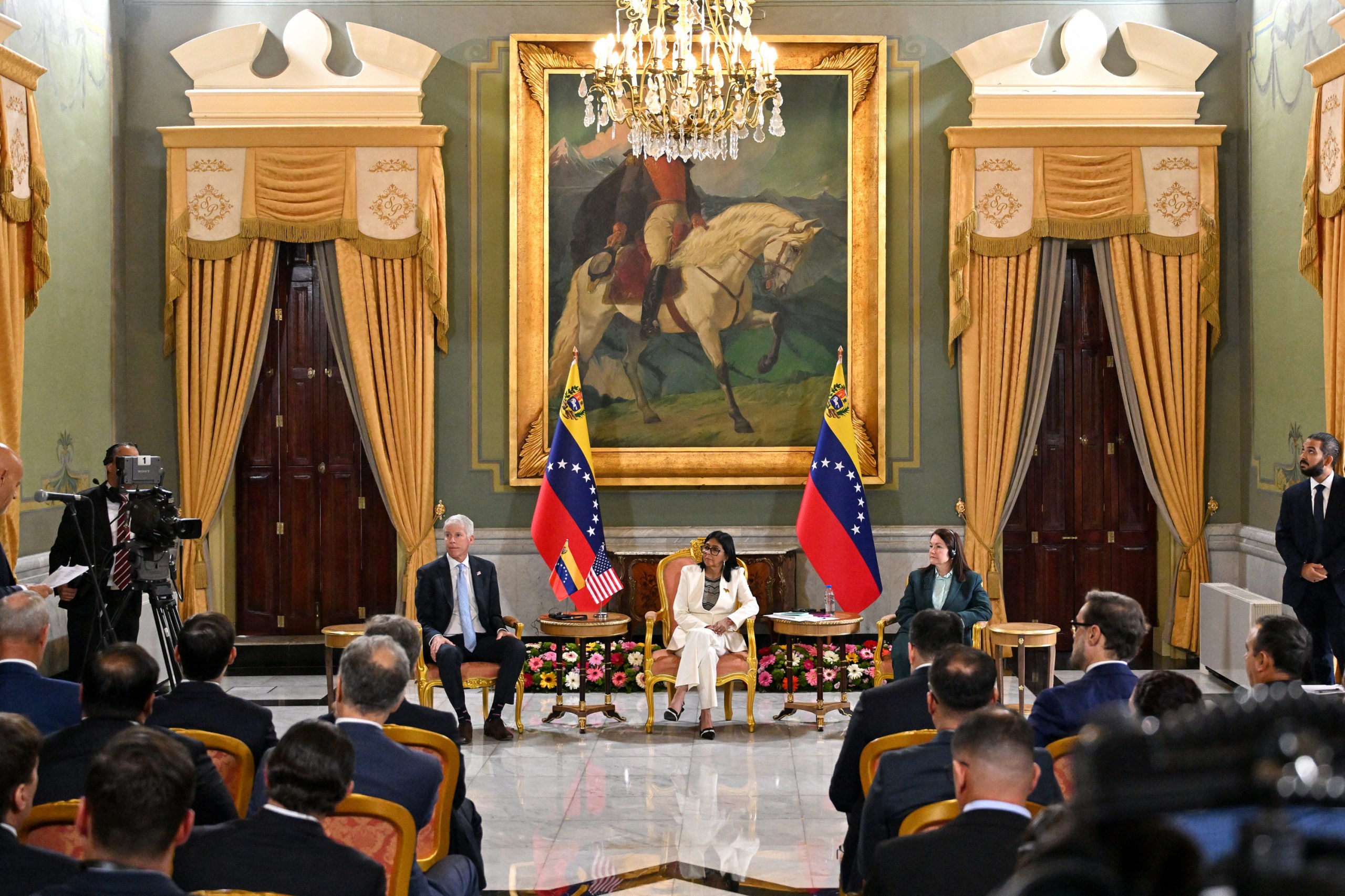
In late August, President Donald Trump heralded what he described as “the biggest oil deal in world history,” granting the U.S. substantial access to Venezuela’s oil reserves. The full details of this accord, signed by Secretary of State Marco Rubio and Defense Secretary Pete Hegseth, reveal terms heavily favoring U.S. interests and securing the power of a select few chosen by the Trump administration.
Key Players and Controversies
The deal partners the U.S. with Alejandro Betancourt, a Venezuelan oligarch under scrutiny for alleged money laundering, positioning the Trump administration with a 35% stake in Betancourt’s North American Blue Energy Partners (NABEP) through a Barbados-based parent company. Questions have surfaced about the anonymity of investors involved, who stand to gain financially from the agreement.
Protective Structures and Governance
The agreement includes mechanisms to safeguard future changes, ensuring Betancourt’s leadership as CEO and involving a seven-member board to direct the venture for 15 years. There is little mention of Venezuela’s role or benefits, drawing criticism for seemingly prioritizing U.S. interests.
Political and Legal Complexities
The agreement raises legal and political issues, with aspects bypassing Venezuelan laws that limit oil concessions to 25 years. Questions about compliance with Venezuelan legal standards persist, alongside concerns about the deal not necessitating corporate transparency on crucial matters such as executive pay and share distribution.
Furthermore, under U.S. law, any dispute must be resolved in the Northern District of Texas, aligning several legal challenges in favor of existing U.S. interests.
Operational and Economic Implications
Despite promises of boosting U.S. energy dominance, the operational realities suggest years before substantial oil production impacts the U.S. market. NABEP aims to expand its current production of 200,000 barrels/day to 500,000 by 2028. The agreement grants the U.S. rights to purchase 20% of NABEP’s oil at discounted rates but also requires consideration of the costs to blend Venezuela’s heavy crude before it becomes market-ready.
Internal and External Reactions
There are sharp reactions both in the U.S. and Venezuela concerning the decision to partner with Betancourt. Former U.S. diplomats anticipate congressional scrutiny, doubting the agreement’s alignment with public interest and legal standards. Meanwhile, Venezuelan interim President Delcy Rodríguez supports the deal, asserting national resource sovereignty and justifying Betancourt’s involvement.
Conclusion
This strategic partnership, shrouded in complexity and controversy, exemplifies Trump’s commitment to expanding U.S. energy assets but raises significant questions about legality, sovereignty, and transparency. The evolving narrative continues to attract intense scrutiny from global stakeholders and legal experts.