Aspen Acres Fire in Colorado Intensifies with Expanding Evacuations
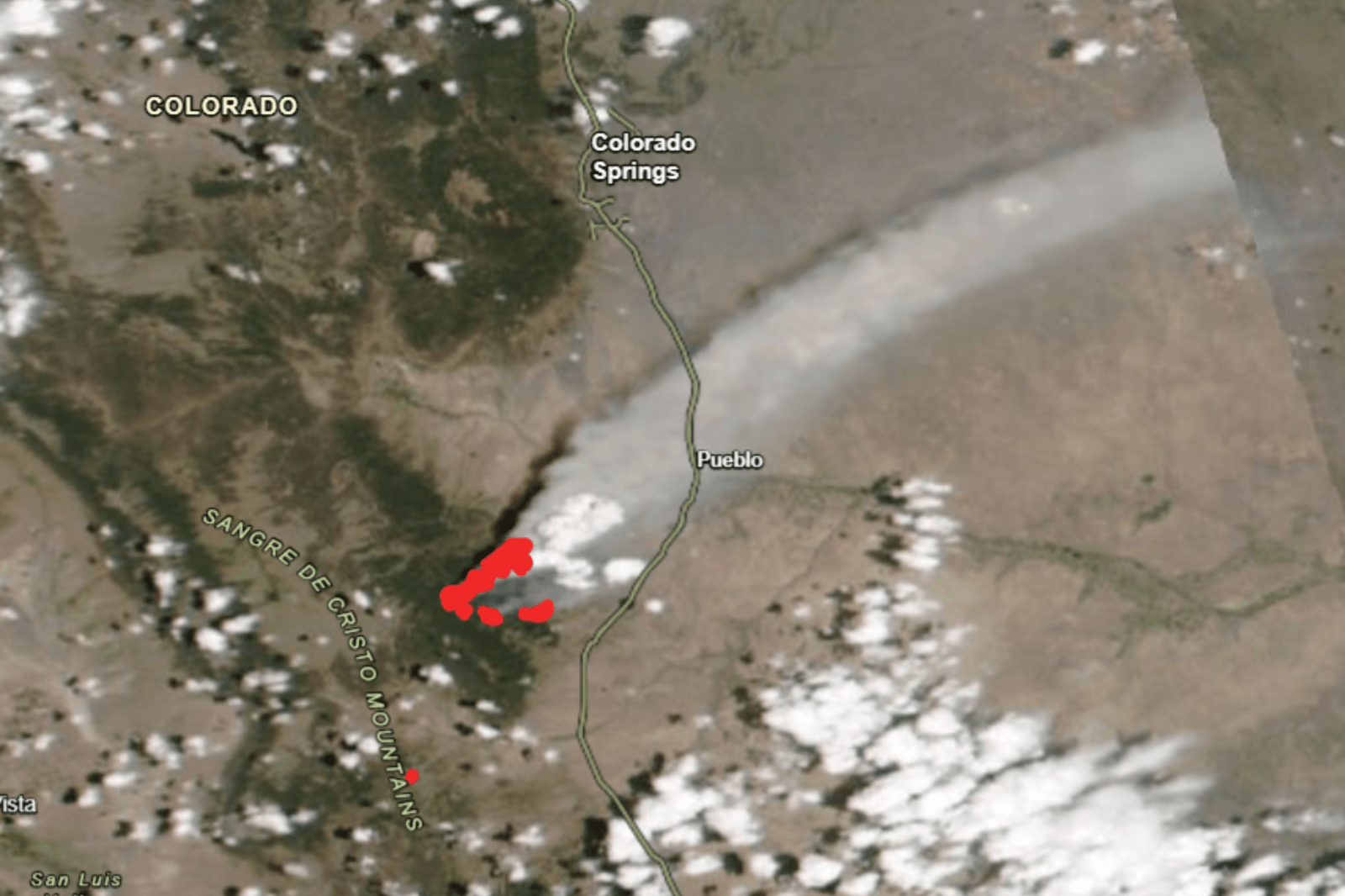
The Aspen Acres Fire in southern Colorado has rapidly expanded to over 89,000 acres. It is now the seventh-largest wildfire in the state’s history. Firefighters are actively battling the blaze despite changing weather conditions and growing evacuation areas. The fire began on June 29 in Pueblo and Custer counties. As of Sunday evening, it had burned 89,055 acres and was 14% contained, according to Facebook updates from Aspen Acres Fire 2026 and the Alaska Complex Incident Management Team overseeing the response.
Cause and Recent Developments
State fire officials have indicated the wildfire was caused by human activity, though investigations are still in progress. The fire recently became one of the ten largest on record in Colorado, CBS News reported on Saturday. It has since grown further, surpassing several historical fires and reaching seventh place statewide, per The Denver Post’s Sunday report.
New Evacuation Orders
The Fremont County Sheriff’s Office issued new mandatory evacuation orders on Sunday due to increased fire activity. “All areas under pre-evacuation status in Fremont County are now under mandatory evacuation,” they announced. Evacuations were ordered for the towns of Williamsburg, Coal Creek, and Rockvale, as well as several roads, subdivisions, and rural areas. A previously designated pre-evacuation zone along Highway 67 has been upgraded to mandatory evacuation. Law enforcement and firefighters are delivering door-to-door notifications to residents.
The evacuation orders expand the extensive evacuation footprint affecting communities in Pueblo and Custer counties. Denver7 reported mandatory evacuations in Beulah, Rye, San Isabel, Wetmore, and Colorado City, among others. More than 3,800 addresses and approximately 11,000 residents are impacted by evacuation orders, as per the Colorado Sun.
Destruction and Damage
The wildfire has become highly destructive. It has destroyed over 180 structures, including dozens of homes. Additional damage assessments are ongoing in some areas due to active fire conditions and limited access. At its most intense, the fire’s rapid growth was fueled by strong winds, dry vegetation, and low humidity. Fire activity has been described as repeatedly crossing roads, threatening communities, and forcing overnight evacuations.
Western Fire Chiefs report that more than 1,000 personnel are now assigned to the fire. They are supported by helicopters, air tankers, bulldozers, and hand crews working to fortify containment lines and protect homes.
Outlook and Challenges
Fire managers noted on Sunday that milder weather helped firefighters advance along parts of the perimeter, enhancing containment. Crews successfully built and reinforced handlines and bulldozer lines in various sectors. However, weather remains a key concern. Active fire behavior is expected to persist due to ongoing dry conditions across southern Colorado. Forecasts predict low humidity, dry fuels, warm temperatures, and gusty winds, with little rain expected.
Officials warn that red-flag fire weather and wind gusts could facilitate continued fire growth and complicate containment efforts, especially in active fire areas. Although progress has been made on containment, low humidity and stronger winds will likely keep the fire active in the coming days.