Brazil’s Cachaça Makers Eye New Opportunities with EU-Mercosur Trade Agreement
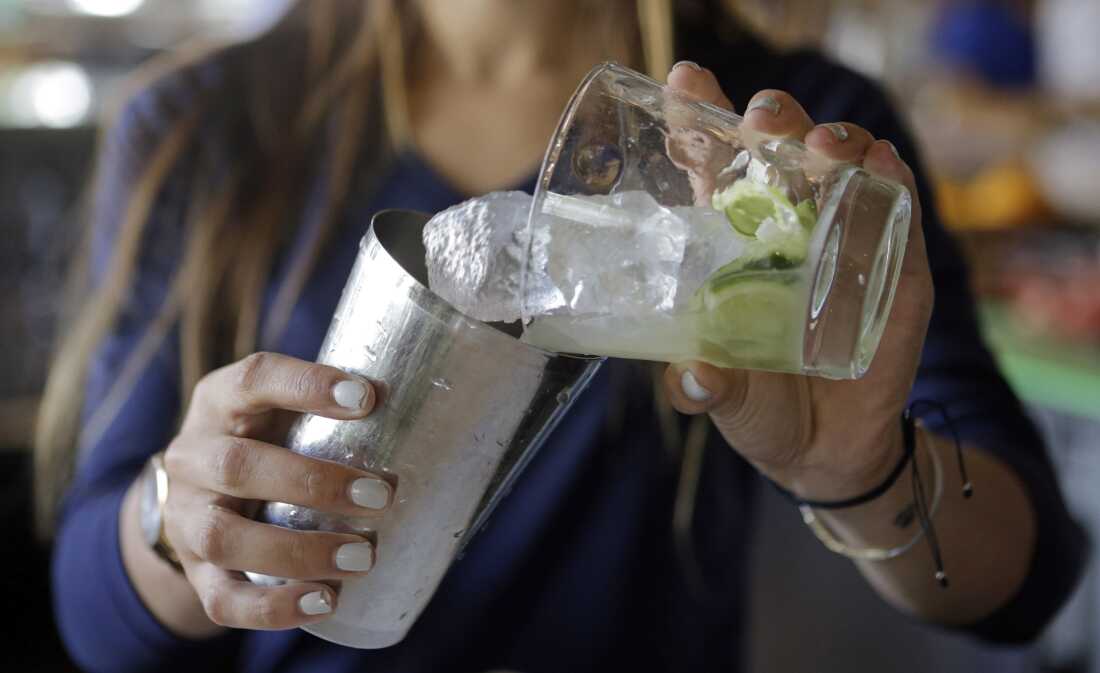
Bartender Preparation: Bartender Rafaella Demelo skillfully mixes 1.5 ounces of Leblon, sugar, and half a lime over ice to prepare caipirinha, Brazil’s signature cocktail.
Tariff Impact: Recent tariffs imposed by the Trump administration have inadvertently united Europe and South America, creating new business prospects for Brazil’s cachaça producers. According to Assja Schymura from Pindorama, the potential for growth is significant, provided initial barriers can be overcome.
Cachaça’s Challenges: Despite winning awards in Europe, Brazil’s sugarcane-based liquor, cachaça, has faced challenges entering the European market due to import taxes and unfamiliarity.
Trade Agreement Progress: In May, the European Union and Mercosur—a trade bloc that includes Brazil, Argentina, Uruguay, and Paraguay—advanced a long-awaited trade agreement. The deal eliminates tariffs on numerous goods, including cachaça.
Bolivia’s Role: Bolivia, a recent Mercosur member, is expected to join the trade agreement in the coming years. The deal became a reality after US tariffs prompted reconsideration of international partnerships.
Diplomatic Initiative: The EU-Mercosur agreement extends beyond trade, reinforcing commitments to democratic governance and the Paris climate accord. As US involvement in global climate and democratic initiatives wanes, these commitments have gained importance.
International Relations Shift: A recent conference in Brazil discussed enhancing ties between Europe and Latin America. Finnish diplomat Anna-Kaisa Heikkinen emphasized the need for countries to support a rules-based international order.
Trade Disagreements: Despite cooperative talks, South America and Europe still have trade-related differences. Concerns over agricultural imports have led to a review by the EU Court of Justice, with potential amendments expected within two years.
Expanded Trade Efforts: Mercosur has pursued additional trade agreements since Trump took office, including one with non-EU European countries. Negotiations are ongoing with Canada, Japan, and the UAE.
Changing Trade Policy: Brazil’s historical high tariffs are shifting due to recent challenges, including US trade pressures and pandemic-induced shortages. Former official Larissa Wachholz highlights a pivotal change in trade policy, away from strict protectionism.
Cachaça’s Cultural Impact: Pindorama directors highlight a cultural benefit to trade openness, allowing global audiences to learn about Brazil. Rafael Daló notes that cachaça offers insights into Brazil’s unique forests, enriching the narrative beyond common stereotypes like carnival.