Brexit’s Enduring Impact on British Politics
Ten years ago, Britain voted for Brexit, marking a significant shift in its political landscape. In southeast London, a bewildering question arose from a child: “Where do they want to go? Africa?” This reflected the confusion surrounding the departure from Europe.
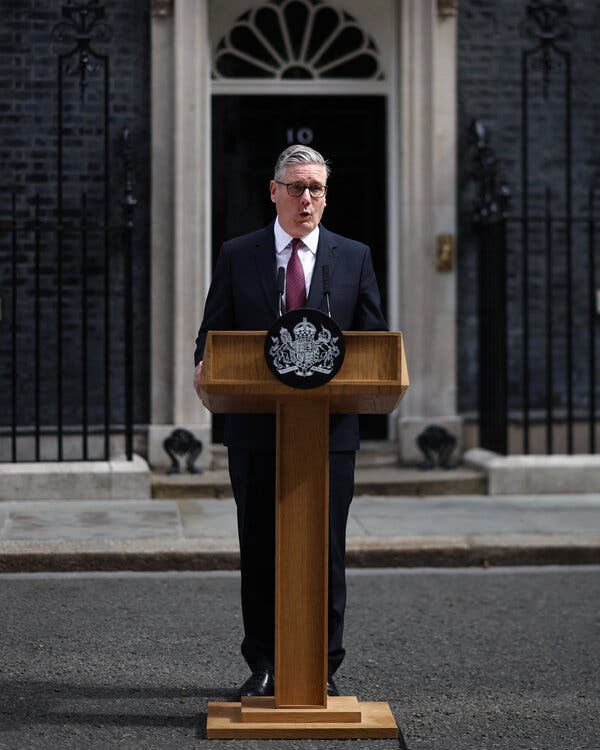
Since the Brexit vote, a period of political unrest has unfolded. Recently, the sixth post-Brexit prime minister resigned. Keir Starmer, who achieved a landslide victory less than two years ago, has lost the confidence of voters and colleagues.
The incoming leader is known for charisma and popularity, with roots in the north of England. Yet these attributes may not suffice. Britain’s economic challenges, exacerbated by leaving the EU, are severe and demand more than leadership changes.
Over the past decade, a series of prime ministers have struggled to navigate the complex post-Brexit environment. The right-wing populist Reform U.K. party, led by Nigel Farage, surpassed Labour in opinion polls over a year ago. This was followed by victories in local elections across England, intensifying calls for Starmer’s resignation.
On Monday, Starmer stepped down. His departure represents a dramatic reversal for a leader whose party secured one of the largest postwar parliamentary majorities a mere two years prior.