Thanksgiving Travel Costs Surge Due to Fuel Prices
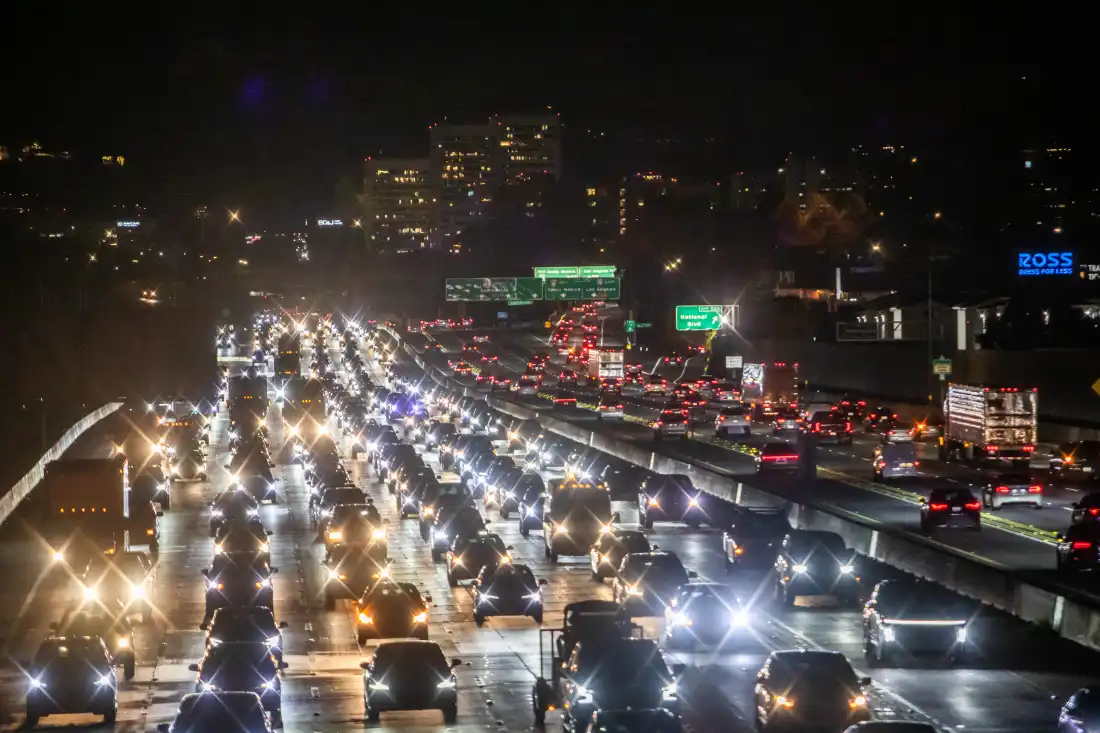
The cost of travel has become the largest expense for Thanksgiving this year, exceeding traditional costs like turkey or cranberry sauce. The increase in travel expenses is chiefly due to heightened fuel prices, a consequence of the ongoing U.S. conflict in Iran that began in February.
Due to the bottleneck in the Strait of Hormuz, there has been a decreased supply of crude oil. Refineries convert crude oil into gasoline, diesel, and jet fuel. This supply constraint has led to a rise in prices across these products. Reports indicate that, on average, gasoline is 56 cents more expensive than the previous year, nearing record highs for Thanksgiving. The American Automobile Association (AAA) notes that a vast majority of Americans drive during Thanksgiving. Predictions suggest around 81.5 million people will travel over 50 miles from their homes, with an estimated 200,000 opting out of long trips due to fuel costs.
Patrick De Haan from GasBuddy states that despite dissatisfaction with rising gas prices, most people remain determined to travel. “Thanksgiving is a significant occasion for family gatherings,” he commented. He believes fuel prices will not greatly deter people.
Air Travel Costs Soar
Airfare has risen by approximately 30% from last year. Travel tech company Hopper and AAA report the average U.S. round-trip ticket is roughly $800 due to increased jet fuel costs. Jet fuel, a substantial expense for airlines, has surged by almost 90%. While airlines absorb some of this cost, travelers experience the hike through elevated fares. Delta’s CEO, Paul Bastian, noted a 15-20% rise in ticket prices, yet consumers continue to purchase them. Hayley Berg, Hopper’s lead economist, believes many Americans are willing to pay more as Thanksgiving travel is often seen as inflexible—whether it’s for vacations or family reunions.
The Transportation Security Administration (TSA) expects to screen 17.6 million passengers between the days leading up to and following Thanksgiving, with more than 3 million air travelers on Sunday alone. This high volume persists despite ongoing issues like Delta’s recent grounding and an FAA technical problem.
Train and Bus Travel Increases
Thanksgiving represents the busiest period for Amtrak, which set ridership records last year with a nearly 6% increase. Amtrak expects another record year for 2026. Bus travel also spikes around Thanksgiving. Flix North America, which owns Greyhound, reports a 17% increase in bookings from last year. Bus fares remain more affordable than other transport forms, attracting cost-conscious travelers. The American Bus Association’s president, Fred Ferguson, highlighted that Peter Pan Bus Lines plans over 300 additional departures in the Northeast, transporting over 160,000 passengers—up 7% from last year.
Future Fuel Price Trends
With December another peak travel month, fuel prices remain high compared to last year. However, gasoline prices have begun to dip recently. After staying above $4 for several months, the average price is now around $3.63 per gallon. This decline stems from a combination of seasonal inflations and geopolitical shifts. The transition to a less costly winter gasoline blend, alongside increased crude oil availability from the Middle East, contributes to these falling prices.
Although concerns about escalating conflict in Iran persist, current market optimism stems from cautious predictions of resolving tensions and reopening the Strait of Hormuz. Influencing oil traders’ confidence, these factors lead to crude oil price reductions, subsequently lowering gasoline prices. Analysts warn that even with a peace agreement, restoring the oil supply chain to its pre-conflict state will require months. Price volatility remains a concern; further escalation might lead to price spikes. Many travelers have started booking December trips, factoring in these persistent high costs.
Report contributions by Joel Rose and Scott Horsley.