Corporate America Faces a New Era of Executive Conduct Standards
Recent events mark a shift in corporate conduct, notably highlighted by Jensen Huang’s reinstatement as CEO of Nvidia. This episode challenges long-standing corporate ethics surrounding executive behavior.
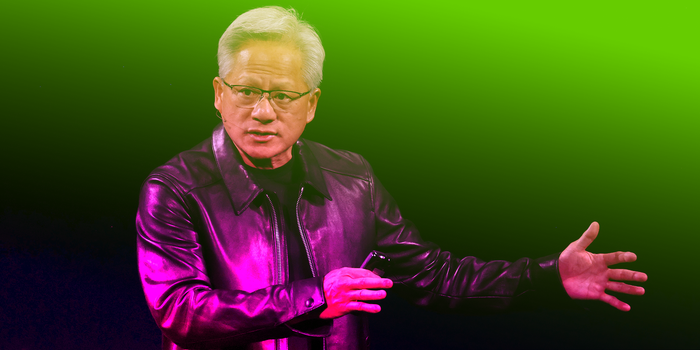
A meme circulated soon after Huang returned to Nvidia, blending his narrative with a prominent image from President Donald Trump’s political journey. It depicted Huang in a dramatic pose, altering the conversation about executive accountability.
Huang’s departure from Nvidia was due to serious allegations, including dishonesty to his board and inappropriate relationships with employees. Reports also depicted him as a harsh manager. Despite these allegations, support surged, not because of denial, but due to his perceived indispensability to Nvidia’s success in AI development.
The Nvidia board initially opposed Huang’s return. However, high-profile endorsements, including from President Trump, shifted perspectives. This decision signals changing values within corporate boardrooms, where results may begin to outweigh ethical considerations regarding leadership behavior.
Historically, severe repercussions awaited executives entangled in relationships with subordinates. Examples include Steve Easterbrook’s exit from McDonald’s and Bernard Looney’s resignation from BP. These instances exemplified an understood line between personal conduct and corporate propriety.
Critics argue that any hierarchy imbalance arises with undue influence within workplace relationships. Julie Roginsky of Lift Our Voices stresses the inherent inequity for subordinates in such scenarios.
However, Huang’s return offers an exception for powerful executives crucial to a company’s success. The overwhelming support he received, such as the petition signed by over 200,000 individuals, reiterates his unique role in the tech industry.
Jessica Kriegel of Culture Partners notes this change may foster dissatisfaction among non-executive employees. It suggests a tiered accountability structure where executive significance dictates rules.
High-profile leaders sometimes evade censure by reframing negative behaviors as strengths. This attitude persisted when discussing figures like Steve Jobs and Elon Musk. However, Nvidia’s explicit balancing of executive importance against conduct marks a significant departure.
Support within Nvidia remains strong. Upon his return, employees at the Santa Clara headquarters greeted him warmly, indicating internal backing. Chamath Palihapitiya commented positively on Huang, seeing his demands as a gateway to eliminating mediocrity.
Nonetheless, concerns linger that this represents a warning regarding executive impunity. It reflects a broader belief that corporate and societal systems may lack fairness. Robert Mason, CEO of SPOC Energy, emphasizes that leadership roles should entail higher accountability.
Huang vows to better his leadership approach this time around. Though he now appears without his trademark leather jacket, broader behavioral changes will remain crucial to observe.