Changes in U.S. Immigration Policy for H-1B Visa Holders
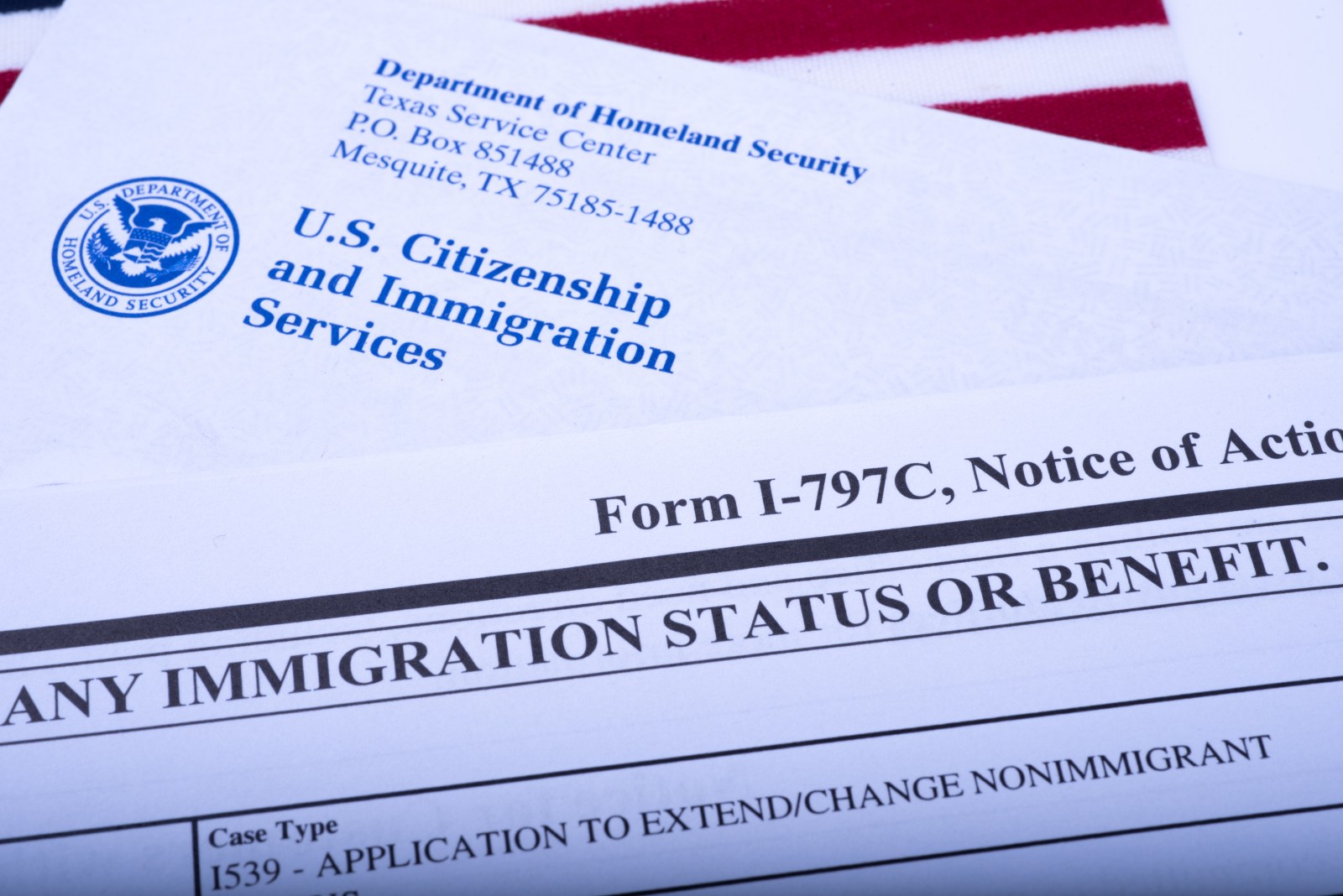
U.S. immigration authorities have clarified a significant policy from the Trump administration that might allow many H-1B visa holders to remain in the country while applying for a green card. This clarification follows a policy memo issued recently, which limits the ability of foreign nationals in the U.S. to transition to permanent residency without leaving the country. This change marks a major shift from previous immigration practices.
According to Zach Kahler, a spokesperson from the United States Citizenship and Immigration Services (USCIS), the agency is reiterating what it believes Congress always intended regarding the adjustment-of-status pathway. Applications contributing an economic benefit or serving the national interest might enable these individuals to continue their current residency process. Others may need to apply from abroad depending on specific circumstances.
A Shift in the Green Card Pathway
The administration’s new policy alters the path from temporary nonimmigrant status to permanent residency. Previously, adjusting status domestically was a common practice. However, USCIS now suggests that Congress did not intend temporary visitors, such as students, H-1B professionals, and tourists, to use their stay as a step toward a green card.
The agency is establishing consular processing abroad as the standard approach, with domestic adjustment reserved for exceptional cases. In a recent release, Kahler stated that most nonimmigrants would need to return to their home countries for this process unless extraordinary circumstances apply.
Kahler stated, “We’re returning to the original intent of the law to ensure aliens navigate our nation’s immigration system properly. From now on, an alien who is in the U.S. temporarily and wants a Green Card must return to their home country to apply, except in extraordinary circumstances.”
This stance marks a formal position that temporary visa holders should not adjust their status inside the U.S. without meeting specific exceptions.
Economic Implications and Operational Uncertainty
The policy’s impact depends on whether an applicant’s role meets the “economic benefit” or “national interest” criteria. This is especially important for H-1B visa holders, who are vital to industries like technology, engineering, and healthcare.
- Extended Travel Risks: Many applicants are from nations with visa backlogs or travel restrictions, meaning mandatory departure could leave them abroad for extended periods.
- Human and Corporate Toll: This policy may lead to prolonged family separations and disrupt operations for American employers.
- Lack of Regulatory Clarity: There is no clear timeline or detailed criteria for who can qualify for domestic processing exemptions.
What Is an H-1B Visa and Who Is Eligible
The H-1B visa is an employment-based visa allowing U.S. companies to hire foreign workers for up to three years, extendable to six years.
- Statutory Caps: The program allows 85,000 new visas annually, with 20,000 for those with a U.S. master’s degree or higher. Demand exceeds supply, leading to an annual lottery.
- Educational Criteria: Jobs must typically require a specific degree, which the worker must possess or have a foreign equivalent.
- Employer Obligations: Employers must offer roles meeting specialty-occupation standards, pay the prevailing wage, and secure Department of Labor approval before applying to USCIS.
What Happens Next
For years, temporary visa holders like students, H-1B workers, and tourists could adjust status domestically. This minimized family separation and job disruption. Now, this pathway is considered exceptional, with most applicants expected to return home to apply abroad.