Congress Faces Lapse in Key Spy Tool, Section 702 of the FISA
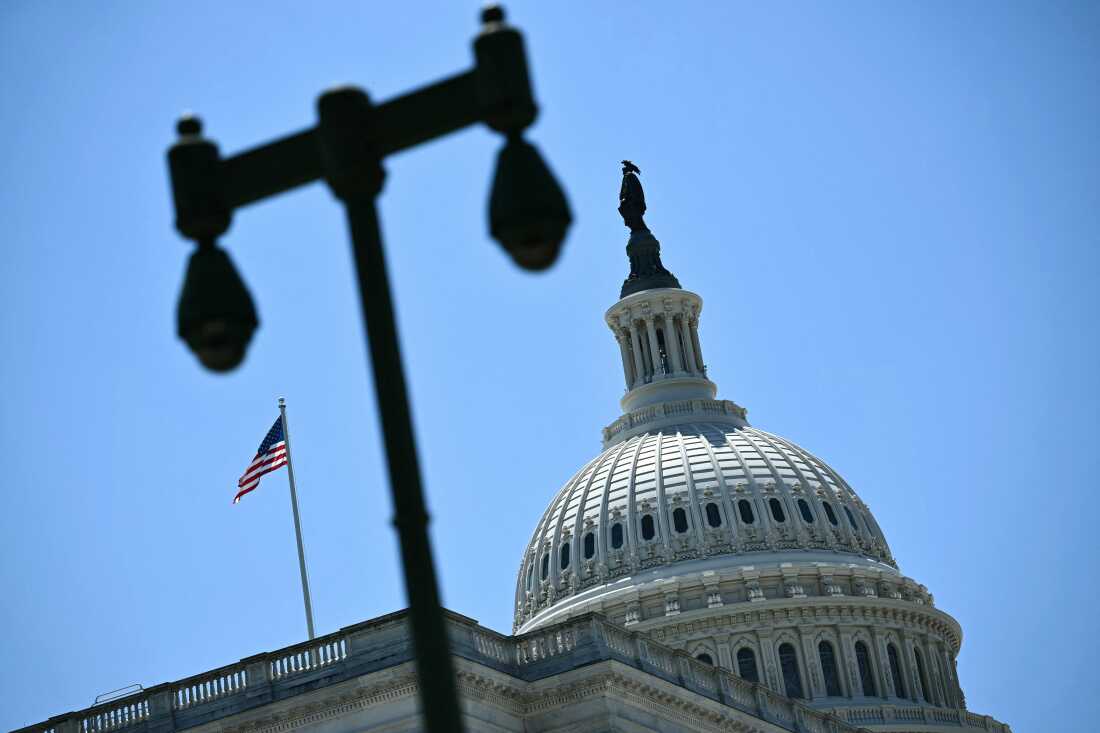
The U.S. Capitol dome was captured on June 4, 2026, amidst Congressional efforts to renew a key surveillance tool. These efforts failed before the House went into recess in Washington, D.C. Section 702 of the Foreign Intelligence Surveillance Act, vital for intelligence gathering, faces expiration.
Importance of Section 702
Section 702 allows American intelligence agencies to collect electronic communications from foreigners outside the U.S. It accounts for over 60% of the president’s daily intelligence briefing. Upon expiration, intelligence collection will still proceed due to annual federal court authorization. Companies will be legally required to continue cooperation with intelligence agencies.
Potential Challenges and Risks
Despite continued authorization, lawmakers fear potential legal challenges from communication companies. Such challenges, experts suggest, are unlikely to succeed. However, even a brief pause poses risks, especially before significant events like America’s 250th celebration and the World Cup.
Glenn Gerstell, former NSA general counsel, stressed that while not a critical risk, Congress could avoid issues by extending the statute.
Privacy advocate Elizabeth Goitein states that companies must comply post-lapse, facing fines if failing to cooperate. Previous case law suggests quick resolutions to any legal disputes. She calls for updates to the law with privacy and civil liberties in mind.
Reasons Behind Congressional Inaction
Section 702 has been contentious, with bipartisan calls for reforms to protect Americans’ privacy. The information of American citizens can be inadvertently collected, leading to concerns about federal law enforcement access without court oversight.
Reform advocates seek a warrant requirement for accessing Americans’ information. This year, efforts to extend the law faced setbacks due to disagreements on reforms.
The nomination of Bill Pulte as acting director of national intelligence sparked controversy. Critics within both parties worried about potential misuse of FISA information.
Political Fallout
Democrats, including Sen. Mark Warner, criticized the nomination and refused to reauthorize Section 702 while Pulte remained the choice. Concerns were echoed by Republicans like Senate Majority Leader John Thune, who called for professional leadership.
Efforts to extend the provision failed, and Congress adjourned without resolution. President Trump later nominated federal prosecutor Jay Clayton as a permanent Director of National Intelligence, leaving in question Pulte’s interim role.