Controversy Surrounding the Broadview Six: A Year Later
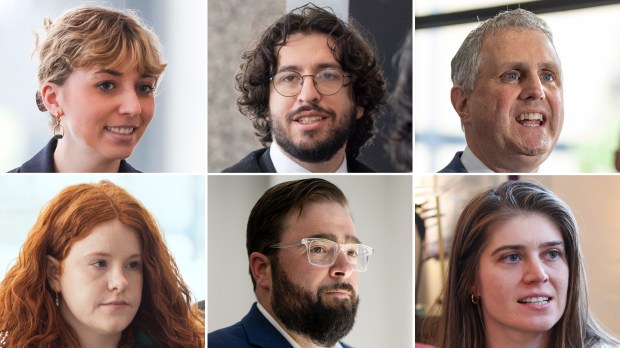
A significant drama unfolded in Chicago on the afternoon of October 23, 2025, amidst Operation Midway Blitz. A federal grand jury convened for the third time to decide whether to indict six individuals, known as the ‘Broadview Six’, accused in a conspiracy related to an immigration protest outside the ICE facility in Broadview. The grand jury’s proceedings had been conflict-ridden from the outset, with members questioning the justification for felony charges when no one was physically harmed during the protest, as revealed in the session transcripts.
In an unprecedented move earlier in the month, the panel had dismissed the charges. Tensions within the jury peaked when a member dismissed the case as ‘a crock of s—’ and withdrew from the discussions. Subsequent confusion led to a halt in voting as top officials in the U.S. Attorney’s Office intervened.
Persistent Doubts
The grand jurors continued to exhibit skepticism in the third session, despite U.S. Attorney Andrew Boutros encouraging them to prioritize legal obligations over personal sentiments. Concerns arose about the coherence of the alleged conspiracy and the physical involvement of the protesters with the agent’s car.
Assistant U.S. Attorney Sheri Mecklenburg acknowledged the complexity, saying, ‘I know. It’s a hard one. I agree.’ Her candid remarks provided insight into the challenging case. By day’s end, an indictment was finally issued against the six activists, marking them as the ‘Broadview Six’. The case was propagated by the Deputy U.S. Attorney General Todd Blanche as upholding the ‘rule of law’.
Legal Repercussions and Dismissal
Fast forward a year, the focus has shifted to scrutinizing the conduct of those enforcing the law. All charges against the activists were dismissed in May amid allegations of misconduct in the grand jury process led by Mecklenburg. Judge April Perry is evaluating if others in the U.S. Attorney’s Office obstructed justice, potentially leading to sanctions or even special counsel appointments.
Judge Perry has set an October 30 deadline for turning over internal communications that might indicate involvement from the U.S. Justice Department in Washington, an assertion Boutros’s office has denied. Required evidence also includes metadata related to the expedited transcript sent to Boutros after the first grand jury session.
The judge remains open to calling Boutros and other office members as witnesses, mandating testimony under oath.
Activists’ Experiences and Reflections
The former defendants have endured a tumultuous journey over the past year, oscillating between facing imprisonment and later being acclaimed as icons of resistance to then-President Trump’s immigration policies. For instance, Michael Rabbitt, who serves as the 45th Ward Democratic Committeeman, believes the government’s attempt to silence dissent was unsuccessful.
He and fellow defendants commemorated several significant anniversaries in recent weeks, reflecting on each phase of their ordeal. Rabbitt’s colleague, Oak Park Trustee Brian Straw, emphasizes the spotlight placed on Justice Department activities through their case, acknowledging the past year’s difficulties but valuing the resulting awareness.
Unusual Indictment and Revelations
The indictment against the Broadview Six remained confidential until the U.S. Attorney’s Office announced it on October 29. By then, the FBI alerted each defendant about the charges. Michael Rabbitt was vacationing in Spain and Portugal when informed. Initially dismissive of the news, Rabbitt soon realized the gravity and sought legal counsel to ensure proper processing upon his return.
Brian Straw similarly discounted an FBI call as a scam initially. The rapid escalation from peaceful protest participation to national news was disorienting, necessitating swift legal consultations and explanations to his family.
The charges, heralded as the most consequential against Midway Blitz protesters, drew political controversy. most defendants were linked to Democratic politics, intensifying the already fiery discourse around the charges.
Impact on the Justice Department
The indictment press release detailed accusations of obstructing an ICE agent’s vehicle. Statements from Boutros and Blanche emphasized repercussions for protesters who violate the law.
Defense lawyers criticized the indictment as politically charged retribution, pointing to undue influence from the Trump administration. They pressed Judge Perry for records exposing interactions with top Justice Department figures.
Despite public denials, prosecutors disclosed post-dismissal discussions between local and Washington DOJ officials regarding the indictment. Defense attorneys highlighted signs of early DOJ attention, noting social media calls for charges against the defendants shortly after the protest.
Judicial Inquiry and Broader Effects
Judge Perry has not established intentional misconduct but highlighted flaws in the prosecution, noticing discrepancies in representations made by Boutros’s office. She stated that uncovering misconduct is crucial, regardless if it reveals something illegal or merely embarrassing.
The aftermath of the case reverberated beyond the Broadview Six. Mecklenburg, suspended from her position, resigned amid claims of Boutros pressuring her for quick indictments. Her request to intervene in ongoing proceedings reflects the high stakes involving law licenses and potential repercussions.
Other cases within the justice system, unrelated to Broadview, have seen charges dropped due to resulting controversy. Reform efforts are reportedly underway within the grand jury process following significant criticism.
Despite procedural reforms, criticisms of Boutros’s handling of the incident persist. The trust in his office has been compromised, with judicial remarks emphasizing lingering distrust.
For the Broadview Six, the impact has been deeply personal. Threatening incidents, such as a call received at Straw’s residence, have left scars beyond the courthouse. Yet, the shared journey of transparency and resistance with family bolstered their resolve.
First Amendment Debate
Rabbitt and Straw underline the broader implications of their case on free speech and protest rights, stressing Perry’s ongoing efforts as vital to safeguarding democratic principles.
While personal struggles have been taxing, the collective experience advanced awareness of their cause and highlighted systemic issues. As anniversaries pass, both remain committed to seeking closure on the ordeal.