Controversy Surrounds Michigan Democratic Senate Nominee Abdul El-Sayed
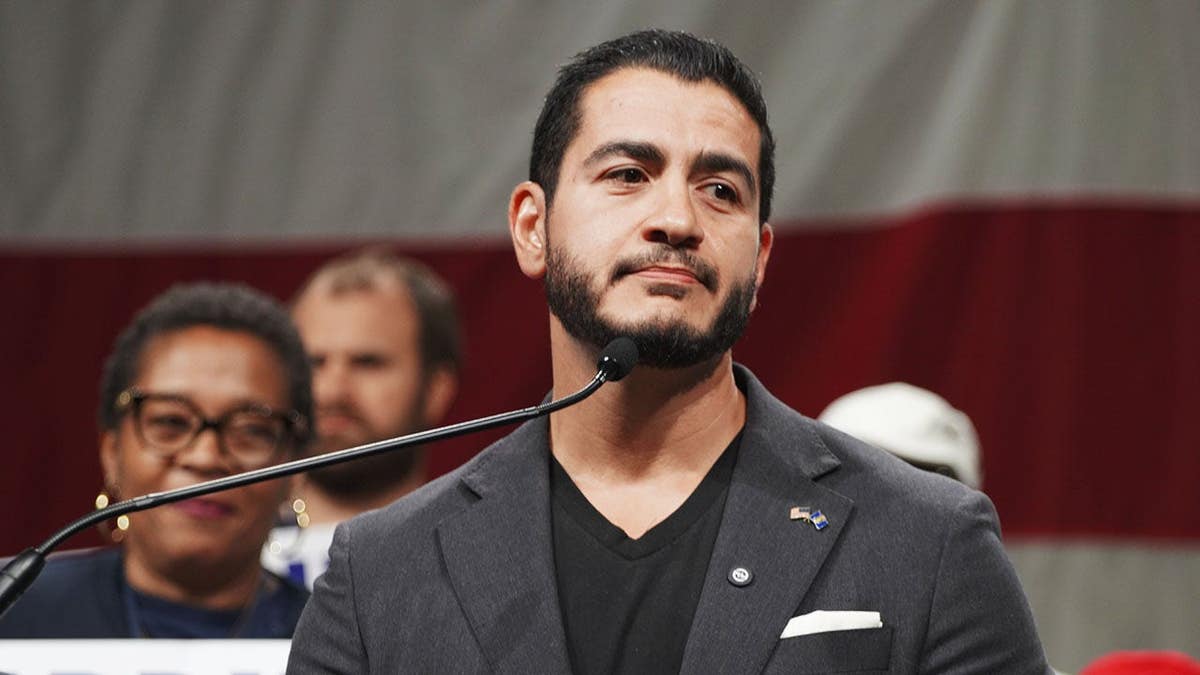
Abdul El-Sayed, the Democratic Senate nominee from Michigan, faces scrutiny due to past actions and associations. As the election against GOP candidate Mike Rogers heats up, El-Sayed confronts criticism for leading a protest in 2007. At that time, three speakers, Walid Shoebat, Zachariah Annani, and Kamal Saleem, known for their claims of being former terrorists turned Christians, spoke at the University of Michigan. The protest, reported by the Michigan Daily, focused on disputing the narratives provided by these speakers.
The speakers have been condemned by some experts for allegedly spreading misinformation and fabricating stories about their backgrounds with the Palestine Liberation Organization and the Muslim Brotherhood. The protest at the university was marked by a notable walkout led by students, including El-Sayed, who was then vice president of the Muslim Students Association (MSA), an organization with alleged ties to the Muslim Brotherhood.
El-Sayed’s campaign spokesperson, Cole Wozniak, emphasized that El-Sayed unequivocally opposes terrorism. He stated that two decades earlier, El-Sayed protested against these speakers due to concerns over misinformation. According to Wozniak, the current criticisms from Rogers and his allies divert attention from pressing issues like rising gas and grocery prices, attributed by some to former President Trump’s foreign policies.
Questions have arisen about the backgrounds of Shoebat, Annani, and Saleem. The New York Times highlighted criticism they faced before speaking at the Air Force Academy. Arab-American civil rights groups queried why these individuals, with alleged ties to terrorist groups, had not faced legal consequences. Event organizers for the university talk stated their aim was to educate people about Muslim extremism, although protestors accused them of generalizing Muslims.
The MSA, associated with the Muslim Brotherhood since the 1960s, plays a significant role on U.S. college campuses. This association has led to heightened scrutiny, especially with actions taken by Donald Trump’s administration, which sought to label specific Muslim Brotherhood chapters as terrorist organizations. This includes chapters in Lebanon, Jordan, and Egypt, linked to groups like Hamas and involved in regional conflicts.
Lara Burns, a senior research fellow at George Washington University, recently provided testimony to the Senate Judiciary Committee concerning the MSA’s historical connections to the Muslim Brotherhood. These ties remain a focal point in current discussions about the organization’s role in the United States.