Controversy Surrounds Wasserman Schultz’s Bid in South Florida District
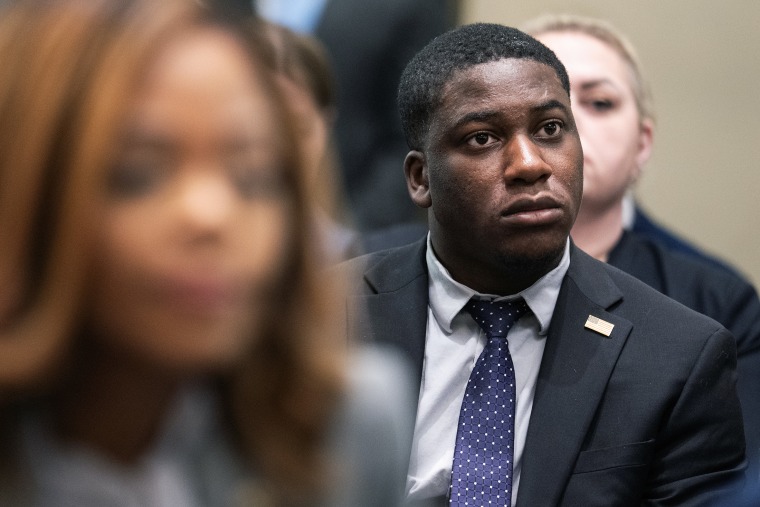
Rep. Debbie Wasserman Schultz is facing backlash from Black Democrats after opting to run in a redrawn South Florida district with a Black voter plurality and a crowded primary field. Florida’s political scene changed when Gov. Ron DeSantis signed legislation creating new congressional maps. Instead of seeking re-election in her current 22nd District, Wasserman Schultz chose to run in the more Democratic-leaning 20th District, previously held by a Black Democrat. This decision sparked anger among Black leaders and candidates, particularly in light of recent attempts by Republicans to erase districts long held by Black Democrats following a Supreme Court ruling limiting race consideration in map drawing.
Four Black candidates in the primary considered consolidating support behind one or two individuals to challenge Wasserman Schultz without splitting the Black vote, noted a meeting participant. Wasserman Schultz, a seasoned lawmaker with 11 terms in office and a former Democratic National Committee chair, justified her candidacy by emphasizing her seniority’s potential benefit if Democrats regain control of the House. “You have always been able to count on me to deliver results for our community,” she stated in her candidacy announcement video, highlighting her “seniority” and “clout.”
House Minority Leader Hakeem Jeffries, a candidate for the first Black House speaker if Democrats win, hasn’t decided on endorsing any candidate in the race. Despite pressure to support incumbents, his decision remains pending. Asked about Jeffries’ stance, Wasserman Schultz responded, “He didn’t say that,” before quickly leaving for the House floor. In a later statement, she expressed gratitude for her support within the district. “I’ll continue to talk with Broward voters and make my case that I’ll be the most effective representative,” she said.
Black Democratic congressional members criticized her decision. Rep. Jasmine Crockett of Texas remarked, “If I were in her shoes, I wouldn’t do it, but I’m not her.” The decision also upset Black Democrats in Florida. Elijah Manley, a Florida 20th District candidate, expressed disbelief that “a white Democrat would be the one to take away a Black seat.” Manley, a teacher and activist, initially entered the primary, joined by other Black candidates like rapper Luther “Luke” Campbell and former Broward County Mayor Dale Holness.
Financial constraints also play a role. While Wasserman Schultz has raised $2.5 million through March, Manley collected $780,000, showcasing her financial edge. For nearly 30 years, a Black Democrat represented the 20th District. The seat became vacant after Rep. Sheila Cherfilus-McCormick resigned amid ethics violations and federal indictment; she is running again. Before Wasserman Schultz’s decision, Campbell warned against multiple Black candidates splitting the vote in a video titled “Divide and Conquer.” Meeting attendees discussed reducing the candidate field to match Wasserman Schultz head-to-head, with no final decisions made. “We need to do everything we can to bring the number of candidates down,” Manley said.
A South Florida Black Democratic official, anonymous for candid discussion, emphasized that “egos” should not hinder consolidation. Holness shared that he provided polling data suggesting Wasserman Schultz could win the 22nd District, urging her to consider that seat instead. “It is disappointing that she was not sensitive to the call by many in the community,” Holness stated, adding a consensus recognizes Wasserman Schultz as the likely winner without changes. A consolidation decision might come soon.
Wasserman Schultz mentioned that the Congressional Black Caucus did not oppose her campaign during discussions, saying, “They know I know our community.” However, Congressional Black Caucus Chair Yvette Clarke characterized the communication as informational rather than a discussion, with “consternation” resulting. “Thanks for informing me,” Clarke said of the exchange. The CBC has not further commented publicly. Black residents form 50% of the voting pool in the Democratic primary for the 20th District, located in Broward County.
The demographic setup designed to benefit Black Democrats explains the intense backlash against Wasserman Schultz. “With aggressive redistricting weakening minority voting strength in Florida, preserving Black political representation is essential,” stated the Democratic Black Caucus of Florida.