Debate Over Horse-Drawn Carriage Rides in Central Park
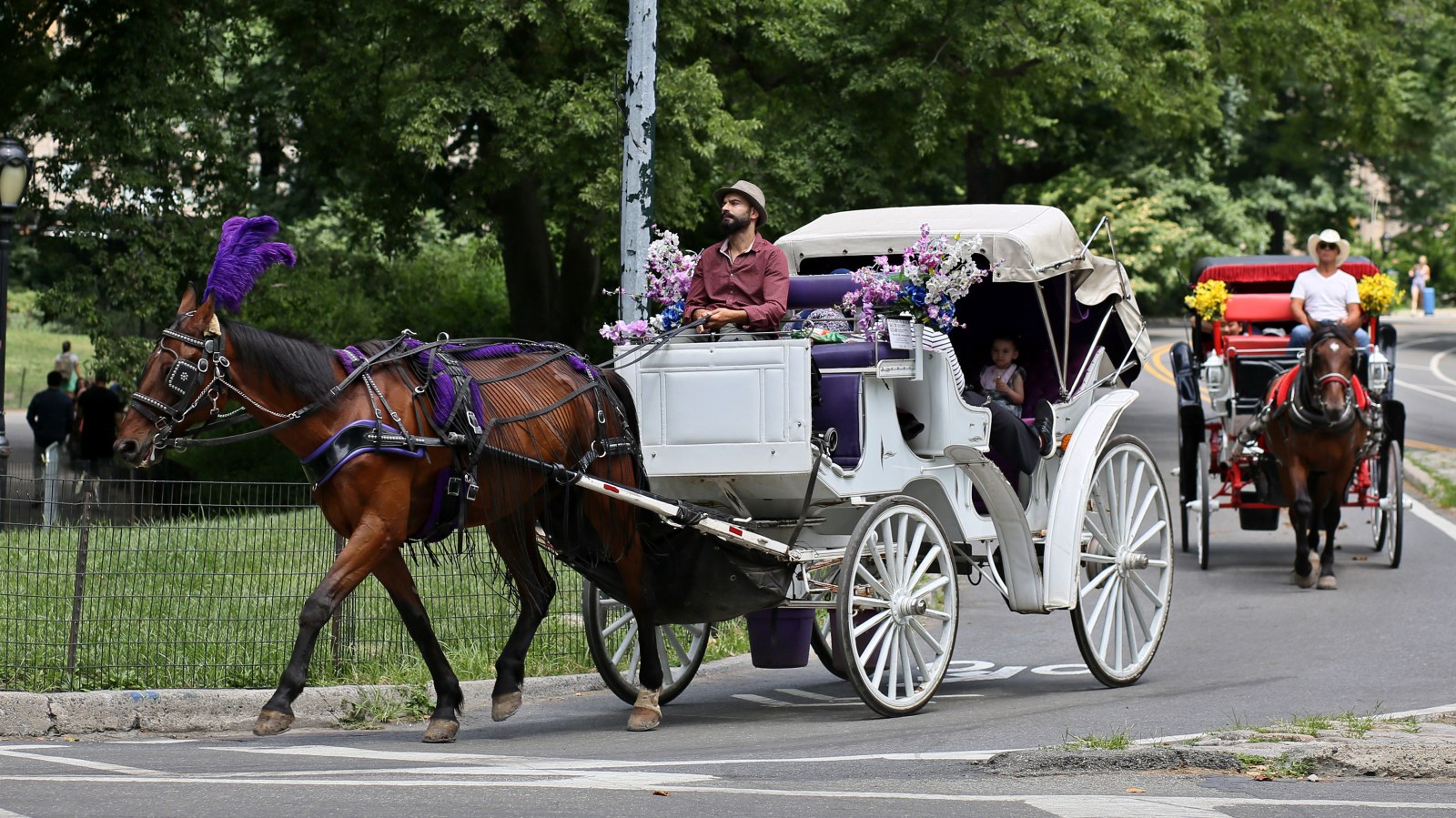
Horse-drawn carriage rides have long been a feature of New York City since the mid-1800s. Recently, the tragic death of an 18-year-old tourist has intensified discussions around banning this activity.
Ryder’s Law Explained
Ryder’s Law aims to phase out horse-drawn carriages in New York City, replacing them with electric alternatives. Named after a horse that collapsed in Manhattan in 2022, the legislation was motivated by public outrage following the animal’s death. Though previously supported by animal welfare groups and officials, the proposal did not advance in the City Council. Recent incidents have renewed efforts to push the legislation forward, now renamed Romanch’s Law in memory of the deceased tourist.
Mayor Zohran Mamdani has voiced support for ending horse-drawn carriage rides.
Recent Carriage Incidents
A 16-year-old horse named Deniz recently died after consuming a toxic plant, sparking debate over carriage safety. The plant’s ingestion raised questions between carriage operators and park management. Additionally, the incident involving Romanch Mahajan, where a horse bolted, causing a fatal accident, has drawn national attention and criticism. This accident, along with others highlighted by the Central Park Conservancy, underscores the perceived dangers of current practices.
Historical Context of Carriage Rides
Horse-drawn carriages have been part of New York City since the 19th century. They started as essential transport and evolved into a key tourist attraction over time. Despite their longstanding presence, critics argue that safety and animal welfare issues need addressing. Both sides of the debate offer strong arguments about tradition versus modern safety standards.
Existing Regulations for Carriage Horses
The city regulates carriage horse operations extensively. Key rules include:
- Carriage horses work no more than nine hours in any 24-hour period.
- Riding horses work no more than eight hours in any 24-hour period.
- Horses receive a minimum of five weeks off each year.
- Veterinary exams are required regularly.
Following recent events, the union suspended rides for additional driver training. Discussion continues about whether current regulations can ever ensure complete safety or if a total ban is necessary.