DNA Analysis Identifies Franklin Expedition Crew Members
Texas archaeologists Arlen Chase and Diane Chase recently made a significant discovery. They unearthed the tomb of Te’ K’ab Chaak, who was the earliest ruler of Caracol, a major Mayan city located in Belize. This tomb dates back to the 4th century.
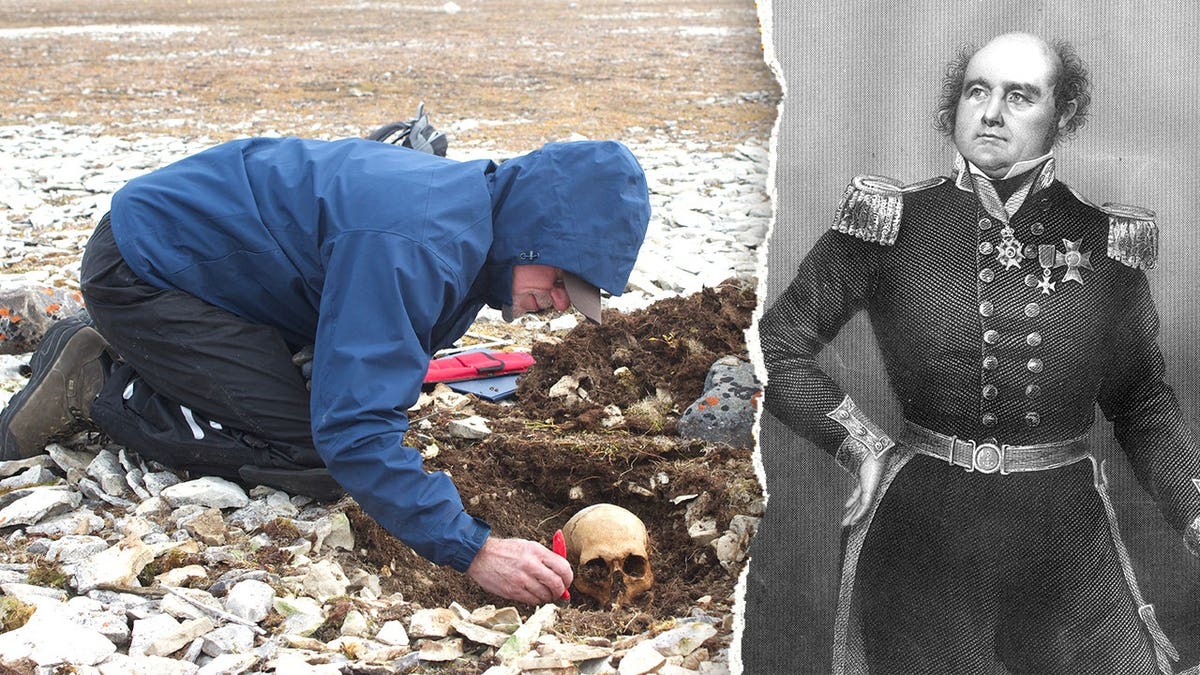
Meanwhile, new research involving DNA analysis has provided insights into one of history’s most tragic events, the Franklin expedition. Led by the University of Waterloo, the study identified four additional crew members from the ill-fated Arctic journey.
Identified Crew Members
The analysis identified William Orren, Able Seaman; David Young, Boy 1st Class; John Bridgens, Subordinate Officers’ Steward; and Harry Peglar, Captain of the Foretop on HMS Terror. These findings were made as part of ongoing efforts to learn more about the expedition.
“All 105 died trying to escape,” stated the University of Waterloo.
The findings were detailed in the Journal of Archaeological Science: Reports. DNA analysis linked skeletal remains from Franklin expedition sites with DNA from living descendants.
The Franklin Expedition
The Franklin expedition, led by Sir John Franklin, began in 1845 with 129 men. They boarded HMS Erebus and HMS Terror to chart the Northwest Passage. However, in September 1846, the vessels became trapped in ice near King William Island in Nunavut. By April 1848, the surviving crew abandoned the ships, trying to escape on foot, yet none survived.
Previous research had identified two crew members, John Gregory and Captain James Fitzjames, bringing the total identified members to six.
Challenges and Discoveries
The expedition faced numerous challenges, as noted by Douglas Stenton, one of the study’s co-authors. Extreme cold, limited sailing season, physical and mental health strains, and risks from working in harsh conditions all contributed to the crew’s plight.
DNA analysis provided unexpected results, such as evidence of cannibalism on Captain James Fitzjames’ remains. Researchers also found most identified sailors near two boats less than 1.25 miles apart along Erebus Bay.
Harry Peglar’s identification was unexpected since his body was dressed as a steward, leading to earlier misidentifications. Stenton explained that Peglar might have been demoted due to misconduct, hence his steward attire.
Preserving and Analyzing DNA
Extracting DNA was difficult due to deterioration over time. Teeth, which preserve DNA better, were mainly analyzed.
The Northwest Passage held promise as a trade route between the Atlantic and Pacific, and the expedition aimed for major prestige for Britain if successful. Future steps involve working with genealogists and descendants to identify more crew members.
Stenton highlighted the importance of this DNA research for understanding the catastrophic loss of life and providing closure for descendants. He emphasized that descendant involvement in research is fitting, given how closely connected they are to the historical events.