Economic Challenges Under Trump’s Second Term
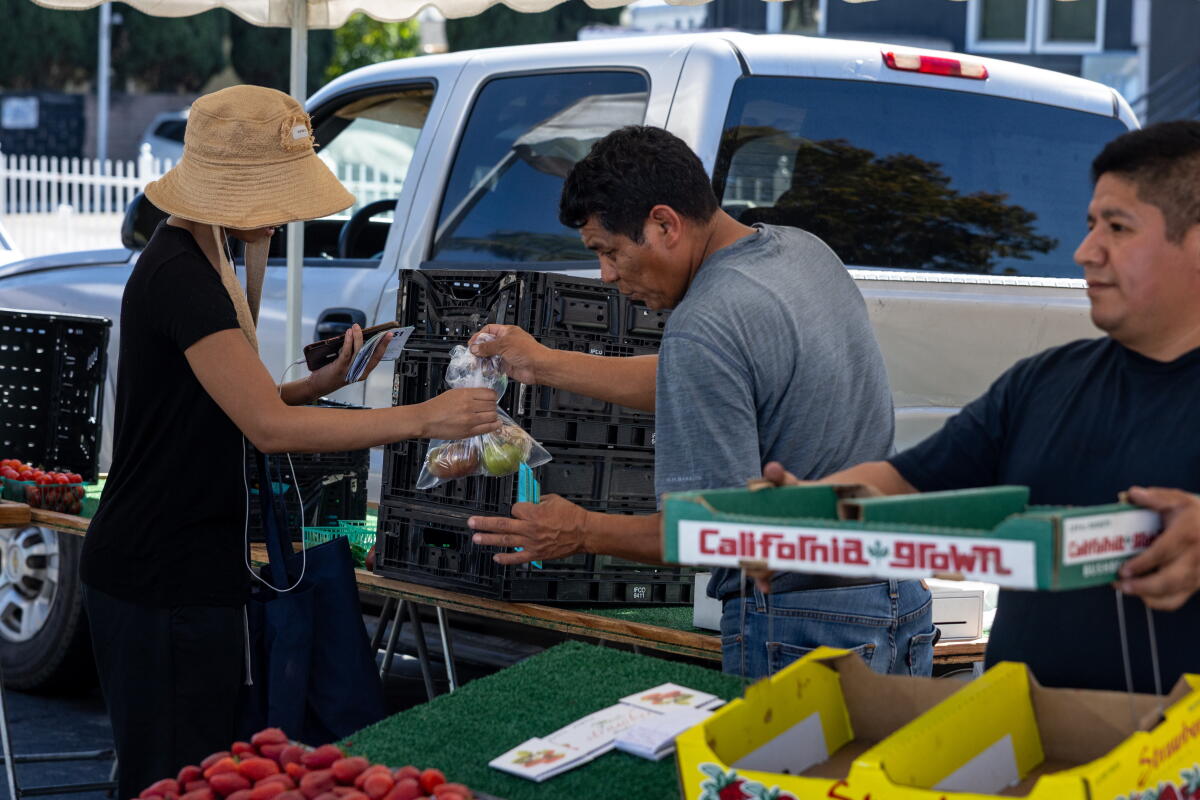
The ongoing trade war initiated by President Trump is impacting the U.S. economy by increasing the prices of everyday goods. The conflict with Iran is adding to the economic pressure by causing fluctuations in gas prices. Aggressive tax cuts have resulted in the national debt surpassing $40 trillion, which is contributing to a crisis in the bond market. Furthermore, a rigorous immigration crackdown is affecting labor availability in sectors like agriculture, construction, hospitality, and food processing, causing further price increases.
As Trump nears the midpoint of his second term, he faces increasing scrutiny ahead of the midterm elections, largely due to economic issues. Although he was reelected on promises of economic improvement, his policies are proving challenging for Republicans as the elections approach. Lawmakers are having difficulty defending strategies that have brought political hardship even as the administration argues for their long-term benefits.
Public opinion on Trump’s economic performance remains low. As of Labor Day weekend, less than a third of Americans supported his handling of the economy. A recent poll from the University of Massachusetts Amherst indicated only 22% believed the economy was in a good or fair condition. American confidence in the economic future is expected to remain low, partly because negative economic news tends to rapidly decrease confidence compared to how long it takes for positive news to restore it.
Aaron Klein, who chairs the economic studies at the Brookings Institution, noted that voter opinions on the economy solidify during spring and summer, not in November. Positive economic news has been scarce, with Trump dismissing communities opposed to data-center projects as ‘backward and poor.’ The escalating trade dispute with Canada threatens Republican control in pivotal battlegrounds, impacting products like hockey equipment imported from Canada.
A survey revealed over 90% of Americans believe corruption is prevalent in Trump’s government. The president has invested substantially in various projects in the capital. Maine Senator Susan Collins, running for re-election in a key race, criticized the tariffs with Canada, calling them a hindrance to re-election efforts.
Despite criticisms, Trump touts the U.S. economy as the greatest ever and highlights a manufacturing boom. Even though Trump himself is not on the ballot, Rep. Mike Johnson of Louisiana noted that the elections act as a referendum on Trump’s presidency and its priorities. Many Republicans, such as Reps. Tom Barrett and Zach Nunn, are distancing themselves from the president by planning to skip a GOP convention in Texas.
Joanne Hsu, director of the University of Michigan’s Survey of Consumers, emphasized that the persistent conflict with Iran significantly affects consumer sentiment, primarily due to rising gas prices. She mentioned that resolving the Iran conflict might not quickly change economic confidence since price reductions at gas stations take time to materialize in public perception.
During a White House briefing, Vice President JD Vance acknowledged the spike in gas prices due to the conflict with Iran, but he refrained from promising a timeline for price reduction. The highest diesel prices hit $5.85 a gallon, with California witnessing prices as high as $7.71. Trump minimized the pressure from the war, noting the continued operation of the Strait of Hormuz and his deal with Venezuela to potentially lower oil prices. When asked about the timing, Trump expressed confidence in voters’ understanding of economics beyond election day.
For many, these economic pressures are a major issue for the midterms. Home care provider Monica Escalante from Bakersfield is one such example, as she struggles with expenses after Trump’s tariffs and the onset of the Iran conflict. With limited mileage reimbursements, she is challenged to cover gas costs for both her and her client.