Economic Consequences of the Iran Conflict on American Households
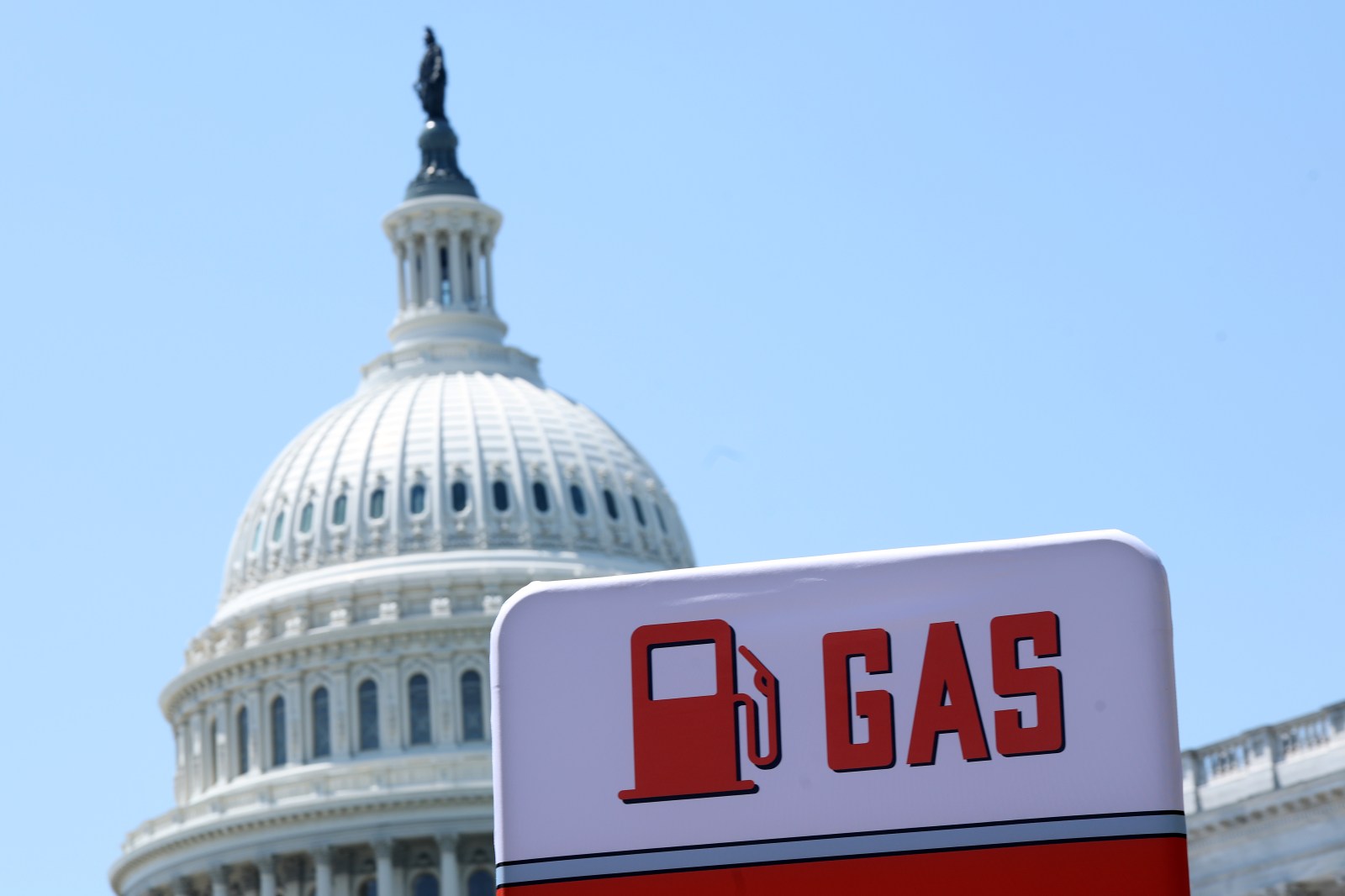
The ongoing conflict in Iran has led to a rise in fuel prices. This surge acts like a new long-term tax on American families, according to warnings from economists. The nearly three-month conflict might cause inflation to rise across various sectors, potentially affecting interest rate hopes for 2026. These concerns align with the recent consumer price index (CPI) from the Department of Labor, which indicates inflation surpassing wage growth for the first time since 2023.
“Americans might face this ‘Iran tax’ for months, and likely years,”
says Justin Wolfers, an economist at the University of Michigan’s Gerald R. Ford School of Public Policy.
Impact on Consumers
The war’s primary price impact lies in energy. Oil prices have increased significantly since Iran began obstructing ships in the Hormuz Strait, which typically handles around 20% of global oil supply. This has resulted in elevated domestic costs at gas stations. According to AAA, the national average price for regular unleaded fuel rose from below $3 to $4.49 per gallon, dipping slightly amid hopes for negotiation breakthroughs.
Research from Brown University’s Watson School of International and Public Affairs shows consumers have paid nearly $48 billion more for fuel since the conflict began on February 28. This escalation, mainly in gasoline but also in diesel—up over 50%—imposes an average cost of $364.40 per U.S. household. Roger A. Pielke Jr. from the American Enterprise Institute (AEI) notes that combined impacts from gas and products like jet fuel and fertilizer lead to households paying approximately $410 extra monthly on average.
The increase in prices at the pump and grocery stores has heightened consumer inflation expectations, with year-ahead forecasts climbing to 4.8% in the University of Michigan’s latest survey. Official forecasts from the Department of Agriculture also predict that various goods will become more expensive than previously expected.
Long-Term Economic Effects
The government asserts that once military objectives are fulfilled and the war ends, fuel and commodity prices will return to pre-conflict levels. In April, President Donald Trump claimed prices would “drop like a rock” once the war ends and assured that prices “are going to tumble.” In May, Kevin Hassett, the National Economic Council director, stated that normal shipments through the Hormuz Strait would lower fuel costs “relatively quickly” before the midterm elections in November.
Challenges of Ending High Prices
Despite this optimism, many analysts believe economic impacts might persist, even with a swift resolution. “Even if the war ended tomorrow, oil prices would still reflect a risk premium due to concerns that Iran could block the Hormuz Strait and disrupt global oil production,” says Mark Zandi, chief economist at Moody’s Analytics.
Mark Blyth from Brown University highlights that the strait’s closure has interrupted supplies of plastic, petrochemicals, and fertilizers, pushing food prices up as farmers deal with tighter margins. “Even if these interruptions stopped tomorrow, supply normalization could take up to a year,” he says.
Last week, Justin Wolfers remarked on MS Now that although the war’s end would reduce fuel costs, the decline might not be instant. According to Wolfers, governmental assurances of immediate price drops are accurate, yet oil prices “are not going to come down very quickly.”