FAA System Modernization Faces Challenges Beyond Funding
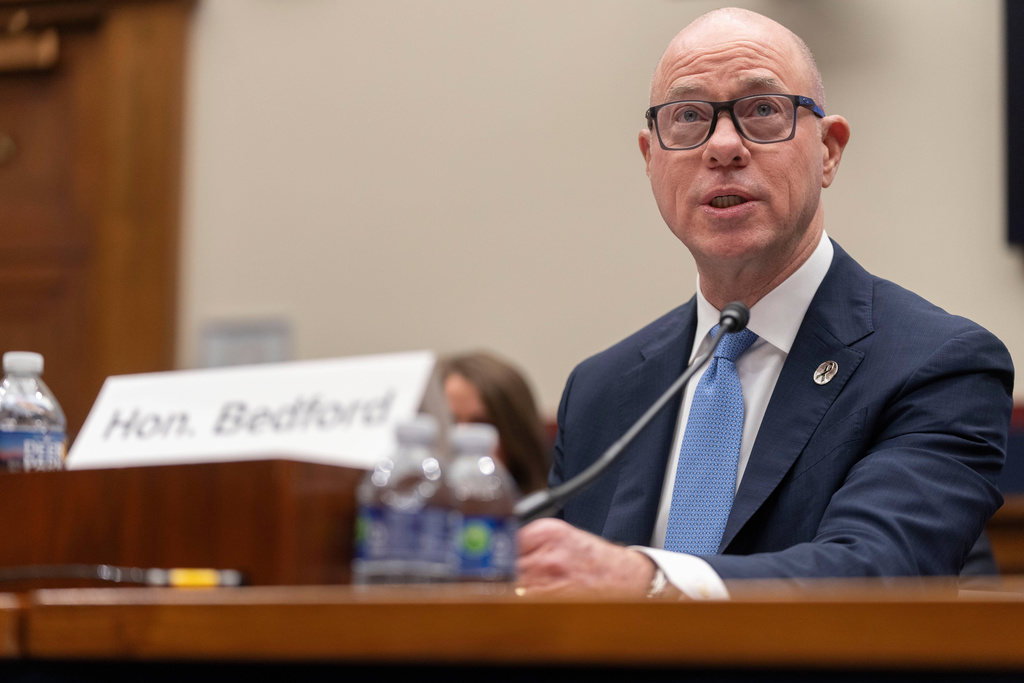
FAA Administrator Bryan Bedford addressed the Aviation Subcommittee of the House Transportation and Infrastructure Committee on a significant issue. On September 21, the FAA’s Philadelphia approach control, known as TRACON, experienced a failure in an aging circuit. The system switched to its backup, only to find a fiber cut by a construction crew in New Jersey. This incident led five major Northeast airports – Newark, Teterboro, Philadelphia, LaGuardia, and Kennedy – to halt operations.
Jackson Shedelbower, in an October 1 op-ed, highlighted this event as a reason for Congress to approve a $30 billion request from Transportation Secretary Sean Duffy. The request aims to modernize air traffic control systems. I spent 23 years in various FAA air traffic control roles and understand the need for modernization. However, Shedelbower’s argument overlooks key lessons.
The equipment’s age is undeniable, and the faulty circuit was due for replacement. Controllers and technicians maintain the system with skill and dedication, requiring better tools. Congress should fund these improvements, which are supported by the controllers’ union, airlines, and pilots. However, Shedelbower’s evidence shows that while two-thirds of old copper has been replaced with fiber or wireless links, the recent meltdown occurred via a fiber cut. A backhoe doesn’t discriminate between copper and glass. Beyond modern systems, the solution lies in having alternative routes into control facilities.
FAA Administrator Bedford acknowledged this, explaining that while fiber is being laid, the same 50-year-old data architecture persists. Resilience relies on separate physical routes, tested backups, and systems that manage failures gracefully. While money is crucial, design improvements are necessary to prevent future incidents.
There was a previous attempt to modernize communication paths after outages in Newark in early 2025. Despite installing new fiber between New York and Philadelphia for redundancy, the system failed again at Philadelphia TRACON. This illustrates a recurring issue, not with the lines, but the facilities.
Since 2003, the NextGen program promised similar upgrades, but only 16% of expected benefits were delivered despite costing over $15 billion of FAA funds. Issues like undefined requirements, ambitious plans, and dependencies on airline schedules plagued the project. The current upgrade effort mirrors this pattern, with Congress allocating $12.5 billion in July 2025. Bedford stated phase one is projected at $16 billion, with the new request totaling $42.5 billion, exceeding last year’s estimate of $31.5 billion.
The Government Accountability Office noted that the FAA’s phase one cost estimate excludes many expenses. Only a fraction of the new $30 billion budget targets air traffic control improvements, while the remainder will fund other areas like towers and runways. None of these budgets address the specific failure causes.
Human resources also play a critical role in modernization. Controllers must learn new systems while managing current traffic, and technicians must handle both old and new systems until conversion is complete. My experience directing facility training shows transitions pose risks, with automation increasing workloads initially. Phase one is scheduled for December 2028, but the FAA manages numerous projects without consolidating schedules to alleviate controller burdens, potentially creating new hazards rather than alleviating old ones.
While funding is necessary, it should come with conditions. Ensure critical facilities have multiple physical routes, verified through tests. Disburse funds based on reaching milestones, with oversight from the inspector general and GAO. Include controller training and technician staffing in the funding legislation, and require a complete lifecycle cost assessment before approval.
Shedelbower mentions the need for investment and oversight; the second is where we must focus. Travelers weary of delays need more than funding as a solution. A viable plan must be implemented to prevent issues like those caused by a backhoe.
Vincent E. Bianco III is principal consultant at Marivin Consulting Services LLC and former FAA air traffic control professional with two decades of experience.