Federal Judge Approves Release of Biden’s Audio Recordings Despite Objections
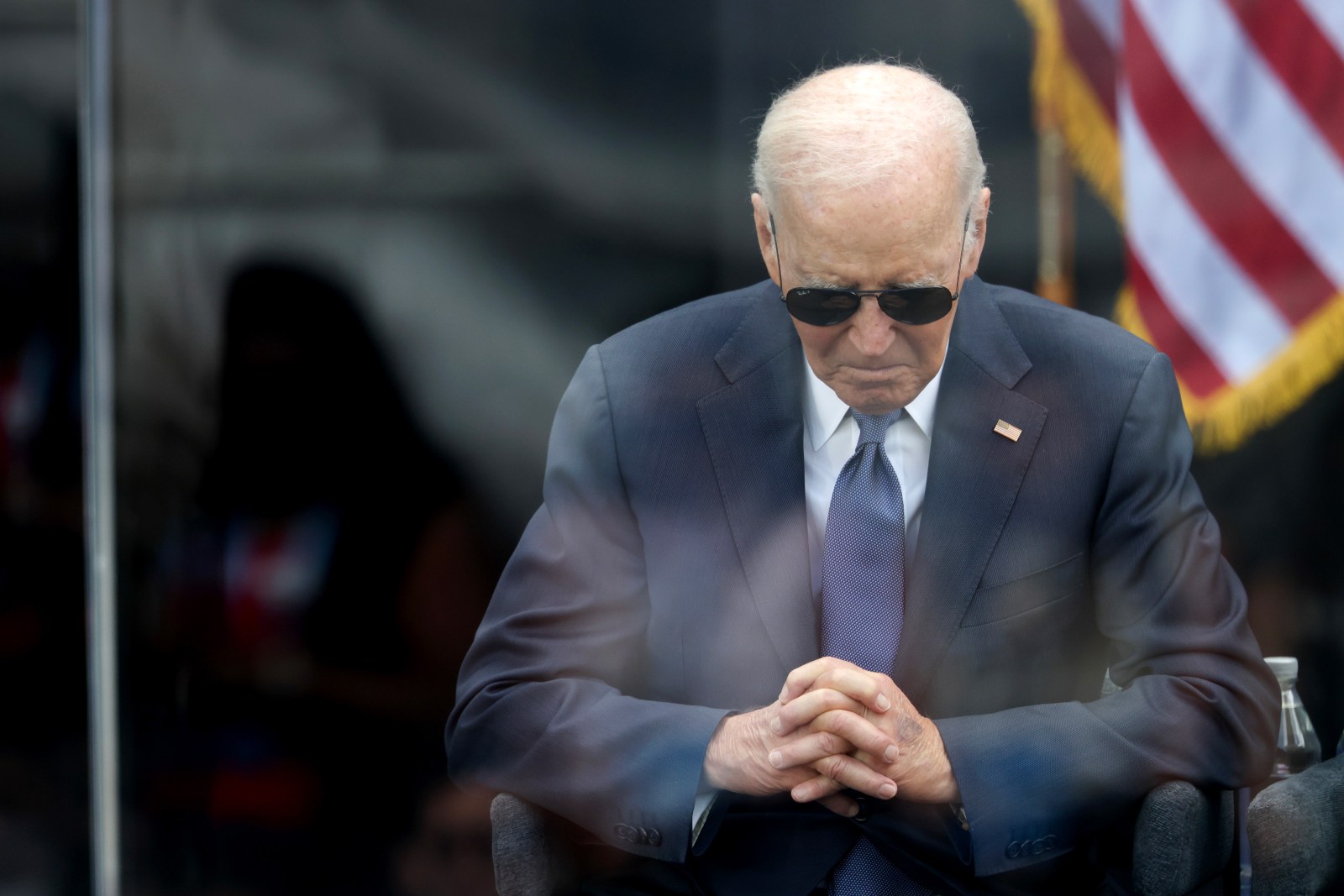
A federal judge appointed by former President Donald Trump rejected Joe Biden’s attempt to prevent the release of audio recordings and transcripts related to a probe into his handling of classified documents. U.S. District Judge Dabney L. Friedrich decided that the public deserves access to essential evidence behind the Department of Justice’s (DOJ) choice not to charge Biden, even though the evidence involves private discussions with his ghostwriter for a 2017 memoir. This material is critical for understanding the prosecutors’ approach to this significant investigation. As a result, the DOJ can share these materials, with redactions, with The Heritage Foundation, a conservative think tank, and Congress.
Newsweek has contacted both The Heritage Foundation and Biden’s office for their comments.
Background of the Case
The Heritage Foundation filed a Freedom of Information Act (FOIA) request for documents used in special counsel Robert Hur’s investigation into Biden’s handling of sensitive documents. Initially, the Biden administration’s DOJ resisted releasing certain audio recordings and transcripts, which involved interviews with Biden’s ghostwriter, Mark Zwonitzer, citing privacy exemptions under FOIA.
However, following the presidential transition, the DOJ under Trump’s administration authorized their release with redactions. Biden intervened as a private citizen, contesting that this action breached privacy protections.
Reasons for Denying Biden’s Request
The legal conflict over the 70 hours of audio from Biden’s memoir centers on the distinction between personal reflections and federal enforcement records. Mike Howell, president of Heritage’s Oversight Project, claimed in Politico that the tapes would expose the alleged facade of Biden’s capability for office and his disclosure of classified information.
Biden’s legal team contended that releasing the recordings would be an “unwarranted invasion of privacy,” highlighting that the discussions happened at his home and included personal topics, such as the death of his son, Beau Biden. They argued that when the DOJ incorporates private material into an investigation, it must protect it from public exposure.
Biden’s spokesperson, TJ Ducklo, emphasized that Biden had cooperated with Special Counsel Hur, agreeing to provide audiotapes to his biographer under the condition of privacy. Ducklo criticized the release as politically motivated.
Judge Friedrich concluded that the redactions sufficiently addressed privacy concerns. She stated that Zwonitzer’s materials did not cover highly sensitive issues or mention non-public individuals. The court ruled that the public’s interest in understanding the special counsel’s prosecutorial boundaries surpassed privacy claims.
Next Steps and Potential Implications
Biden’s representatives are seeking a stay on the order, intending to quickly appeal to the D.C. Circuit Court of Appeals. They may file an emergency stay to halt the DOJ from sharing the files while the court examines the privacy issues.
If the D.C. Circuit does not intervene, it could pave the way for similar cases regarding private conversations obtained during federal probes. Although Friedrich’s decision allows the Trump administration’s DOJ to prepare the files for release, the potential appeal could delay public access to the recordings further.