Federal Reserve Holds Interest Rates Steady Amid Inflation Concerns
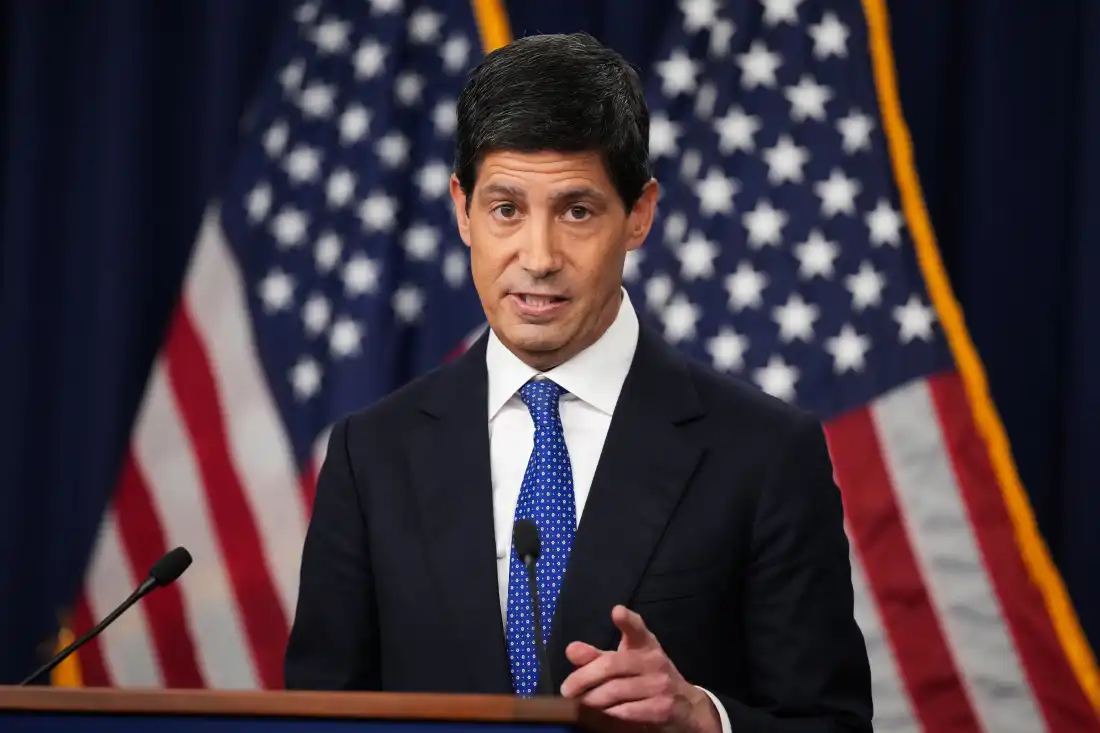
The Federal Reserve, led by Chairman Kevin Warsh, decided to maintain its benchmark interest rate on Wednesday. This follows a rate increase in September aimed at controlling ongoing inflation. The central bank emphasized its commitment to ensuring price stability, a challenging goal due to increased energy prices linked to the U.S. conflict with Iran.
The Fed’s rate-setting committee acknowledged that inflation remains a significant issue. Data shows consumer prices rose 3.7% in September compared to the previous year, marking a higher increase than the month before. Dan North, a senior economist at Allianz Trade, commented, “That inflation line is going up, not down.”
The Federal Reserve’s decision to hold rates comes just days before the midterm election, possibly influencing their cautious approach. North noted, “It would be suspicious if there were a hike before the midterm.”
Future Rate Hike Possible in December
The Fed is expected to consider raising interest rates at its December meeting to help control inflation and manage demand. Two committee members, Fed Governor Lisa Cook and Beth Hammack from the Cleveland Federal Reserve Bank, voted for a rate increase of a quarter percentage point on Wednesday, but the majority chose to keep rates unchanged.
Currently, the Federal Reserve’s benchmark rate ranges from 3.75% to 4%, influencing the costs of short-term loans like credit cards. Although long-term rates are set by the bond market, Fed decisions can impact them. For instance, mortgage rates have recently hit a three-year high of 7.4%, although they have slightly decreased since then. This high cost of home loans has contributed to a four-year downturn in the housing market.
Economic Impact of AI and Consumer Spending
Other parts of the economy show resilience to rising rates. The investment momentum in artificial intelligence, for example, continues despite the Fed’s efforts. According to North, “The A.I. companies don’t care what interest rate they have to pay.” The construction of AI data centers is driving up costs for materials and equipment.
Consumer spending remains strong, supported by affluent shoppers benefiting from stock market gains. However, less affluent families struggle as their wages fail to keep up with living costs. Average wages rose only 3% over the past year ending in September. Mark Zandi, chief economist at Moody’s Analytics, explained, “Lower and middle-income Americans are having a real struggle. Their purchasing power is actually declining.” This situation leaves many Americans feeling uneasy about the economy.