France Enforces Curfews Amid Unrest
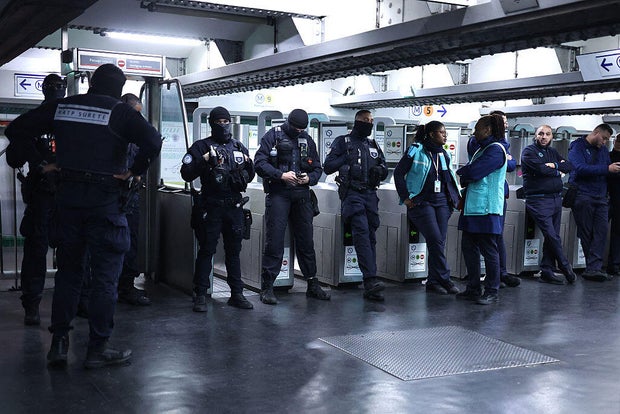
French authorities are intensifying curfews and boosting police forces in response to recent riots that have seen buildings torched and businesses looted. President Emmanuel Macron’s administration is striving to restore stability, though addressing the core issues spurring protests remains a challenge. The unrest, now enduring for five weeks, highlights demands for improved schools and relief from the climbing cost of living. The government’s struggle with escalating debt and a divided parliament complicates resolutions.
Curfews and Police Measures
Prime Minister Sébastien Lecornu announced plans for a significant police presence before upcoming demonstrations on October 24. This decision follows Interior Minister Laurent Nuñez’s admission of underestimating the earlier protests’ intensity. By Monday, authorities had detained over 2,500 individuals after violent outbreaks, including the burning of Limoges’ historic town hall. Nightly curfews are now in place around Paris’ Place de la République and Les Halles, with similar restrictions in Lyon and other cities. Monday night remained calm in both Paris and Lyon as officials extended these measures.
Macron stated, “We will distinguish between peaceful protestors and those who engage in violence.” He vowed accountability for “radical far-left groups” and “criminals.”
Political Gridlock and Financial Strain
The protests began in mid-September, sparked by students and teachers in Paris suburbs demanding better educational conditions. Trade unions and Yellow Vest activists joined, broadening the movement to include grievances over living costs and declining public services. The Ministry of National Education responded on October 8 by announcing the deployment of over 3,000 substitute teachers to understaffed high schools and approving additional hires. Yet, ongoing financial issues and political stalemate hinder more extensive reforms.
France’s debt reached nearly 3.6 trillion euros by June, representing 119% of yearly economic output. The government predicts this year’s deficit will hit 5.4% of economic output, with aims to reduce it to 5% by 2027. Expected interest payments will rise by 12 billion euros next year, reaching 91.2 billion euros, putting further strain on public funding.
Macron’s political allies lack a parliamentary majority, complicating financial planning. The budget for this year passed only in February, enforced by the government despite bypassing a final vote. An Ipsos poll from October 7-8 placed Macron’s approval at 15%. Meanwhile, far-right leader Marine Le Pen leads in potential election matchups, ahead of contenders like former Prime Minister Édouard Philippe and far-left leader Jean-Luc Mélenchon. France will hold presidential elections in April to elect a successor to term-limited Macron.