Gene-Editing Breakthrough at Columbia University
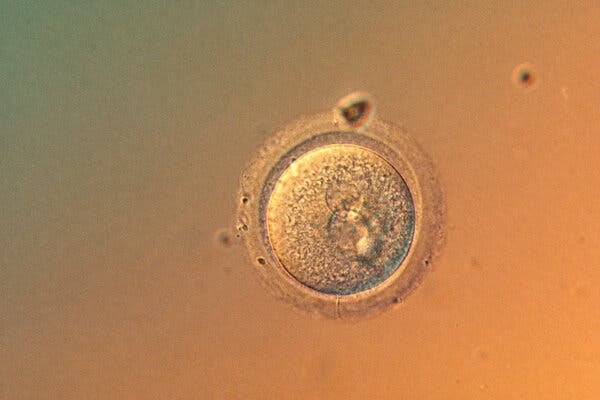
Scientists at Columbia University have achieved a new level of precision in editing the DNA of early human embryos. This breakthrough could lead to the ability to engineer embryos with specific characteristics.
For years, this possibility has sparked debate. While the technology could potentially allow parents to correct disease-causing mutations, it also raises ethical concerns over selecting preferred traits. Some ethicists view this as a form of eugenics.
Dieter Egli, a leading geneticist at Columbia University, emphasized the need for public dialogue on the implications of altering embryonic DNA. He stated, “As a scientist, you can provide the data for discussion, but then essentially there you stop and let others take over.”
The team employed a newer gene-editing technology known as base editing. This method allowed them to precisely replace individual genetic letters in DNA sequences. Unlike CRISPR, it minimizes the risk of unintended damage.
Dr. Egli warned that several questions about potential side effects remain unresolved. “We’re not saying this is going to be used tomorrow in the clinics,” he noted.
The research findings have been made available online. The study is currently under review for possible publication in a scientific journal.