IAEA Urges Iran’s Full Cooperation on Nuclear Issue
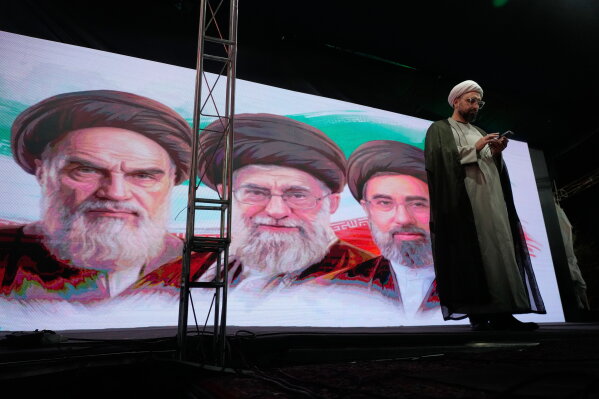
The International Atomic Energy Agency’s (IAEA) board has issued a formal demand for Iran to provide full cooperation. This includes offering complete details on its stockpile of near weapons-grade nuclear material and allowing inspector access to its nuclear sites. These actions are viewed as “essential and urgent” for ensuring no diversion of nuclear material.
In a closed-door vote at the IAEA headquarters in Vienna, 21 out of 35 member countries supported the resolution. Russia, China, and Niger opposed it, while 10 nations abstained and one didn’t vote due to arrears. The resolution was initiated by France, the United Kingdom, Germany, and the United States.
According to a senior Western diplomat, the goal is to maintain diplomatic pressure on Iran to comply with its legal obligations related to nuclear safeguards.
This development occurs amidst rising tensions in the Middle East. The United States launched airstrikes against Iran on Wednesday, to which Iran retaliated against regional countries. This military escalation jeopardizes efforts to conclude ongoing conflicts. U.S. President Donald Trump has warned Iran of potential consequences for hindering peace talks.
Since Israel and the United States targeted Iran’s nuclear facilities during the brief war in June 2025, Iran has restricted IAEA inspector access to the affected sites. Tehran is required by the Nuclear Nonproliferation Treaty to cooperate with the IAEA. The agency has not been able to verify the current status of Iran’s stockpile of near weapons-grade uranium since the strikes.
The IAEA reports indicate that Iran has 440.9 kilograms of uranium enriched up to 60% purity, a short technical step from weapons-grade levels. This stockpile could theoretically permit the manufacture of up to 10 nuclear bombs, according to IAEA Director-General Rafael Mariano Grossi, who emphasized that Iran does not possess such weapons currently.
Iran maintains its stance that its nuclear program is peaceful, denying any pursuit of nuclear weapons. Iran’s ambassador to the IAEA, Reza Najafi, criticized the resolution, stating it undermines Iran’s cooperation amidst what he describes as an “unprecedented security environment” created by external attacks.
Najafi asserted that Iran granted the IAEA access to all facilities unaffected by strikes. The resolution, he argues, overlooks Iran’s collaborative efforts with the IAEA despite the ongoing conflict.
The resolution also highlights its “deep regret” for Iran’s lack of compliance over the past year with its nonproliferation obligations. The IAEA declared Iran in noncompliance for the first time in two decades last June, just before the U.S. and Israel struck Iranian nuclear sites.
A key component of this issue is a protracted investigation by the IAEA into unidentified uranium traces found at undeclared sites in Iran since 2019. Tehran has not delivered “technically credible answers” concerning the origin and whereabouts of the nuclear material.
Western officials believe these traces might indicate a hidden nuclear weapons initiative that Iran ceased in 2003.
While the resolution does not recommend referring Iran to the U.N. Security Council for additional sanctions, it leaves open the possibility. The IAEA board stands prepared to take further measures, including contemplating formal noncompliance reports for Security Council review.
The Associated Press supports its journalism through funding from several private foundations. AP retains full editorial control over content, following rigorous standards outlined on its website.