Impact of Residential Green Spaces on Dementia Risk in Older Adults
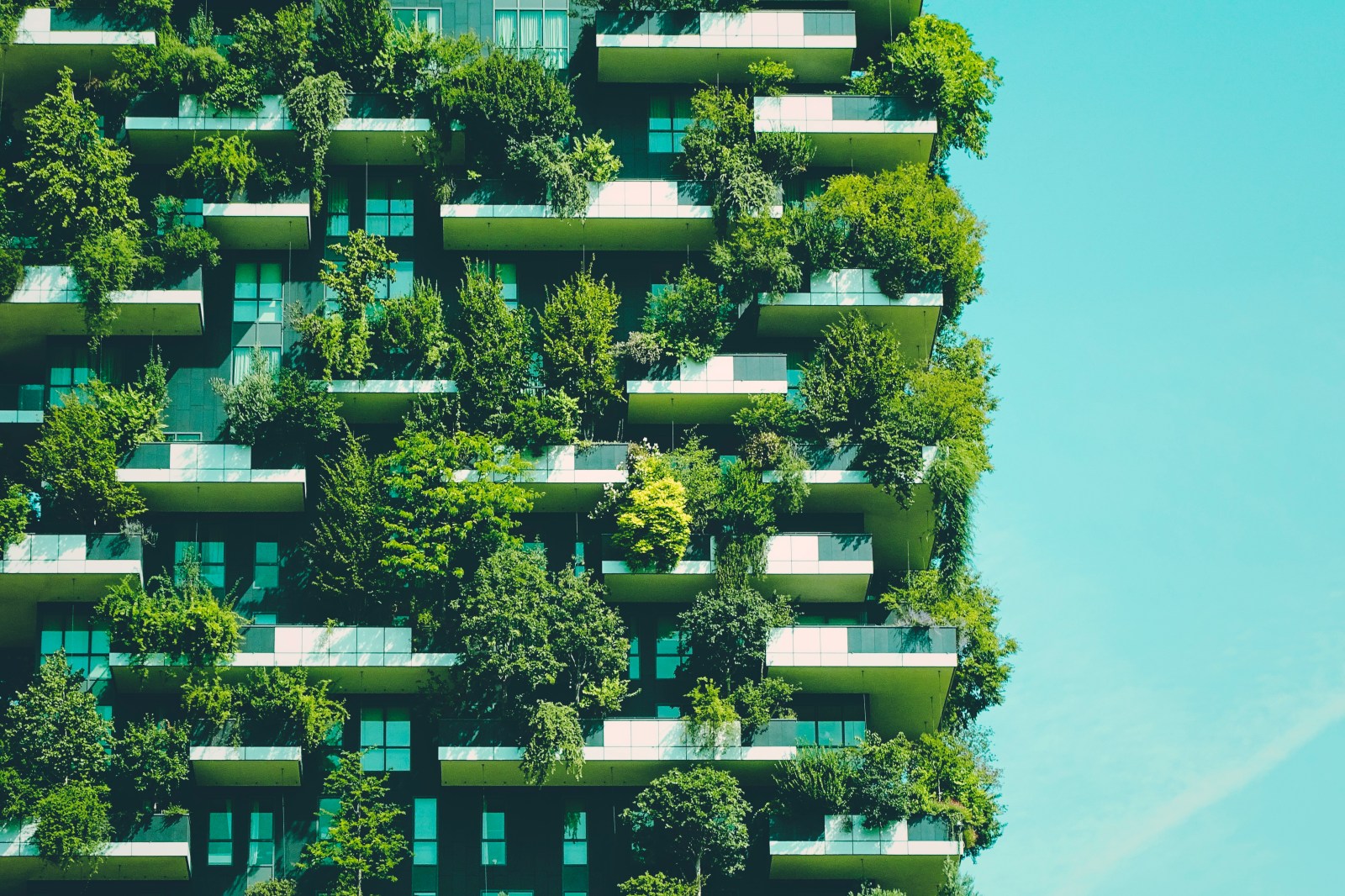
Older adults who live surrounded by more greenery may be significantly less likely to develop dementia, according to a new study from Sweden’s Stockholm University and Karolinska Institute. This research tracked nearly 3,000 people over a 16-year period.
Researchers discovered that individuals residing in areas with more vegetation within 110 yards of their homes had a 20% lower risk of developing dementia over time. Published in Alzheimer’s & Dementia, the findings suggest that nearby green spaces could play a vital role in supporting brain health, mood, and cognition as people age.
Cecilia Stenfors, the study’s first author, emphasized the importance of green spaces in residential planning. She noted that greener surroundings may enhance brain health through various pathways. These include psychological well-being, rest, recuperation, outdoor activities, social interaction, and protection from stressors such as traffic noise and air pollution.
Tracking Green Space and Dementia Risk
The study involved 2,993 adults aged 60 and older, participating in the Swedish National Study on Aging and Care in Kungsholmen (SNAC-K), Stockholm. During a 16-year follow-up period, 477 participants developed dementia.
Researchers used satellite imagery and geographic information systems to measure vegetation around participants’ homes annually. They assessed greenery within 110, 275, and 550 yards of residences while routinely checking participants’ cognitive health.
The strongest association with lower dementia risk was found in areas closest to homes. Though greenery at all distances showed some positive relationship, the link was most pronounced within 110 yards and weakened farther away. Interestingly, the protective association was more robust among women.
Researchers considered factors influencing dementia risk such as age, education, socioeconomic status, lifestyle habits, air pollution, traffic noise, and proximity to water.
The Importance of Nearby Nature
Stenfors discussed the significance of the home’s immediate surroundings, as they constitute part of people’s everyday environment.
In previous research, green space around residential areas has been linked to better sleep, self-reported mental health, and fewer antidepressant prescriptions.
Green spaces encourage outdoor activities, physical exercise, and social engagement, while reducing exposure to hazards like air pollution and urban heat.
Clinical Insights from Neurosurgery
Dr. Željko Kojadinović, a neurosurgeon with over 35 years of experience, highlighted the 110-yard radius as the study’s most notable finding.
Daily contact with nature can improve mood, encourage walking, and promote social interaction, all supporting brain health. Vegetation acts as a natural filter, capturing airborne pollutants linked to cerebral microangiopathy.
Dr. Kojadinović clarified that this is an association rather than definitive proof. However, the findings correlate with clinical observations that dementia in older adults often involves small-vessel damage alongside Alzheimer-type changes.