Impact of Rising Oil Prices on U.S. Food Costs
Introduction
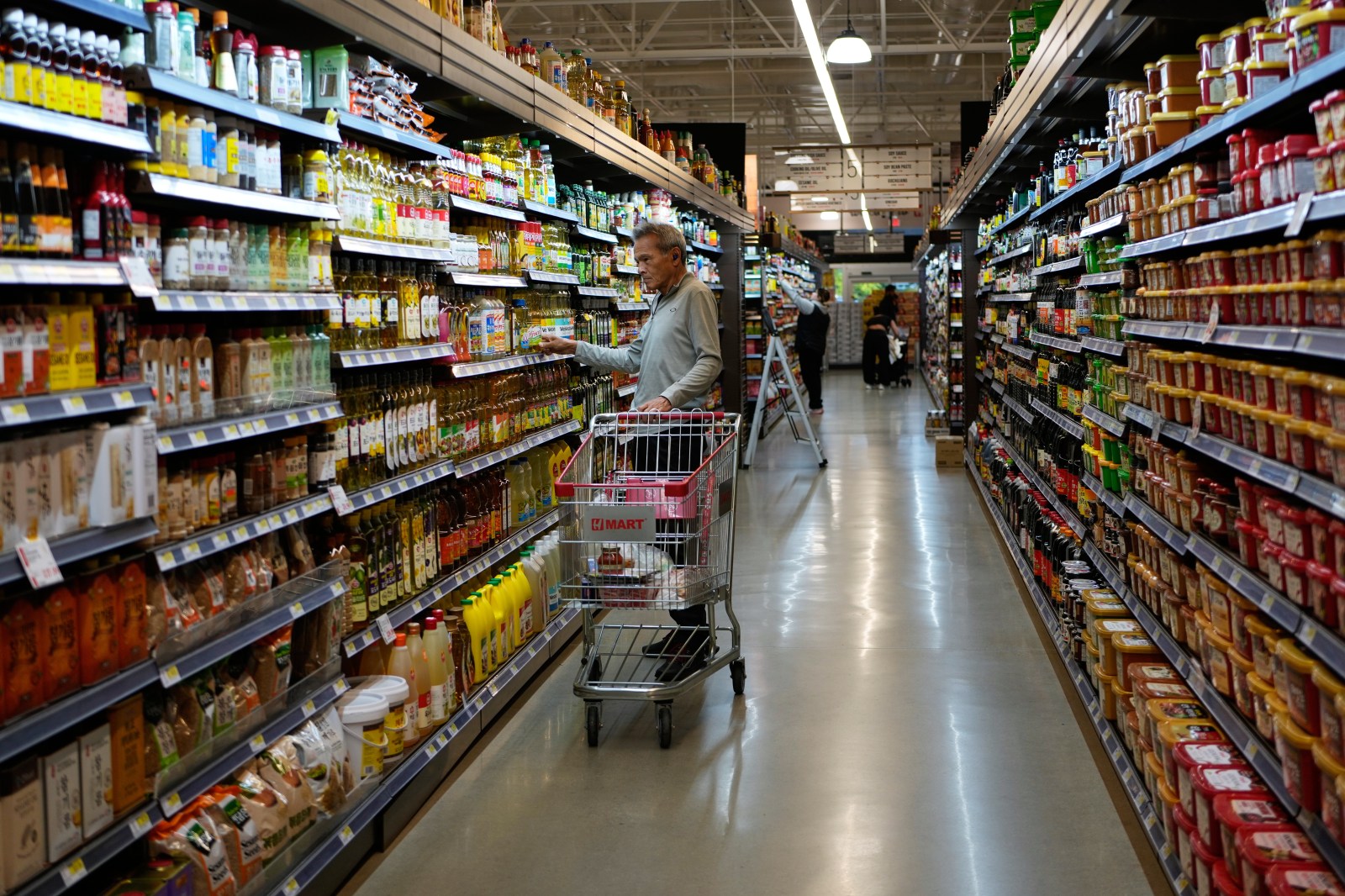
The cost of food in the United States is expected to increase significantly. This is due to rising oil prices and supply disruptions caused by ongoing conflict. These factors are affecting the companies and farmers responsible for keeping store shelves stocked.
Current Situation
Oil prices have surged more than 50% since late February. This has increased gas prices nationwide, averaging over $4.50 for the first time since 2022. The rise in oil prices is affecting farmers, who are facing higher costs for fertilizer and fuel. Additionally, tariffs and workforce shortages are compounding challenges for farmers. Experts warn that the next major price shock Americans face may occur at the grocery store.
Food Prices: Current Trends
Prior to the conflict, inflation in various food staples was already affecting American household budgets. The Consumer Price Index (CPI) from the Bureau of Labor Statistics shows annual inflation increased from 3.3% in March to 3.8% in April. This marks a record high for inflation across both of Donald Trump’s terms. The energy index increased 17.9% since April 2025, with food prices rising 3.2%.
Food at home, which refers to grocery expenses, saw a 0.7% increase in April — the largest monthly increase since early 2022. This corresponds to a 2.9% increase annually. Moreover, shipping disruptions in the Strait of Hormuz contribute to these adverse impacts on grocery prices.
Effects of the Conflict on Grocery Prices
Approximately one-third of global seaborne fertilizer trade passes through the Hormuz Strait. Disruptions there have caused U.S. fertilizer prices to climb by around 20% since the conflict began. The Green Markets Weekly North America Fertilizer Price Index reports this increase.
The World Bank projects global fertilizer prices will rise 31% by 2026, driven largely by a 60% surge in urea prices. This leads to affordability challenges, which are eroding farmers’ incomes and threatening future crop yields. Poorer nations are expected to be hardest hit, but American farmers are also grappling with the consequences during the critical planting season.
An American Farm Bureau Federation survey from April reveals 70% of farmers can’t afford all the fertilizer they need, compounded by a 46% increase in farm diesel costs. The Department of Agriculture has adjusted its food price forecasts for several food groups to reflect these new challenges. However, projected increases remain unchanged or lowered for some categories.
According to Chris Barrett, an economics and agriculture professor at Cornell University, the full effects of the conflict on food prices have yet to materialize. Barrett predicts that food price inflation will rise to around 11% year-over-year by the end of 2026 due to diminished harvests in countries like India, Thailand, and Vietnam.
Additional Insights from Economists
Agricultural economists Ken Foster and Bernhard Dalheimer from Purdue University claim pre-conflict forces already placed upward pressure on food prices. They emphasize that the impact of rising energy costs extends beyond the effects on fertilizer. Their insights highlight that diesel fuels trucks, petrochemicals make packaging, and electricity powers refrigeration chains.
While drought allows consumers to switch to cheaper alternatives, rising energy costs impact every category simultaneously. Foster and Dalheimer note these price impacts will be slow to arrive and will be even slower to recede. Food affordability, especially for lower-income households, is at risk. This risk will intensify as supply chain cost pressures affect retail prices progressively.
Potential Outcomes
The ongoing conflict shows little signs of resolution. Diplomatic negotiations remain tense, with parties skeptical of each other’s demands. President Trump expressed no hurry to conclude an agreement with Tehran but suggested openness to a limited deal concerning the Strait of Hormuz.
Foster and Dalheimer argue that the war’s impact on food prices is significant, hinging largely on the duration of the waterway’s closure to commercial shipping.