Independents Show Increased Discontent with Trump in Second Term
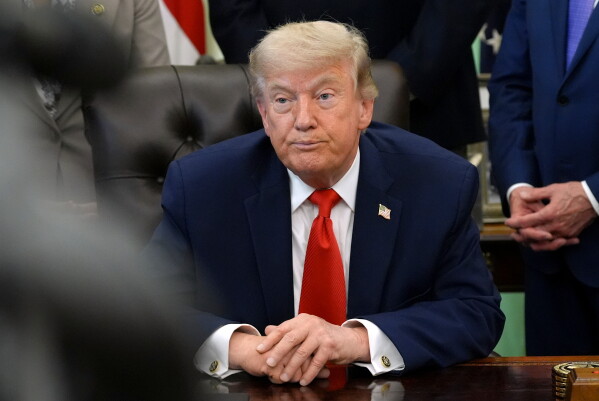
A recent analysis by the AP-NORC Center for Public Affairs Research indicates a growing disapproval of President Donald Trump among independent voters during his second term. Particularly notable is the decline in support from independents without college degrees. Initially, around half of them viewed Trump favorably during the 2024 election period, but this figure has since dropped to about a quarter.
The analysis combined data from nearly 24 AP-NORC polls conducted between July 2024 and April 2026. It allows for an in-depth look at changes in support throughout significant periods of Trump’s presidency, such as the passing of the Big Beautiful Bill, the government shutdown in fall, and the onset of the Iran war. Throughout these times, a continuous decline in Trump’s support among independents is evident. This erosion extends to key groups, such as Black and Hispanic independents, who previously leaned more towards Trump in the 2024 election.
More Americans identify as independents than ever before. This group had shown a swing toward Trump in 2024, which implies potential issues for Republicans as midterm elections approach, often seen as a referendum on the governing party. Tafari Torres, a senior research associate at NORC, mentioned that while the opinions of Democrats and Republicans have remained consistent, those of independents have changed, reacting to events by reducing support.
First 100 Days Show Dramatic Support Decline
Independents helped propel Trump’s return to the presidency, perceiving him as strong on issues like the economy. However, their positive views diminished quickly after he assumed office. Among independents without college degrees, favorable opinions dropped from 48% before he took office to 31% during his first 100 days. By early 2026, following the government shutdown, approval had fallen to about 25%.
Meanwhile, college-educated independents began with a lower positive view of about 3 in 10, which decreased similarly, but the decline was less pronounced. Sean Collins, another NORC research associate, expressed surprise at the sharp drop in approval from those without college education, considering this group’s significant role in Trump’s previous coalitions.
Hispanic and Younger Independents Grow Disenfranchised
Trump’s coalition included a significant portion of Americans without college degrees. In 2024, he also gained support from traditionally Democratic groups like Hispanic adults. In the 2024 presidential election, 42% of independents voted for Trump, an increase from 37% in 2020. Among these, non-college independents slightly favored Trump over Harris, and Hispanic independents were evenly split.
Currently, Trump’s appeal among Hispanic independents has waned significantly. Their favorable ratings, nearly half around the election period, plummeted to 15% during the government shutdown, stabilizing at roughly a quarter later. Similarly, younger independents have reduced their support, contrasting with more stable views from those aged 60 and older. Economic issues, particularly concerns about inflation among young Republicans and Hispanic Americans, contributed to this decline.
Economic Concerns at Core of Independent Dissatisfaction
The economy underpins much of the dissatisfaction with Trump among independents. AP VoteCast revealed that in 2024, half of the independents who voted for him cited inflation as their primary concern. They also expressed worries about rising costs of essential goods like food and gas.
Despite more than a year into Trump’s second term, inflation remains persistently high, driven by elevated gas prices due to the Iran conflict. An AP-NORC poll from April showed that around 30% of independents were extremely or very worried about affording groceries and gas. The analysis observed that perceptions of the economy closely align with views of the president, with 8 in 10 independents labeling the economy as poor. In May, approximately 30% of independents approved of Trump’s economic management, reflecting consistent disapproval levels since he began his second term.
This AP-NORC analysis involved 4,836 independents over 21 surveys during Trump’s second term. Independents are defined as individuals who do not identify with or lean towards either major political party.