Insights on Insider Trading, Electricity Demand, and School Start Times
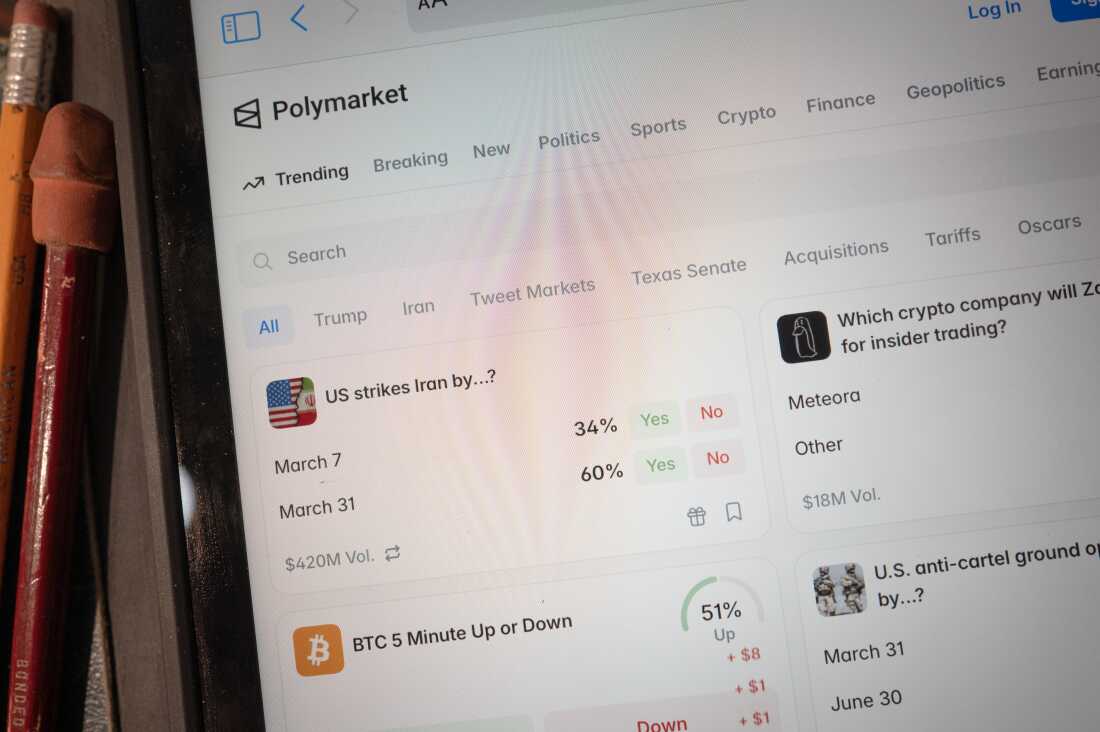
Insider trading remains a pressing issue in today’s economic landscape. A notable example involves an American soldier accused of using classified information to transform $33,000 into over $400,000. Prediction markets, such as Polymarket, have seen substantial profits from well-timed bets, including those related to geopolitical events like U.S. actions against Iran or Venezuela’s Nicolás Maduro.
These scenarios raise the question: Is it illegal for individuals with privileged information, like Congress members, to make such bets? The situation is complex, largely due to the structure of companies like Polymarket. While they have a regulated front-end in the U.S., the true action occurs on their anonymous, crypto-based international back-end platform, making tracking difficult.
U.S. Democratic Senator Richard Blumenthal aims to address this by proposing legislation to regulate prediction markets more closely, akin to sportsbooks like FanDuel and DraftKings. Although anonymity is easier with cryptocurrency, blockchain transactions are permanent, offering a trail to follow.
Turning to electricity demand, Texas faces an unprecedented challenge. At a recent conference, executives from Oncor revealed a forecast of 122 GW demand over the next five years, far exceeding the current capacity of 85 GW. Former FERC chairman Jon Wellinghoff describes this demand increase as “off the charts,” typically seeing growth below 2% per year. He expressed skepticism about achieving the required 143% increase.
There’s a push for AI development, but competitive pressures may prevent most projects from completion. Local opposition has already canceled numerous data centers this year alone.
On the education front, California’s 2022 legislation delaying school start times offers promising results. Researchers suggest this initiative has led to improved sleep, mental health, and academic performance, particularly among Hispanic and economically disadvantaged students.
Early U.S. school start times can be startling. Delaying start times appears to be an effective way to enhance students’ educational outcomes without extensive new resources.