Iran Eases Control Over the Strait of Hormuz Amid Mounting Oil Challenges
The situation surrounding the Strait of Hormuz demonstrates significant changes, impacting global oil dynamics. The strait, at the entrance of the Persian Gulf, has been a focal point, with Iran’s influence previously hindering oil and natural gas flow. Since the onset of conflict in February, Iran’s actions have discouraged vessels from passing, contributing to global energy shortages and inflation.
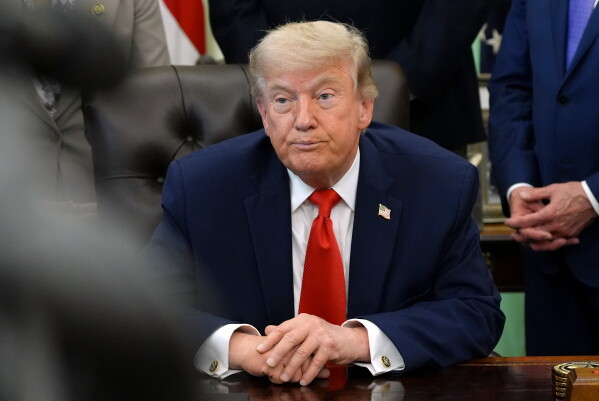
However, recent developments indicate a shift. Analysts report an increase in oil exports from Gulf Arab states, facilitated in part by the U.S. military. These efforts reportedly involved a covert operation, outlined by U.S. President Donald Trump, which enabled over 100 million barrels of crude oil to reach markets. Despite these efforts, the oil flow is still below the 15 million barrels per day previously passing through the strait, limiting its impact on the global energy shortage.
We face a difficult test. Governing the country is not an easy task under the current circumstances.— Masoud Pezeshkian, Iran’s President
The changing dynamics put pressure on Iran, impacting its economy severely. President Masoud Pezeshkian acknowledged the difficulties in a televised speech, emphasizing the sanctions and challenges affecting the country.
The conflict remains volatile. Recent exchanges of fire between Iran, Israel, and the U.S. have intensified tensions. President Trump has varied his approach, threatening military actions before indicating potential negotiation breakthroughs.
Despite these challenges, confidence in U.S. military support has grown, prompting shippers to navigate the strait. These operations may have involved turning off tracking systems or conducting transfers at sea, with Gulf Arab states attempting to obscure oil origins.
Analyst Amena Bakr of Kpler confirms significant crude exports from the region, possibly exceeding 100 million barrels. This aligns with Trump’s statements on the mission’s success. The U.S. implements a limited overwatch operation involving autonomous vehicles and aerial escorts, according to Richard Meade of Lloyd’s List Intelligence.
Iran contests these actions, maintaining the strait’s closure following U.S. airstrikes and retaliatory attacks on Gulf nations hosting American troops. Foreign Minister Abbas Araghchi opposes the international view of the strait as an open waterway.
The U.S. continues to impede Iranian oil movements through the strait using forceful measures. Iran’s oil industry struggles with overcapacity in onshore storage and constrained production capabilities. Wood Mackenzie estimates a drop of 800,000 barrels per day in Iran’s output since the blockade commenced, with onshore storage reaching the highest levels in years.
The tightening economic pressure might push Tehran towards diplomatic solutions. Oil prices remain below $100 per barrel, influenced by potential deals and strategic reserve usage. China’s reduction in Iranian oil imports offers temporary respite, although a resolution is crucial to prevent a deeper crisis.