Lessons from the White House Press Briefing Room
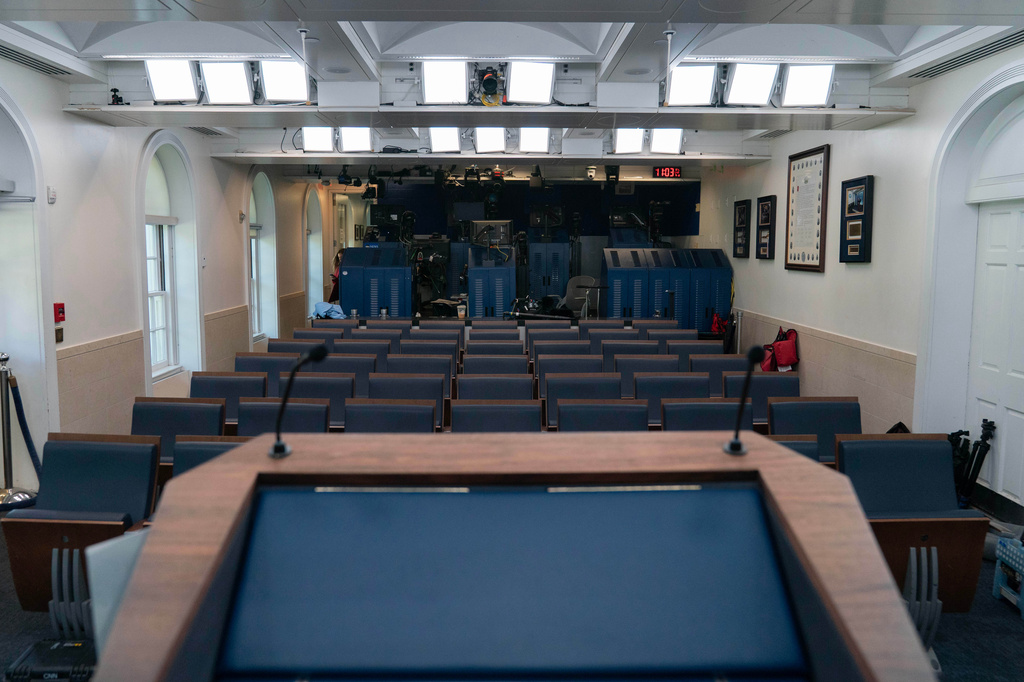
The James Brady Press Briefing Room at the White House has witnessed many significant moments. Recently, it saw history with the shortest tenure of a U.S. press secretary, lasting only five days. Soon, another will stand at the podium, stepping into one of the most challenging roles in American public life. This room is unique, named after a predecessor who almost lost his life in service: James S. Brady.
Jim Brady was a significant influence during my eight years in the Reagan White House press office. Three men occupied the podium while I was there, each imparting vital lessons. Brady emphasized the importance of the press as a tool, not an adversary. Despite holding the office for just ten weeks before being shot, his impact was lasting. His quick wit and authenticity endeared him to reporters, demonstrating the briefing room as a place for government transparency.
Brady’s role was never reassigned after the shooting. Larry Speakes and later Marlin Fitzwater fulfilled the duties under different titles. President Reagan’s decision to keep the title with Brady exemplified loyalty and highlighted that the position transcends the individual.
Larry Speakes taught me the necessity of preparation. He faced immense pressure on March 30, 1981, following the shooting of President Reagan, then continued for six years. Success in briefings depends on being well-informed about current events and internal news. The podium harshly judges the unprepared; charm cannot replace accuracy.
Marlin Fitzwater demonstrated the importance of credibility. Serving under two presidents, he was trusted by the press because he never lied. When he was unable to disclose information, he admitted so, enhancing his reliability. The press respected him, rendering him an effective advocate for the president.
The position of press secretary requires serving three masters: the president, the press, and the public. Each has different demands, and balancing them necessitates unwavering credibility. This credibility is not a personal asset but belongs to the president and should be preserved.
To any new press secretary, I offer this advice. Hold frequent briefings because the room is there for use. Prepare thoroughly as Speakes did; the real test lies in knowing the facts, not just answering questions. Never guess, and rectify errors promptly. Learn from experienced reporters; they often have more experience with the White House than the staff. Support the president without falling into sycophancy; this distinction constitutes the role’s value. An effective advocate who retains trust is more persuasive than any echo. Avoid rudeness toward reporters, as it demeans the briefing room and the nation remembers.
The room’s name honors Brady’s sacrifice and his commitment to transparent communication between the presidency and the free press. Maintaining this standard is crucial for anyone in the role, regardless of party affiliation. Remember, the podium is not a shield or weapon, but a promise to the public. Welcome to what is arguably the most demanding job in the White House. Good luck, with the knowledge that Brady’s influence continues to guide the role with both kindness and scrutiny.
Mark Weinberg, founder of the executive communications consultancy Ethos, served in the Reagan White House press office for eight years. He later worked as a speechwriter for President Reagan and authored the bestselling book “Movie Nights with the Reagans.”