Mike Durglo Jr.’s Climate Efforts for the Confederated Salish and Kootenai Tribes
Building a Climate Resilient Community
Mike Durglo Jr. has dedicated his life to preparing the Confederated Salish and Kootenai Tribes for climate change. As the climate change coordinator, he penned one of the nation’s first tribal climate action plans over 15 years ago. His efforts continue despite diminishing federal support.
A Deep Connection to Ancestral Land
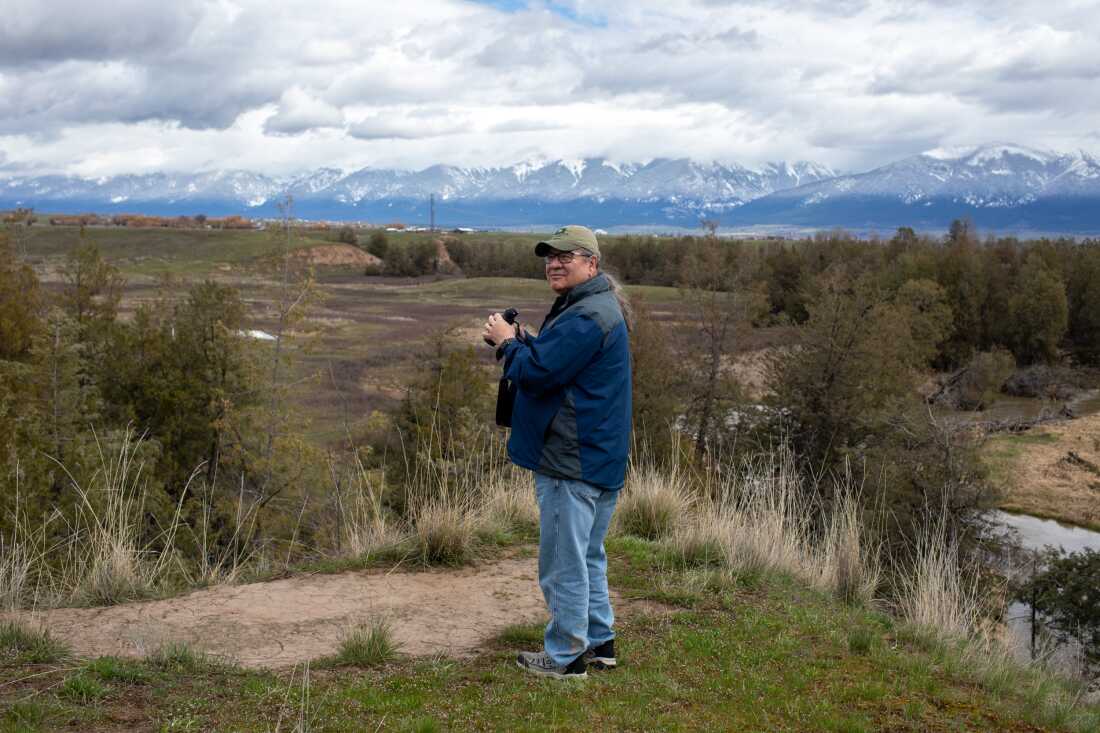
Standing on a hillside overlooking the 1.2-million-acre Flathead Indian Reservation in Montana, Durglo pointed out areas where his father taught him how to track deer. A lone whitebark pine, which he calls Ilawya, symbolizes resilience. This tree represents the strength and continuity of his people.
Montana experienced a record-breaking warm spring this year, with snowpack below average. Warming temperatures, beetle outbreaks, and an invasive fungus have drastically reduced the whitebark pine population. Yet, these trees serve as a beacon of hope. Tribes harvest cones from healthy pines to grow seedlings resistant to the fungus, aiding ecological restoration.
Sustaining Climate Action Amid Challenges
Durglo’s experience as the climate change coordinator leads the Confederated Salish and Kootenai Tribes’ initiatives. Despite cuts in federal funding, they secured $20 million from the Solar for All program before its cancellation. Durglo strategically combines resources from state, tribal government, and non-profit sectors to drive climate projects.
Their climate plan integrates Traditional Ecological Knowledge and outlines strategies for a warming environment. Actions include conserving water, reducing wildfire risk, and adapting to heat waves and drought. Priorities are hard to pinpoint, as all environmental elements are interconnected, from wildlife to water systems.
Restoring Ecosystems and a Holistic Approach
The Tribes actively work on restoring ecosystems, such as the National Bison Range and native fish habitats. Bison, vital for maintaining biodiversity, are part of the grassland restoration on the reservation. Durglo collaborates with other tribal leaders to share insights and strategies, emphasizing the importance of every component in the ecosystem.
To further climate resilience, Durglo also focuses on wildfire smoke mitigation by installing air quality sensors and promoting clean air centers across the reservation. These centers offer safe air during smoky conditions, aided by funding from state health departments and local nonprofits. Such programs are considered exemplary for rural communities.
Collaborative Efforts Across Tribes
Durglo shares his methodologies with other tribes in states like Montana, Wyoming, and Utah. His work supports the Blackfeet Nation in developing their climate plans, focusing on water retention solutions amid climate challenges. Together with leaders like Gerald Wagner, they aim to sustain climate action through innovative means.
The knowledge gained from these projects is invaluable, and tribal leaders continue to pursue creative funding strategies by applying for private grants. This collective effort aims to protect their lands and culture for future generations.