Pilot Visa Program to Address Labor Shortages
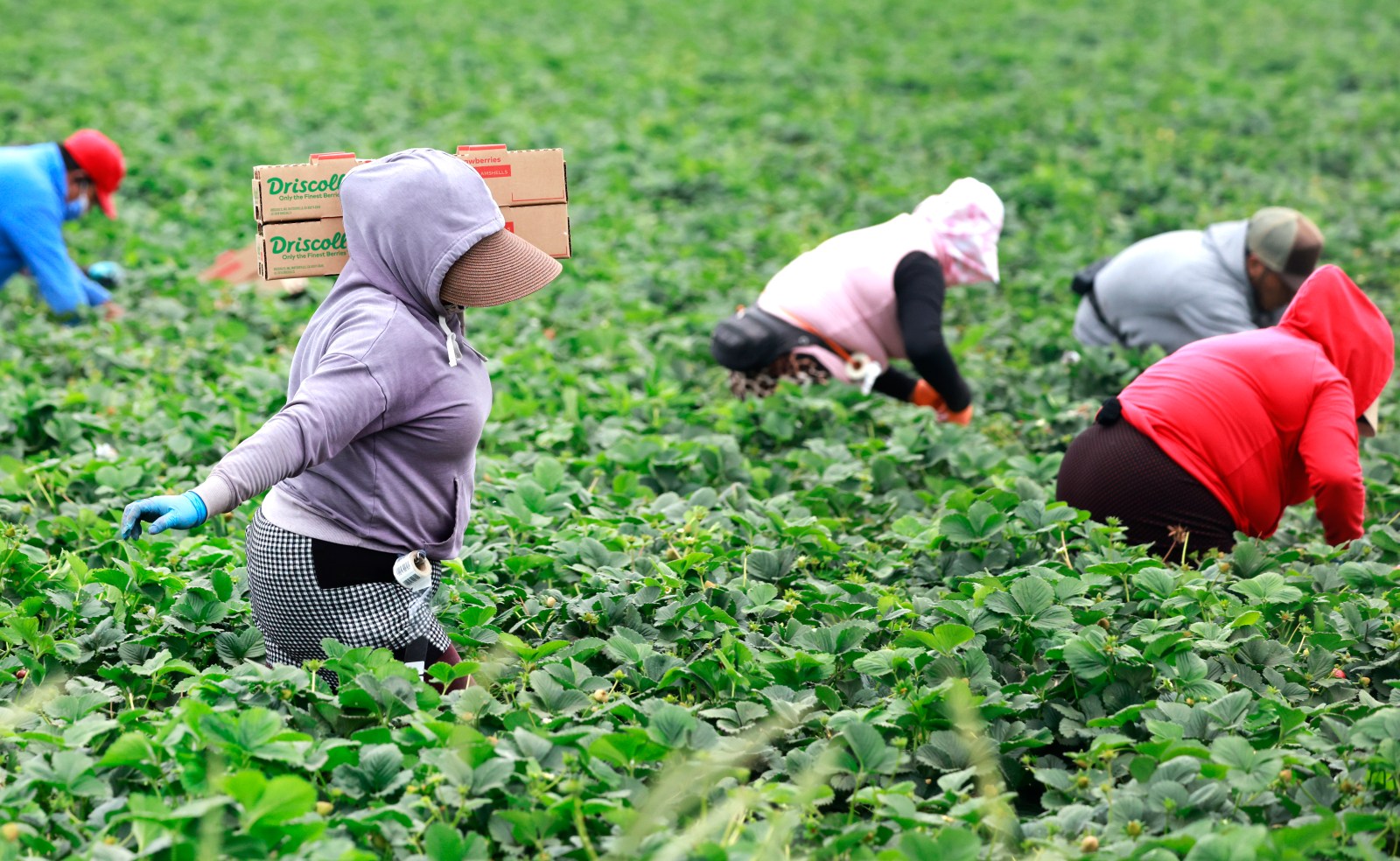
Senators John Curtis, a Republican from Utah, and Mark Kelly, a Democrat from Arizona, have proposed a bill aimed at tackling local labor shortages. The proposal introduces a pilot visa program allowing states to sponsor temporary foreign workers. This initiative is designed to offer states greater leeway in meeting their workforce requirements while maintaining federal jurisdiction over immigration enforcement and screening.
The State-Sponsored Visa Pilot Program Act of 2026
The proposed legislation, known as the State-Sponsored Visa Pilot Program Act of 2026, was announced on Monday. It seeks to create a new visa category that states can use to recruit workers for industries experiencing labor shortages. States can identify their workforce needs and request visas that fit their specific economic demands. However, the federal government will still control the approval process, maintain oversight, and enforce immigration laws. Participation in this program is voluntary for states.
“I’ve heard time and again from small business owners, farmers, and ranchers across Utah how difficult it has become to hire enough workers to meet growing market demands,” Curtis stated in a news release. “Our legislation would help fill the gap by creating a pilot program allowing states to sponsor visas tailored to their unique economies, without sacrificing rigorous federal vetting or accountability.”
Despite its intentions, some conservatives oppose the bill. For instance, the Utah Federation of College Republicans expressed concerns on social media, stating the program overlooks the needs of young Utah residents.
How the Pilot Visa Program Works
This pilot program would allow states to sponsor foreign workers, investors, and other individuals who might benefit a state’s economic development. States must gain legislative approval before joining. While states can petition the federal government on behalf of applicants, these visa holders must still pass federal background checks and meet existing requirements.
Participants need to live and work in the state that sponsored them, although interstate compacts can allow movement between participating states. Workers are allowed to change employers within the sponsoring state under the state’s established rules.
“States know their own economic needs best, but federal rules currently decide who can live and work here,” Kelly remarked in a news release. “Our bipartisan bill would let Arizona and other states choose the visas they need to fill labor gaps and strengthen their local economies.”
The program would authorize visas for up to three years, with possible renewals if requested by the sponsoring state and if the visa holder complies with program requirements. States must periodically evaluate labor demands and wage data, investigate claims of worker displacement, and confirm that sponsored workers are not replacing U.S. workers.
Participants must adhere to federal, state, and local labor and tax laws and are ineligible for means-tested federal benefits. The bill also contains compliance measures for states. If more than 3% of a state’s visa holders violate program terms, the state must impose a minimum $4,000 bond on future participants and face a 50% reduction in future visa allocation.
Annual visa allocations for states will depend on population, economic growth, and program success. States with low violation rates may receive additional visas. Those with higher noncompliance rates may face reduced or suspended allocations.
Support and Potential Challenges
The bill allows states to sponsor certain immigrants already in the U.S. who can prove their presence since December 31, 2016. These individuals must pass background checks, pay a $1,000 penalty, and meet program criteria. Waivers for some immigration violations are possible.
Several business and immigration advocacy groups support the legislation. These include UnidosUS, the National Immigration Forum, the American Business Immigration Coalition Action, and the U.S. Hispanic Business Council. They believe the proposal could help industries like agriculture, construction, hospitality, and manufacturing that experience ongoing worker shortages.
A similar proposal was introduced by Republican Senator Ron Johnson in 2017, with Curtis presenting it again in 2019 in the House. Both attempts gained little traction. “A state-sponsored visa is a fantastic idea,” wrote David Bier, an immigration policy expert at the Cato Institute. He suggested that had such a program existed, it could have mitigated illegal immigration since 1986, providing a legal means for hiring foreign workers.
The bill faces significant challenges in Congress, which has not passed major immigration legislation since 1986. Conservatives often favor reducing immigration and enhancing enforcement, while moderate Republicans and business groups aim to expand visa programs. Democrats generally advocate for pathways to green cards and citizenship. The proposal requires approval from both the Republican-controlled House and Senate before reaching President Donald Trump for consideration.
Trump’s administration, since his 2025 re-election, has increased restrictions on both humanitarian and legal immigration, intending to tighten asylum, end certain humanitarian parole initiatives, and reduce Temporary Protected Status for certain nationalities. The administration has revamped the U.S. refugee program to prioritize specific groups over others.
This new legislation resembles a Utah initiative from 2011 allowing a more significant state role in addressing labor shortages. Due to the need for federal authorization, it didn’t take effect. Unlike the past measure, the new bill amends federal law to create a visa category that states can use independently.
Utah continues to experience a severe labor market, with only 96 available workers for every 100 open jobs as of December, as reported by the U.S. Chamber of Commerce.
For further details, contact editors Ben Kelly and Shakeema Edwards at Newsweek.