Potential Reconciliation for SSPX with the Vatican
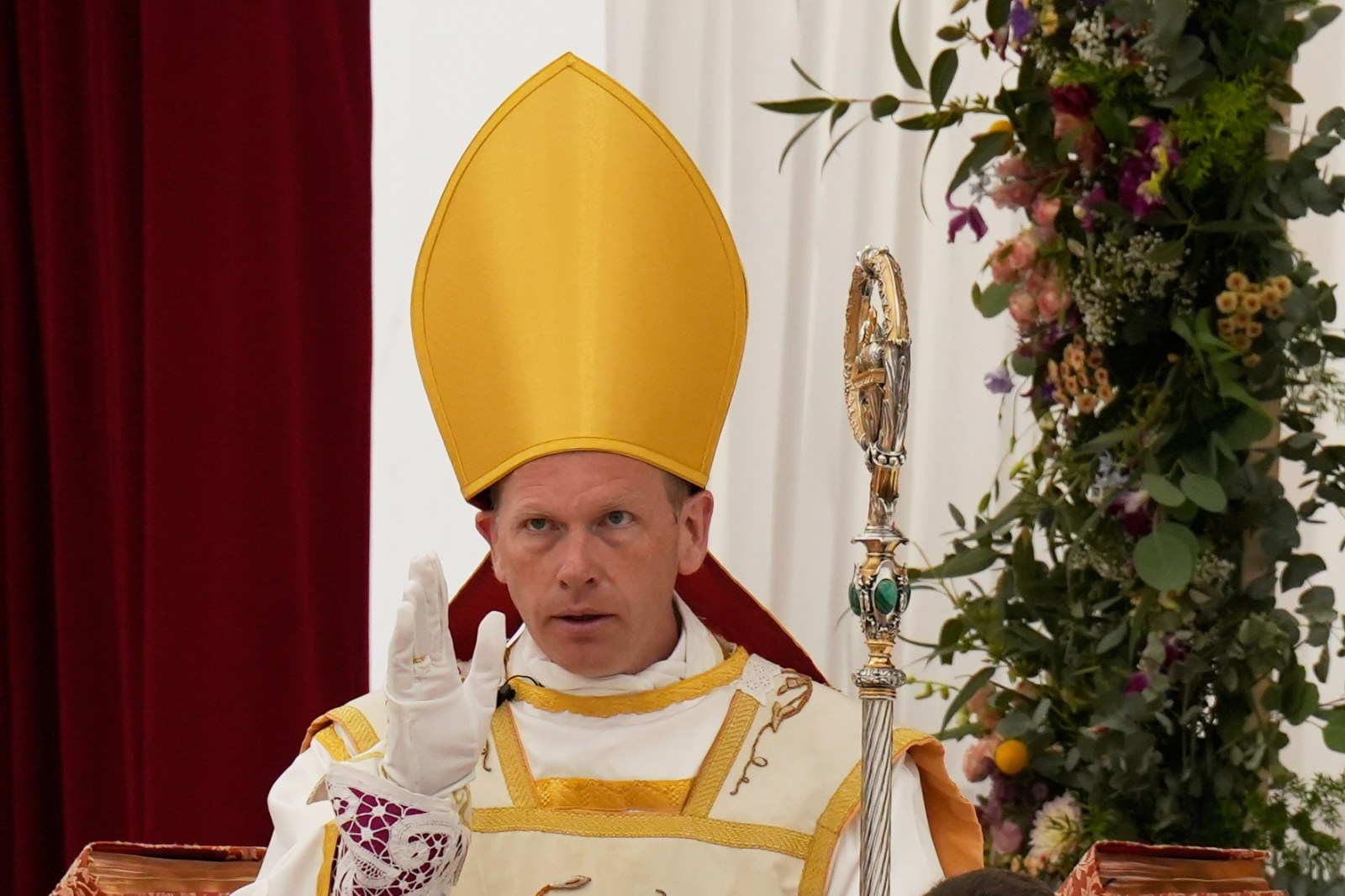
A priest from the ultra-conservative Society of St. Pius X (SSPX) suggested a future pope might restore their full communion with the Roman Catholic Church. This comes just after the Vatican excommunicated the group. Reverend Georg Kopf, speaking in Wil, Switzerland, expressed hope for reconciliation under a subsequent pontiff, similar to the one achieved by Pope Benedict XVI after a previous standoff.
“There will one day be another pope who opens the door and welcomes us back. Just like Pope Benedict,” Kopf stated during a Mass, as reported by Reuters. The SSPX was declared excommunicated by the Vatican after they ordained four bishops without the necessary approval from Pope Leo XIV on July 1. The unauthorized consecrations resulted in automatic excommunication under canon law, marking a severe breach of papal authority.
The schism underscores longstanding tensions between Rome and traditionalist Catholics who oppose the reforms of the Second Vatican Council. The SSPX has a significant global presence, which makes this a substantial issue for the worldwide Church. In the United States, 30,000 faithful and 124 priests serving 115 chapels are affected by the excommunication, based on recent internal data. Both the Vatican and SSPX were contacted for comments.
What Is SSPX?
Founded in 1970 by French Archbishop Marcel Lefebvre, the Society of St. Pius X argues that the post-Vatican II Church strayed from true Catholic doctrine. Based in Switzerland, the fraternity strongly supports pre-reform Catholic practices, like the traditional Latin Mass, and opposes initiatives such as formal dialogue with non-Catholic faiths. Despite criticizing changes over decades, the SSPX maintains its loyalty to the papacy historically.
This situation draws parallels to a split from the 1980s. In 1988, Lefebvre consecrated bishops without consent from Pope John Paul II, leading to automatic excommunications. Pope Benedict XVI lifted these sanctions in 2009 to mend the rift, a precedent Kopf referenced in his sermon.
Why Was the Group Excommunicated?
The current crisis peaked during a ceremony at the SSPX’s seminary in Écône, Switzerland. According to Catholic canon law, only the pope can authorize bishop consecrations to maintain the Church’s unity and apostolic succession. Bishop Alfonso de Galarreta, among those excommunicated in 1988, was involved, as was Bishop Bernard Fellay. During the ceremony, Michael Goldade from the United States took an oath of obedience first. He was followed by priests from Switzerland and France.
Post-ordinations, the Vatican announced SSPX’s formal schism and declared excommunication for the bishops, SSPX priests, and any adherent Catholics. Kopf argued the ordinations were conducted for the Church’s and pope’s benefit to ensure spiritual care for traditionalist Catholics. The SSPX denies intentions to separate from Rome.
The Vatican’s Response
The Vatican remains firm, having engaged the SSPX before the event but was ignored. Cardinal Pietro Parolin, the Vatican’s secretary of state, voiced significant regret over the actions. “An act of this kind deeply wounds the unity,” he said, acknowledging specific sanctions for such schismatic acts.
With no indication of reversing sanctions, the situation with SSPX presents a major challenge for Pope Leo’s papacy. Whether this division resolves as in 1988 remains a crucial issue for the Church’s future.