Proposed Legislation to Protect Social Security Benefits from Student Loan Default Penalties
Introduction to Proposed Legislation
Millions of Americans burdened by student debt might soon receive protection for their Social Security benefits. This change comes from a proposed bill introduced by Senator Bernie Sanders. The bill aims to stop the federal government from seizing payments to recover defaulted federal student loans.
Senator Sanders, an independent from Vermont and a key member of the Senate Health, Education, Labor, and Pensions Committee, announced the Stop Social Security Garnishment Act of 2026. Democratic Senators Elizabeth Warren and Ed Markey from Massachusetts have co-sponsored the measure.
Details of the Proposed Bill
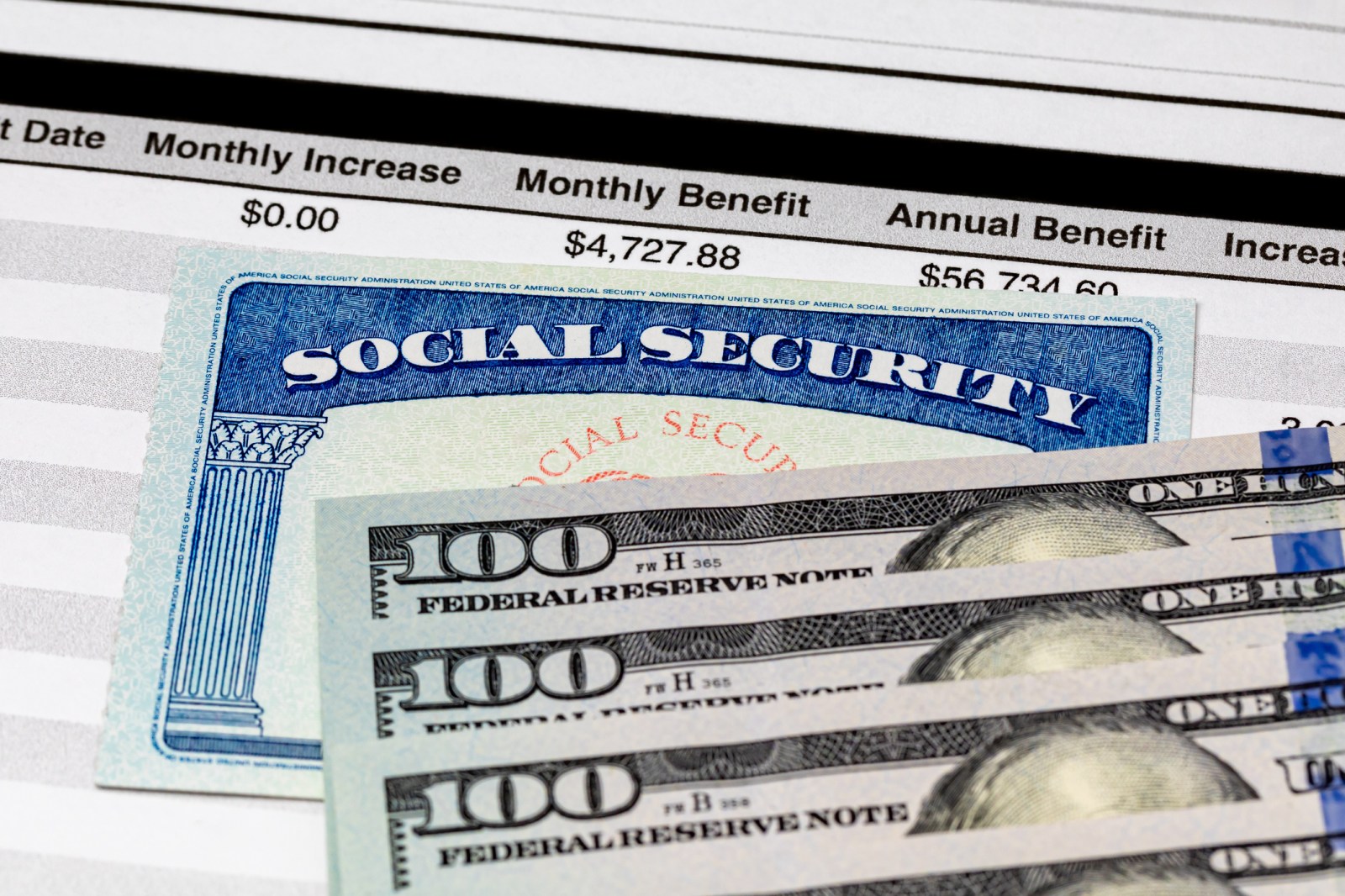
This bill seeks to amend the federal higher education law, ensuring that payments under the Social Security Act remain untouched despite a borrower’s default on a federal student loan. The proposed protection would assist both older Americans and those receiving Social Security Disability Insurance.
Sanders emphasized the need for the bill by stating: “In the richest country in the history of the world, no senior should have their Social Security payments taken away from them to pay back student debt.”
Current Scenario and Need for Change
As of March, around 9.5 million borrowers were in default, based on an Associated Press analysis of Federal Student Aid data. This figure constitutes over one in five federal student loan borrowers. Around $233.3 billion of the federally backed student loan debt was in default.
Older Americans hold a significant portion of this debt. CNBC reports that around 9.6 million borrowers aged 50 and older owe nearly $457 billion. The Consumer Financial Protection Bureau noted that approximately 452,000 borrowers aged 62 and older were in default and likely receiving Social Security benefits.
Current Collection Powers and Impact
Federal student loans enter default if a borrower fails to make payments for over 270 days. The government possesses extensive collection powers, some of which surpass those available to private creditors. Through Administrative Wage Garnishment, the Education Department can direct an employer to withhold up to 15% of a borrower’s disposable pay without court proceedings.
The Treasury Offset Program can also intercept federal payments, such as tax refunds and certain Social Security benefits, to recover delinquent debts. Currently, up to 15% of specific Social Security benefits can be withheld, with a statutory threshold safeguarding $750 per month.
Growing Concerns and Legislative Response
Before the suspension of student loan collections due to the pandemic, Social Security offsets had risen significantly. The Consumer Finance Protection found that beneficiaries experiencing payment reductions grew from about 6,200 in 2001 to 192,300 in 2019. The average amount deducted in 2019 was $2,232 annually, or $186 per month.
Approximately 37% of 1.3 million Social Security beneficiaries with student loans depended on their benefits for at least 90% of their income. Almost half of those in collections reported skipping medical visits or medication due to financial constraints.
Recent Developments in Loan Defaults
The recent surge in defaults followed the end of pandemic protections. Federal student loan payments resumed in 2023, followed by a transitional period ending in 2024. By March 2026, defaulted borrowers increased from 5.3 million to about 9.5 million.
The federal government is currently pausing the collections targeted by Sanders’ bill. The Education Department temporarily delayed Administrative Wage Garnishment and the Treasury Offset Program to allow borrowers to explore new repayment options.
Next Steps for the Legislation
Senator Sanders’ bill, announced on August 17, awaits an assigned Senate bill number, indicating its early position in the legislative process. For it to take effect, the proposal must pass through Congress and receive approval from both the Senate and House, before reaching the president.