Revitalization of Chicago’s LaSalle Corridor: A Slow Transformation
Chicago’s LaSalle Corridor is gradually transforming from dusty office buildings into modern residential living spaces. Many of these buildings have received city-sponsored financial support in exchange for providing affordable apartments. Some are being renovated with private funding.
Significant progress is underway at the James R. Thompson Center at 100 W. Randolph St. This renovation is one of downtown Chicago’s most ambitious. Google plans to open its local headquarters there next year, bringing a substantial new opportunity to the LaSalle Corridor. However, competition is advancing swiftly.
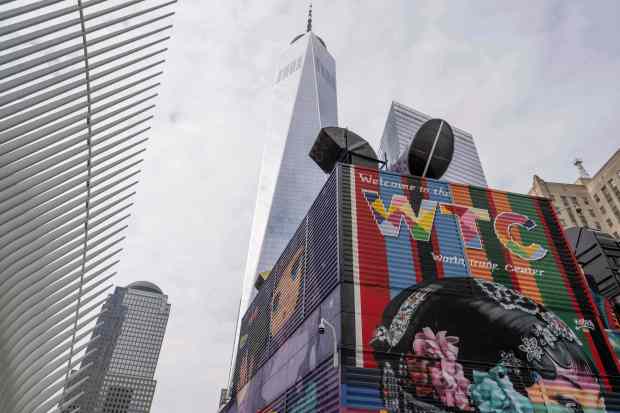
For decades, Chicago has been trying to catch up with Wall Street, which has moved far ahead in developing mixed-use neighborhoods with financial roots. The LaSalle Corridor is evolving slowly into a place where residents can live, work, shop, and play. Meanwhile, Lower Manhattan, including Wall Street, has become highly sought after for residential conversions. According to the Alliance for Downtown New York, the residential population grew from 24,000 before 9/11 to 70,000 today.
The neighborhood’s transformation includes more than tripling the number of hotel rooms and adding about 240 retail outlets. Two transit centers, the Oculus and Fulton Center, offer excellent transport access.
Finance accounts for one-third of the available jobs, while opportunities in advertising, design, media, and tech have increased significantly. American Express recently announced plans to build a global headquarters at 2 World Trade Center.
Despite political tensions between New York Mayor Zohran Mamdani and financial leaders, Lower Manhattan continues to progress. In contrast, Miami’s Brickell area, known as Wall Street South, is rapidly transforming into a financial hub attracting skilled professionals. Citadel is one of many major financial companies expanding in Brickell. However, rapid growth has stressed the area’s infrastructure.
The Brickell City Centre, a Simon Property-owned mall, has seen success with upscale retailers and few vacancies. Its attached hotel, offices, and condos reflect the live, work, shop, play concept.
“It has become such a global city now with all the investments. The whole area is booming,” said Chris Valle, director of marketing at the City Centre.
In contrast, Chicago is struggling. Construction cranes are rare, and the downtown office construction pipeline is practically stagnant. Excess office space persists post-pandemic. Many storefronts in the Loop remain vacant. Office-to-residential conversions are slow and costly.
Chicago has committed over $150 million in tax increment financing to renovate four landmark buildings along Monroe and LaSalle streets. However, the developer at 111 W. Monroe St. has requested more funds.
Chicago has strengths, such as affordability, less congestion than Manhattan, and no garbage-strewn sidewalks. Its central location, transportation network, top universities, and cultural attractions surpass those of Miami. Weather concerns like hurricanes, flooding, and heat waves are frequent in southern Florida.
To reclaim its status, Chicago needs more effort. Recent focus by Mayor Brandon Johnson on neighborhoods outside the Loop resembles wishful thinking. LaSalle Street has potential, with its iconic view from Monroe to the Chicago Board of Trade. Chicago must capitalize on such assets with urgency from City Hall.