Revival of Nuclear Power in the U.S.: Indiana’s New Microreactor
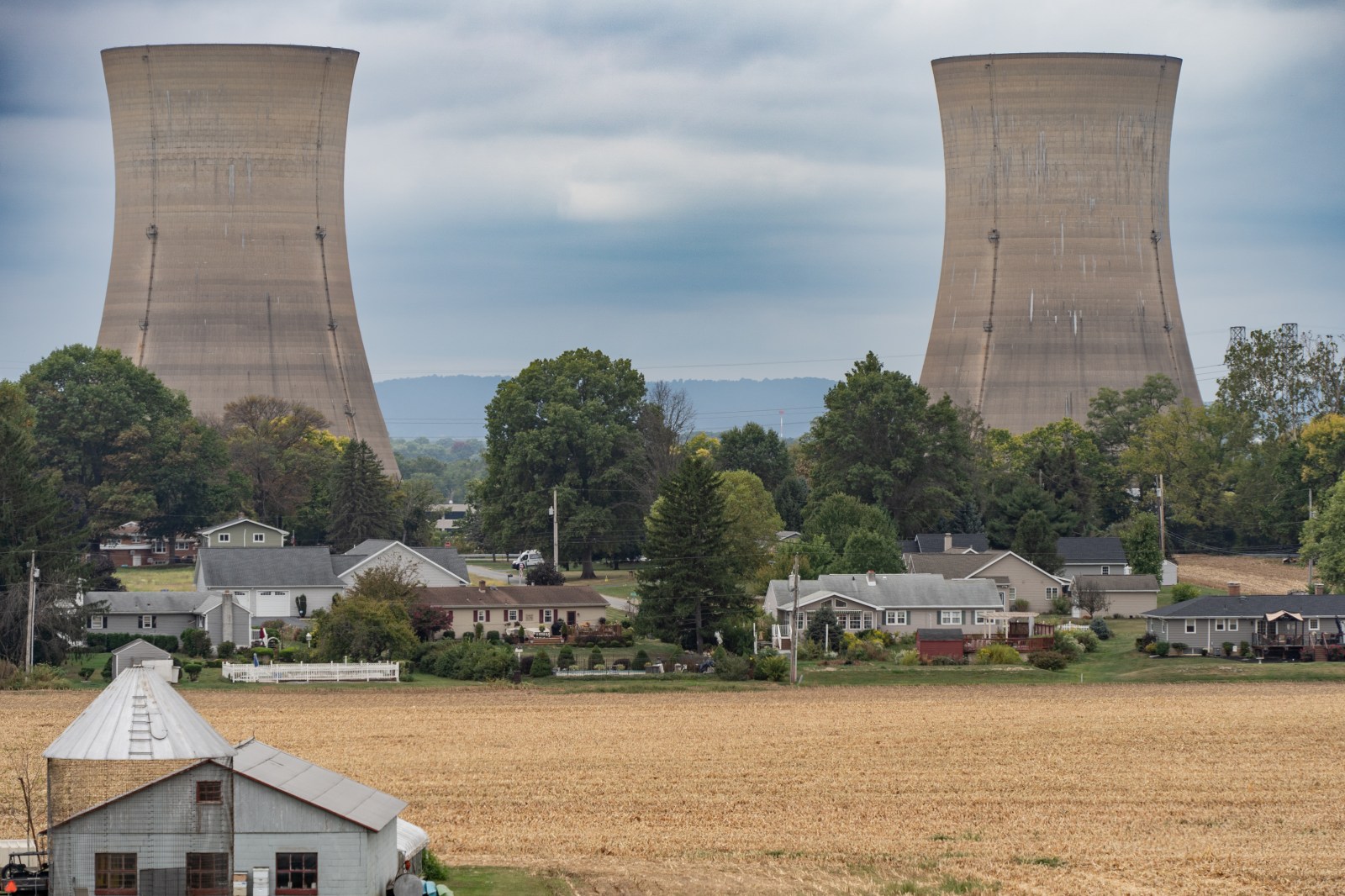
A newly announced nuclear microreactor project in Indiana signals a revival of nuclear power in the U.S. This development is reshaping the energy landscape and spurring reactor projects from Washington state to Texas.
Nuclear Expansion at Naval Weapons Station Crane
The Department of War announced plans on Wednesday to deploy the Navy’s first advanced nuclear microreactor. This compact power system aims to provide reliable electricity for military installations at Naval Weapons Station Crane in Indiana by September 2028. Officials say the reactor will strengthen energy resilience and bolster national security by supplying dependable power to a key military research and weapons facility.
“Under President Trump’s bold leadership, the Department of War is rapidly fielding next-generation energy solutions for our warfighters,” stated Emil Michael, Under Secretary of War for Research and Engineering.
The Indiana project is part of a broader trend of nuclear reactor development across the nation. Notable projects include:
- The TerraPower Natrium project in Wyoming
- Kairos Hermes in Tennessee
- X-energy’s Xe-100 reactor projects in Washington state and Texas
- The Palisades SMR project in Michigan
- The KRONOS Micro Modular Reactor in Illinois
- The Oklo Aurora and Project Pele projects at Idaho National Laboratory
Mapping the Future of Nuclear Development
The information on the new reactor sites is based on publicly announced projects in various stages of development. Not all proposals are included, especially those in early planning. For example, the Indiana reactor is not yet listed on the Center for Strategic and International Studies (CSIS) Advanced Nuclear Deployment Dashboard, though updates are forthcoming.
Why Nuclear Energy is Resurgent
Nuclear energy experienced stagnation in the U.S. for decades due to incidents like Three Mile Island, Chernobyl, and Fukushima. Now, concerns about climate change, energy security, and growing electricity demand are renewing interest in nuclear power.
Efforts to find carbon-free electricity sources that operate continuously are crucial. Unlike solar and wind energy, nuclear plants provide consistent power regardless of weather. Rising electricity demand and efforts to reduce greenhouse gas emissions have led to increased interest in advanced reactors and small modular reactors (SMRs).
Policy and Military Interest in Nuclear Power
President Donald Trump emphasized nuclear energy in his administration’s policies. In May 2025, he signed multiple executive orders to expedite reactor construction, streamline licensing, enhance domestic nuclear fuel production, and increase U.S. nuclear capacity.
The military values nuclear power for its resilience. The Department of War plans for Naval Weapons Station Crane to have reliable power independent of the commercial grid, protecting critical defense operations. The Army’s Janus program seeks to deploy microreactors at bases like Fort Bragg, Fort Campbell, Fort Hood, Fort Benning, and Fort Drum to boost energy resilience if grid disruptions occur.
Nuclear Debate Persists
Despite growing support, nuclear energy faces controversy. Concerns include radioactive waste storage, accident risks, security threats, and high costs of new reactors. Critics highlight delays and cost overruns in many projects.
Proponents argue that advanced reactors and SMRs offer improved safety, flexibility, and potentially lower costs compared to traditional plants. Public opinions may also be evolving. A June 2026 survey by Echelon Insights showed that more respondents favored the construction of a nuclear power plant over an AI data center in their community, with 34% supporting the former compared to 27% for the latter.
Looking Forward
The completion of all planned reactor projects is uncertain, but the trend marks a significant shift from past decades of stagnation. Indiana’s announcement highlights nuclear energy’s role in the future of the nation’s power generation, industrial growth, and national security.