Rising Clashes Between Iranian Forces and Kurdish Groups
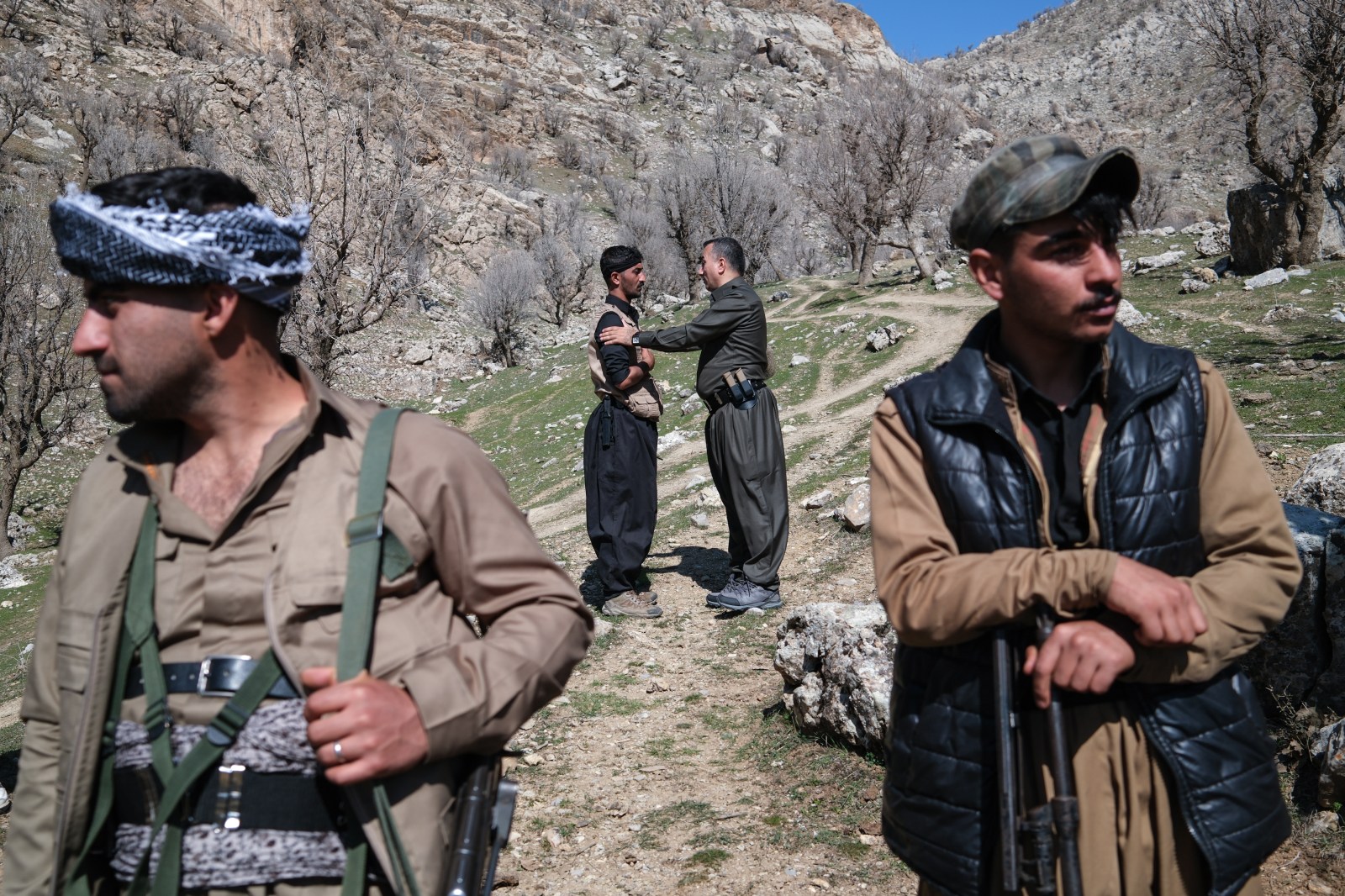
An increase in conflicts between Iranian security forces and Kurdish rebel groups threatens to open a new front in Iran’s opposition with the United States and Israel, testing the fragile ceasefire between Tehran and Washington. The IRGC has reported recent incidents involving the deaths of its members in Kermanshah, as Kurdish groups claim responsibility.
The Hengaw Organization for Human Rights, based in Norway, reports that a newly formed Kurdish group, Xori Hiwa, or ‘Sun of Hope,’ has claimed responsibility for a lethal attack. On the same day, the IRGC announced a counterterrorism operation resulting in the destruction of a six-member team in West Azerbaijan province. The Kurdistan Free Life Party (PJAK) reported losing four fighters in clashes near Mahabad.
These events are part of ongoing skirmishes since last weekend. Kurdish insurgency in Iran has deep historical roots, with associations dating back to the pre-revolutionary era. Recent unrest follows threats from U.S. and Israeli officials to arm Kurdish movements against Iran.
The Role of Kurdish Forces
Although Kurdish forces currently pose little immediate threat, Henri Barkey, a Middle East expert, warns of potential risks if unrest spreads nationally, causing internal security forces to disperse. In such scenarios, Iraqi force pressure may increase as Iran asks Iraq and the Kurdish government to dismantle these groups.
Who Are the Kurds?
Kurds are an ethnic group with minorities in Iran, Iraq, Syria, and Turkey. Each country has a history of both peaceful and armed Kurdish opposition. In Iran, Kurds constitute around 10% of the population, primarily in Kermanshah, Kurdistan, Ilam, West Azerbaijan, and Lorestan.
Kurdish groups such as PJAK, the Democratic Party of Iranian Kurdistan (KDPI or PDKI), and others have engaged in insurgencies against the Iranian government. Despite historical conflict and alliances, the current environment sees top Iranian Kurdish groups uniting under the Coalition of Political Forces of Iranian Kurdistan.
The U.S. and Israel have been involved in past conflicts involving Kurds, but recent efforts appear limited. In January, President Trump’s administration considered supporting Kurdish initiatives, yet no substantial actions followed. Kurdish leaders continue to strategize, emphasizing the youth’s role in organizing and engaging in their struggle.
The Capability of Kurdish Forces
Kurdish groups are perceived as the most organized insurgents within Iran, facing opposition from regional power players and Iran’s security forces. Concerns linger over the intentions of the U.S. and Israel, which could change swiftly in regional politics.
Despite skepticism from experts like Barkey about renewed U.S.-Israel collaboration, there is an anticipation of a tougher Iranian stance. Mohammed Salih notes that current tensions are exacerbated by internal repression in Iran and external pressures on Kurdish refuges in Iraq.
Salih suggests that unless conditions change dramatically, such as renewed significant conflict involving the U.S., Israel, and Iran, or assurances of air support, Kurdish forces remain precariously positioned.