Russia’s Measured Reaction to U.S.-Iran Peace Deal
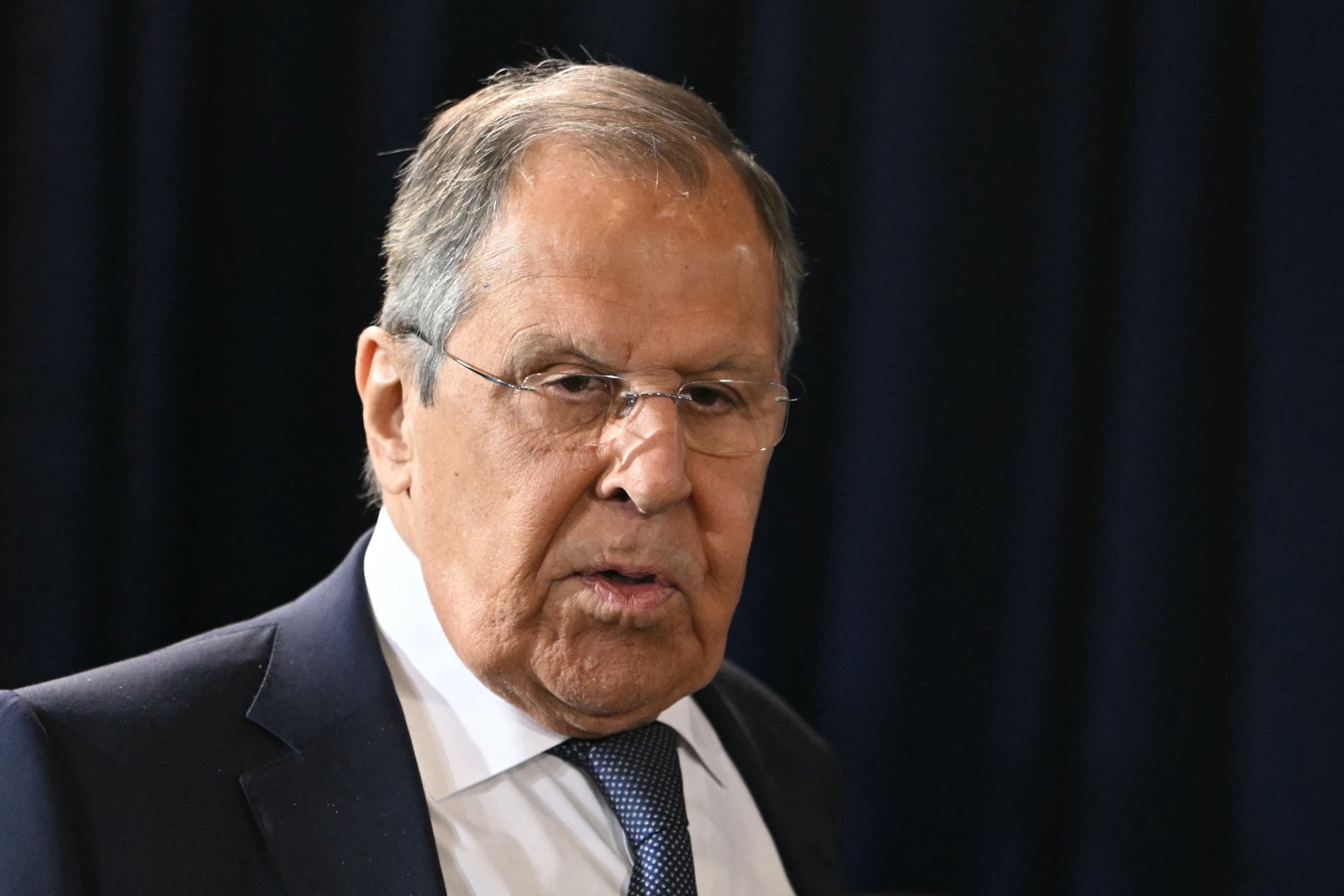
Russia’s Cautious Support for U.S.-Iran Deal
Russia has expressed cautious optimism following President Trump’s announcement of a peace deal between the U.S. and Iran. Russian Foreign Minister Sergey Lavrov has voiced hope for the agreement to be formalized soon, while indicating that success is not guaranteed.
The deal aims to end hostilities and reopen the Strait of Hormuz, a key global shipping route disrupted by the conflict. Preparations for a signing event in Switzerland are underway, though important details remain unresolved.
Lavrov’s Statement
Lavrov stressed the importance of turning political announcements into action, expressing Moscow’s hope for the agreement to be signed shortly. He highlighted the need for sustained political will, noting that conflicts often persist beyond initial breakthroughs.
Moscow’s stance reflects its broader diplomatic approach: supporting peace initiatives yet remaining skeptical about the longevity of such agreements. This mirrors Russia’s general messaging of supporting diplomacy while being cautious of potential challenges.
High-Level Diplomacy
Trump’s deal has initiated discussions between Washington and Moscow. A recent call between Trump and President Putin was described as friendly and direct, with attention to the U.S.-Iran memorandum among other topics.
Russia’s engagement in Middle Eastern affairs underscores its interest in influencing or overseeing developments in Iranian negotiations, impacting U.S.-Russia relations as well.
Israel’s Position
Despite the U.S.-Iran agreement, uncertainty prevails due to Israel’s stance, particularly concerning Hezbollah. Israel has asserted it will not comply with the deal’s terms and remains firm on its military positions in southern Lebanon.
Israel’s ongoing military activities with Hezbollah risk undermining the agreement’s implementation and prolonging regional instability. These factors add complexity to the situation, limiting the potential impact of the deal.
Israeli strikes on Hezbollah threaten to derail progress, with critical voices in Israeli politics calling the agreement unfavorable.
Unresolved Issues
The memorandum sets a framework for conflict cessation but leaves vital issues like Iran’s nuclear program and sanctions for further negotiation. The subsequent talks are slated to last approximately 60 days.
This arrangement provides room for renewed tensions if discussions falter. Currently, the agreement functions chiefly as a ceasefire mechanism rather than a comprehensive peace settlement.
Russia’s Diplomatic Role
Russia’s cautious response aligns with its enduring ties with Iran and its diplomatic approach throughout the conflict. Moscow has consistently favored negotiations over military actions while maintaining strategic connections with Tehran.
Russia has occasionally stepped in as a mediator in talks involving Iran, striving to uphold its influence in regional diplomacy.
Fragile Path to Peace
As preparations for signing proceed, Russia remains aware that the agreement marks a step toward peace but not a guarantee of lasting stability. Sergei Naryshkin of Russian intelligence stressed the fragility of peace and the importance of ongoing efforts to maintain it.
The achieved progress hints at a possible settlement, yet peace in the Middle East continues to hinge on meticulous negotiation and sustained diplomatic efforts.