Seattle’s Protest Zones Criticized During World Cup Debut
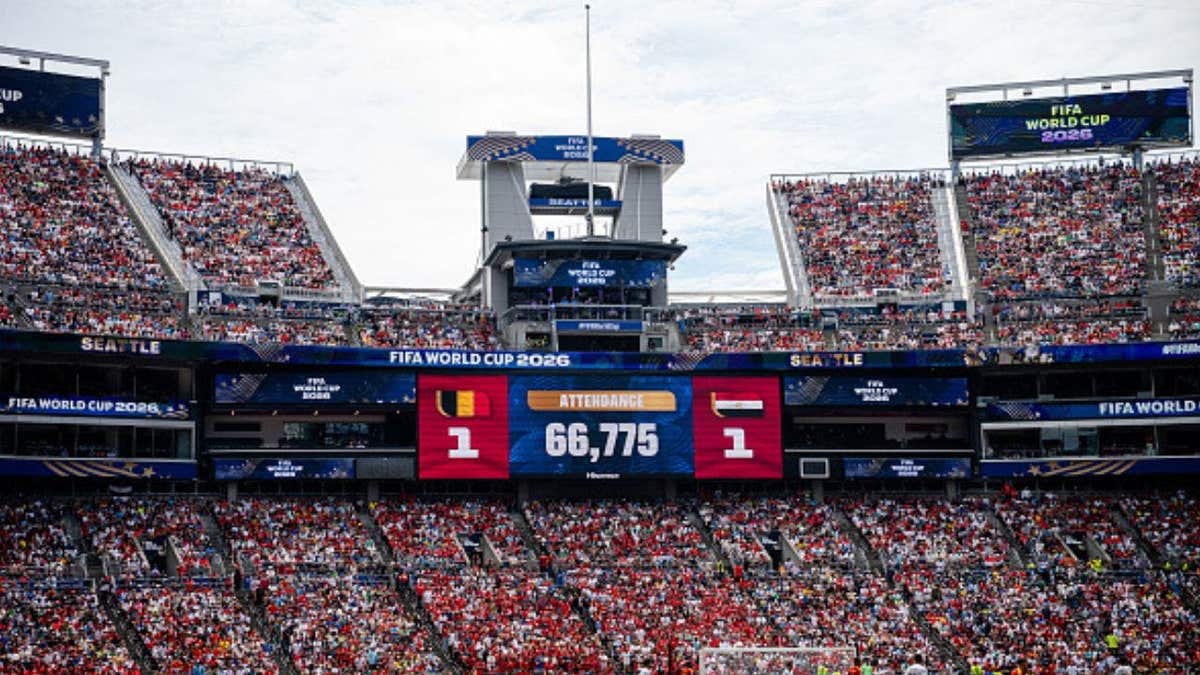
The World Cup debut in Seattle was a significant event at Lumen Field, with 66,775 fans attending the 1-1 draw between Belgium and Egypt. However, outside the gates, Seattle attracted attention for issues unrelated to the game itself.
Protest Zones Raise Concerns
The Seattle Police Department set up designated protest zones around the venue. These zones were meant to confine demonstrators to small, fenced-off areas, which resembled dog parks instead of places for public expression.
Located along Occidental Avenue and South King Street, the zones consisted of plastic cones and orange construction netting. They were surprisingly small, only able to accommodate a few people standing closely together.
Seattle Mayor blames Christian rally for inspiring violent ‘anarchists’ who ‘infiltrated’ counter-protest.
Despite the preparation, the protest zones were largely ignored. Demonstrators moved freely in the surrounding streets, rendering the setup ineffective from the beginning.
Fans React to Empty Enclosures
Fans quickly made jokes about the unused zones. Some Belgium supporters took photos with the fenced sections, treating them as city landmarks. Others shared videos online, questioning the city’s approach to public demonstrations.
Social media users did not hesitate to mock the zones. One user commented, “‘Protest zones’ as if free speech is only designated to certain areas.” This was not the impression Seattle aimed to give as it prepared for international visitors and more World Cup events.
Local Efforts for World Cup Image
For months, local officials have worked to improve Seattle’s image for FIFA’s spotlight. This included clearing homeless encampments near major event areas and promoting the city as an attractive destination capable of hosting large sporting events.
Unfortunately, the protest zones overshadowed these efforts, sparking discussions on free speech and public demonstration. The small enclosures seemed unnecessary, prompting questions like, “If people can protest freely, why make designated areas that feel restrictive?”
Seattle’s approach received mixed feedback as preparations for the world event continue.