Senate Directs Trump to End Iran War or Seek Congressional Approval
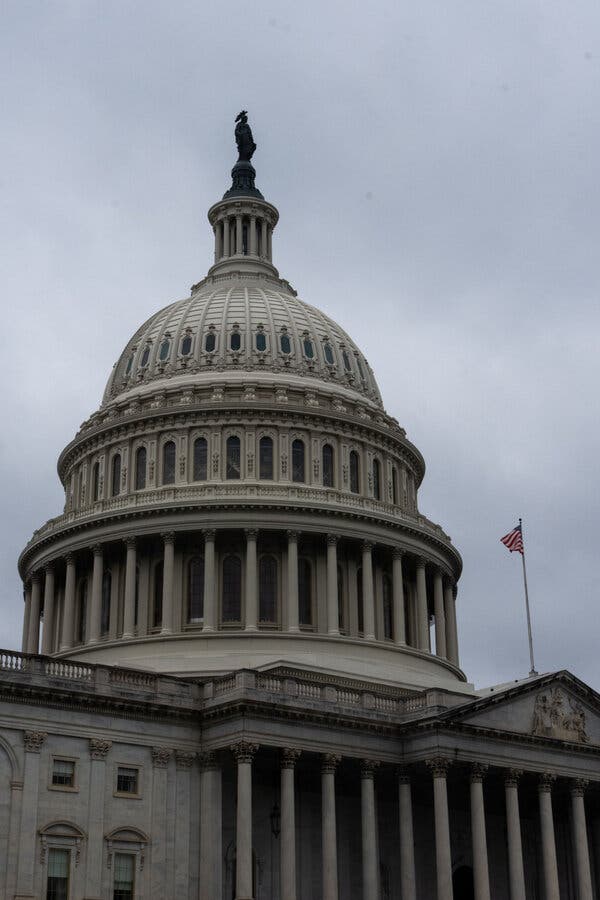
The Senate adopted a resolution on Tuesday directing President Trump to halt military operations in Iran unless Congress approves further action. This unprecedented bipartisan vote reflected a significant pushback against the ongoing conflict led by the Republican-controlled Congress.
The resolution does not have legal force, so it is unlikely to affect policy immediately. However, the 50-48 vote saw four Republicans joining Democrats, indicating a growing unease within the GOP concerning the president’s unilateral decisions on war and national security.
The Senate’s decision came amid Republican skepticism regarding Mr. Trump’s cease-fire agreement with Iran after five months of combat. GOP members are increasingly impatient with the president’s approach, which lacks formal congressional approval.
The tension within the Republican Party is exacerbated by the upcoming midterm elections, where control of Congress is at stake. Polls show that the war has lost public support, prompting some Republicans to question its economic impact, unclear objectives, and potential for broader conflict.
This resolution marks a historic first since the 1973 War Powers Resolution, where both chambers of Congress approved a concurrent resolution to end a military conflict. Earlier this month, the House passed the measure despite attempts by Republican leaders to maintain party unity against it.
In the Senate vote, Senator John Fetterman from Pennsylvania was the only Democrat opposing the resolution. Republicans Rand Paul from Kentucky, Lisa Murkowski from Alaska, Susan Collins from Maine, and Bill Cassidy from Louisiana broke ranks to support it. Their votes, along with the absence of Senator Mitch McConnell, who was hospitalized and usually opposes such measures, enabled this resolution’s success.
The War Powers Resolution originated from a struggle between Congress and President Richard Nixon during the Vietnam War. Congress overrode Nixon’s veto attempting to reclaim decision-making authority on military engagements.