Strategic Challenges in U.S.-Iran Conflict
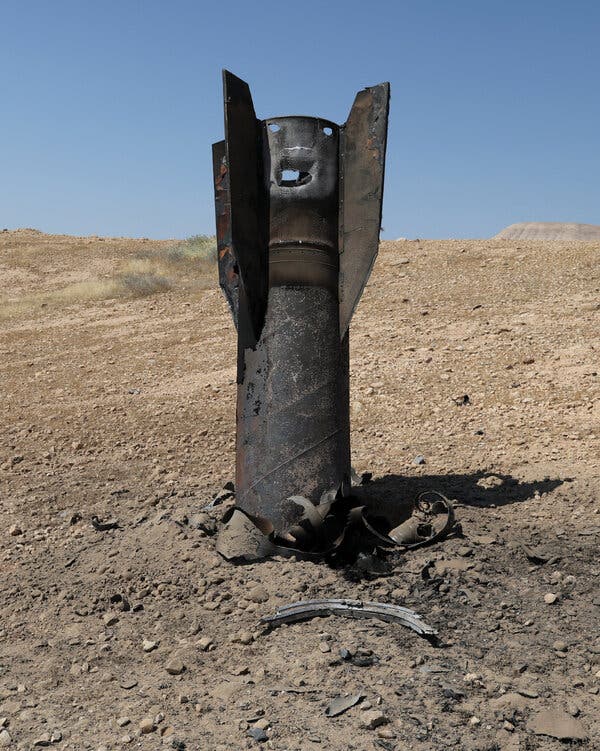
As U.S. warplanes targeted positions in Iran in early March, President Trump announced that a swift victory was nearing. “We’re achieving major strides toward completing our military objective,” he told reporters in Florida. Three months later, despite extensive military efforts, the war’s objectives remain unmet.
After significant expenditures, including $29 billion and the loss of 13 American lives, the Iranian theocratic regime persists. Its military capabilities, particularly in drones and missiles, are intact. How did this strategic setback unfold for the world’s wealthiest nation? The U.S. faced an adversary that only needed to endure, not win. The partnership with Israel provided strategic misalignments. The U.S.’s attempt at peacekeeping involved making more concessions than other parties.
Ultimately, the U.S. did not secure the unconditional surrender President Trump demanded. Instead, the conflict concluded with a fragile truce. This development highlighted vulnerabilities in the U.S. military-industrial complex, raising concerns about future adversarial actions. Iran’s near bomb-grade uranium stockpile remains unresolved, further exposing U.S. national security.
The U.S. military achieved some tactical victories. The Navy’s blockade severely impacted Iran’s economy, leading to a currency collapse. Extensive airstrikes diminished Iran’s conventional military capabilities by decimating much of its air force and navy. Over 13,000 targets were struck, affecting the country’s leadership structure. However, Tehran demonstrated significant resilience.
Despite the losses, U.S. intelligence in May estimated that Iran retained most of its missile arsenal. A new leader, Mojtaba Khamenei, succeeded Ayatollah Ali Khamenei after his death in an attack, maintaining the regime’s control over its 90 million citizens. He is unlikely to be influenced by U.S. and allied interests following the airstrikes that killed his father.