Super El Niño’s Potential Impact on Hantavirus Risk
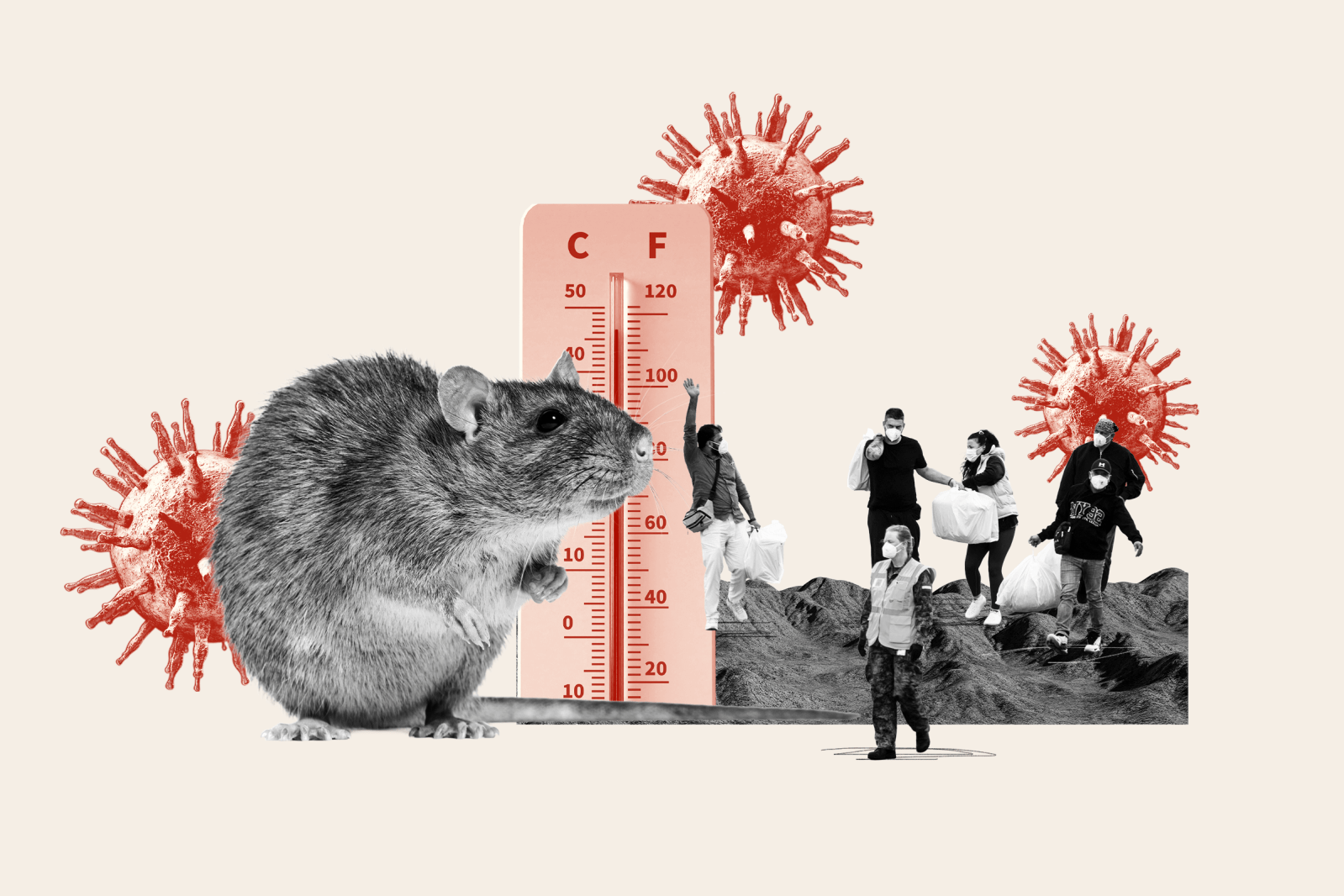
A potential super El Niño in the Pacific could reshape weather patterns and increase the risk of hantavirus infections in certain parts of the United States this summer. Experts suggest it may fuel rodent populations that carry the disease.
The hantavirus outbreak linked to the MV Hondius cruise ship raised public awareness of this rare virus. The infections resulted in several deaths and an international response, including monitoring and quarantine efforts in the U.S. and other countries.
The U.S. Centers for Disease Control and Prevention (CDC) began tracking hantavirus in 1993, during an investigation of a mysterious respiratory illness in the Four Corners region (Arizona, Colorado, New Mexico, Utah). The Sin Nombre strain was identified, not the Andes strain linked to the cruise ship outbreak.
This 1993 outbreak led to hantavirus pulmonary syndrome (HPS) identification and national surveillance. Although NOAA reported 1993 as an ENSO-neutral year, heavy rainfall was documented in parts of the Southwest.
Similar weather could affect the U.S. Southwest deer mice population, which carries hantavirus.
What Is Super El Niño?
A super El Niño refers to an exceptionally strong El Niño event. El Niño involves unusually warm surface waters in the Pacific Ocean. Super El Niño events are rare, with temperatures rising at least 2 degrees Celsius above average for several months. This disrupts wind patterns and atmospheric circulation, increasing global weather effects.
Earlier, NOAA’s Climate Prediction Center forecasted an 82% chance of El Niño events between May and July and a 96% chance of continuation until February 2027 in the northern hemisphere. In the U.S., El Niño impacts include a weaker Atlantic hurricane season and heavier rains during the Southwest’s monsoon season. Rain may increase in the Rockies and Southwest by June.
How Super El Niño Could Increase Hantavirus Cases
Researchers indicate that super El Niño may alter environmental conditions, raising exposure risks. More rain and warmth boost vegetation growth, providing food and shelter for deer mice, the main carriers of Sin Nombre virus in the U.S.
‘There’s a classic idea of a trophic cascade linked to the Four Corners outbreak: more rain leads to more vegetation, more vegetation supports more rodents, and more rodents can increase hantavirus risk,’ Washington State University associate professor Stephanie Seifert explained.
While weather influences deer mouse populations, rainfall alone isn’t solely responsible. Milder winters and extended breeding seasons might contribute to population peaks. El Niño conditions bring increased precipitation and warmer winters, enhancing overwinter survival and breeding conditions.
As rodent populations grow, human contact risks increase, especially in rural or agricultural areas or enclosed spaces, raising infection risks. Similar dynamics linked to the 1993 Four Corners outbreak heightened hantavirus awareness.
Hantavirus Symptoms
The increased U.S. risk would involve the Sin Nombre virus, not the Andes strain tied to the cruise ship outbreak. Sin Nombre spreads to humans through contact with infected rodent urine, droppings, or saliva, typically inhaled in enclosed areas. It is not spread person to person.
Sin Nombre hantavirus is the main cause of hantavirus pulmonary syndrome in North America. Symptoms develop in two phases: an early flu-like phase and a severe respiratory phase.
- Flu-like phase symptoms:
Fever
Fatigue
Muscle aches
Headache
Chills
Gastrointestinal symptoms - Cardiopulmonary phase symptoms (4-10 days after early symptoms):
Cough
Shortness of breath
Chest tightness
Rapid breathing
Worsening fatigue
This phase results from fluid in the lungs, complicating breathing. Severe cases can lead to low blood pressure, irregular heart rate, and respiratory failure. HPS has a fatality rate up to 60%.
What Are Deer Mice?
Deer mice differ from house mice, which don’t carry hantavirus, explained Orkin Entomologist Shannon Sked. Deer mice, also called field mice, can invade homes, especially in winter.
Deer mice get hydration from food, and increased rainfall boosts sheltering vegetation, potentially increasing populations. Coloring helps differentiate them: deer mice are bicolored (gray/brown with white bellies), while house mice are gray or brown.
When cleaning up droppings, care is vital. Droppings may carry hantavirus for up to six days. Sanitize before cleaning, and prevent mice entry. They can fit through holes as small as a dime.
What Happens Next
Despite potential rodent population rises, U.S. hantavirus infections remain rare and preventable with basic precautions. Avoid wild rodent contact, seal home gaps, and use protective measures, such as ventilating spaces and avoiding sweeping droppings without disinfectant, to reduce risk.
Though HPS is uncommon, no year has passed without U.S. cases since its discovery in 1993, cautioned Seifert.