Supreme Court Blocks Nitrogen Gas Execution in Alabama
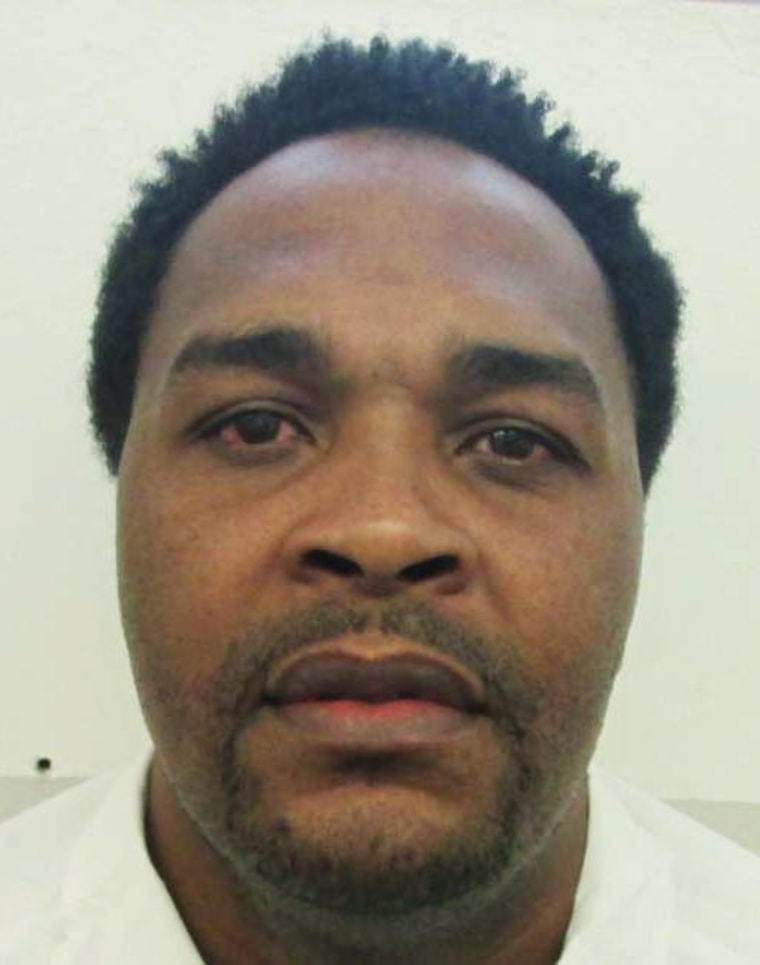
The Supreme Court denied Alabama’s request to execute Jeffery Lee using nitrogen gas. Lower courts blocked the method, citing it violates the constitutional ban on cruel and unusual punishment. Lee’s execution using this method was scheduled for Thursday, but the decision halted the process.
Justices Clarence Thomas, Samuel Alito, and Neil Gorsuch dissented and supported Alabama’s request to overturn the lower courts. Lee, 49, was convicted of a double murder during a 1998 pawnshop robbery. The state may pursue other execution methods, but the timeline is unclear.
Legal Proceedings
Lee’s legal challenge focused on the nitrogen execution method. A federal judge initially found it constitutional on Monday. Lee’s legal team appealed, and the 11th U.S. Circuit Court of Appeals reversed the decision. The appeals court ruled nitrogen executions likely violate the Eighth Amendment and suggested the district court evaluate the feasibility of a firing squad execution.
When both courts ruled in favor of Lee, Alabama sought an emergency order from the Supreme Court. The high court has upheld other execution methods, like lethal injection and electrocution, but nitrogen gas sparked debate as Alabama began using it in 2024. The method involves the condemned inhaling nitrogen through a mask, causing oxygen deprivation. Alabama claims the method is humane, but opponents argue it is torturous.
The American Thoracic Society opposed the method, stating it causes intense suffering. Witnesses of past nitrogen executions described prisoners shaking, struggling, and gasping for air. In one case, it took 30 minutes for death to occur. The Supreme Court did not intervene in that case, but Justice Sonia Sotomayor dissented, stating nitrogen hypoxia falls short of promised humanity.
Background on Jeffery Lee
Lee was convicted in 2000 for the murders of Jimmy Ellis and Elaine Thompson and the attempted murder of Helen King. During a 1998 robbery in Orrville, Alabama, Lee returned to a pawnshop with a shotgun, resulting in the murders. Over 25 years on death row, Lee expressed remorse and found redemption through faith.
“God — he’s not finished,” Lee said in a phone interview. “He’s still working, not only on my behalf, but on the other brothers’ behalf that are still facing this situation.”
Current Efforts and Future Actions
Alabama’s Attorney General Steve Marshall remains determined to carry out the death sentence, stating anything less falls short of justice for the victims. Lee’s legal team requested Alabama Governor Kay Ivey commute his sentence, arguing judicial override was used in his death sentence. This practice was banned in Alabama in 2017, but prior cases like Lee’s were unaffected. The governor indicated readiness to proceed with the execution.